Search

Leave a Message

By providing your contact information to Cisneros Realty Group, your personal information will be processed in accordance with Cisneros Realty Group's Privacy Policy. By checking the box(es) below, you consent to receive communications regarding your real estate inquiries and related marketing and promotional updates in the manner selected by you. For SMS text messages, message frequency varies. Message and data rates may apply. You may opt out of receiving further communications from Cisneros Realty Group at any time. To opt out of receiving SMS text messages, reply STOP to unsubscribe.

Thank you for your message. We will be in touch with you shortly.

Explore Our Properties

Summer Crowds

Default Image

Winter Realities

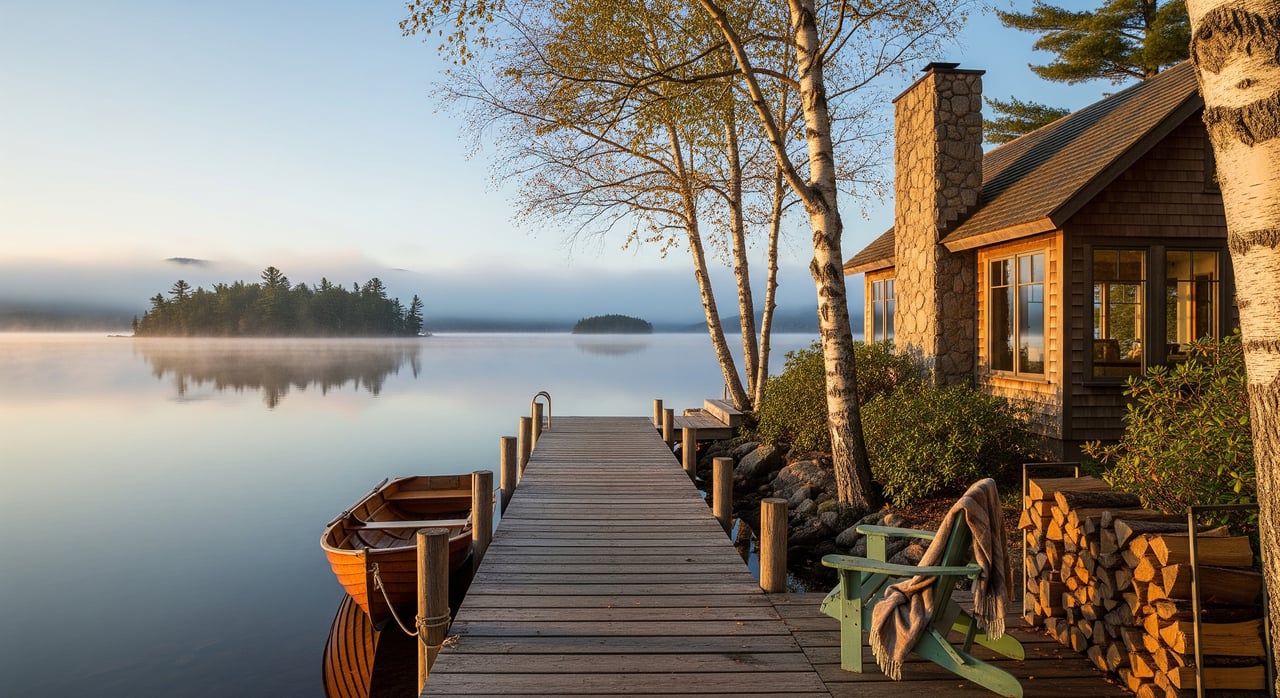
Lake living in the Lakes Region is magical, but there’s a practical side that matters, especially in winter. Some roads and driveways can be steep or narrow, and snow plowing access varies by neighborhood and town — which affects your daily routine and emergency access. Heating systems and insulation levels are critical when converting a seasonal cabin into a comfortable year-round home, and evaluating how well a property handles frozen temperatures — like water lines and pipes — can save you big headaches later. Smart buyers know that cozy lake life means planning for cold months as much as planning for beach days.
Default Image

What Buyers Need to Know About Noise, Boat Traffic, and Rental-Heavy Areas

Summer is what draws many buyers to the Lakes Region. Warm weather, long days, boating, and vibrant waterfront activity are part of the appeal. What is often underestimated, however, is how dramatically summer population shifts affect daily life, enjoyment, and long-term satisfaction with a property.

In many lake and resort communities, summer does not simply bring better weather. It brings crowds.

Homes that feel peaceful and private in the off-season can experience a completely different rhythm during peak summer months. Noise levels rise, boat traffic increases, and short-term rentals change neighborhood dynamics.

This guide outlines the most common summer-related realities buyers often overlook, including noise, congestion on the water, and rental-heavy neighborhoods. The goal is not to discourage summer living, but to help buyers understand how seasonal density affects different locations in very different ways.

Noise Levels

Default Image

When Quiet Is Seasonal, Not Permanent

Noise is one of the most subjective and emotionally charged aspects of homeownership, and one of the hardest to evaluate during a showing.

In summer, noise patterns change. Boat engines, personal watercraft, lakeside gatherings, live music venues, road traffic, and recreational activity all increase. Properties near public access points, marinas, restaurants, or popular coves may experience consistent background noise that is absent during quieter months.

Even inland homes can be affected by increased seasonal traffic, visitors unfamiliar with local roads, and late-night activity in nearby rentals.

Buyers who view properties in spring, fall, or during weekdays often underestimate how sound carries over water and how active certain areas become during peak season.

Understanding seasonal noise patterns is essential for buyers who value peace, privacy, or predictable quiet.

Boat Traffic and Water Congestion

Default Image

The Difference Between Access and Enjoyment

Boat traffic is part of lake life, but volume matters.

During peak summer weekends and holidays, many lakes experience heavy congestion. Popular routes, narrow channels, and high-traffic coves can become crowded with boats, personal watercraft, and tour traffic. This affects everything from swimming safety to dock use and shoreline erosion.

Some waterfront properties sit in naturally calmer areas with limited through-traffic. Others are located in corridors that function like highways once the season is in full swing.

Buyers often focus on having a dock and deep water without considering how traffic patterns affect day-to-day enjoyment. Congestion can limit when and how often a dock is comfortably usable, especially for families with children or paddlecraft.

Knowing where traffic concentrates and how it changes throughout the summer makes a meaningful difference.

Rental-Heavy Neighborhoods

Default Image

How Short-Term Rentals Change Community Dynamics

Short-term rentals have become increasingly common in lake and resort areas. While they provide flexibility and income potential, they also change how neighborhoods function, especially during summer.

Rental-heavy areas may experience higher turnover, larger groups, more frequent gatherings, and less predictability in day-to-day activity. Parking congestion, noise complaints, trash management, and shared access points can all be affected.

Some buyers are comfortable with this dynamic. Others are not.

What surprises many buyers is how unevenly rentals are distributed. One street may be primarily owner-occupied, while a nearby road is dominated by weekly vacation traffic.

Understanding local rental patterns, town regulations, and enforcement practices is critical when evaluating long-term livability.

Seasonal Access Points and Public Use

Default Image

When Popularity Brings Pressure

Public beaches, boat launches, marinas, and waterfront dining create energy and convenience. They also bring crowds.

Properties located near public access points often experience increased foot traffic, parking pressure, and noise during summer months. Roads that feel quiet most of the year may become heavily traveled on weekends and holidays.

These factors do not make a property undesirable, but they do change how it lives seasonally.

Buyers who understand how public use affects their immediate area are better prepared to choose locations that align with their tolerance for activity.

Follow Us On Instagram