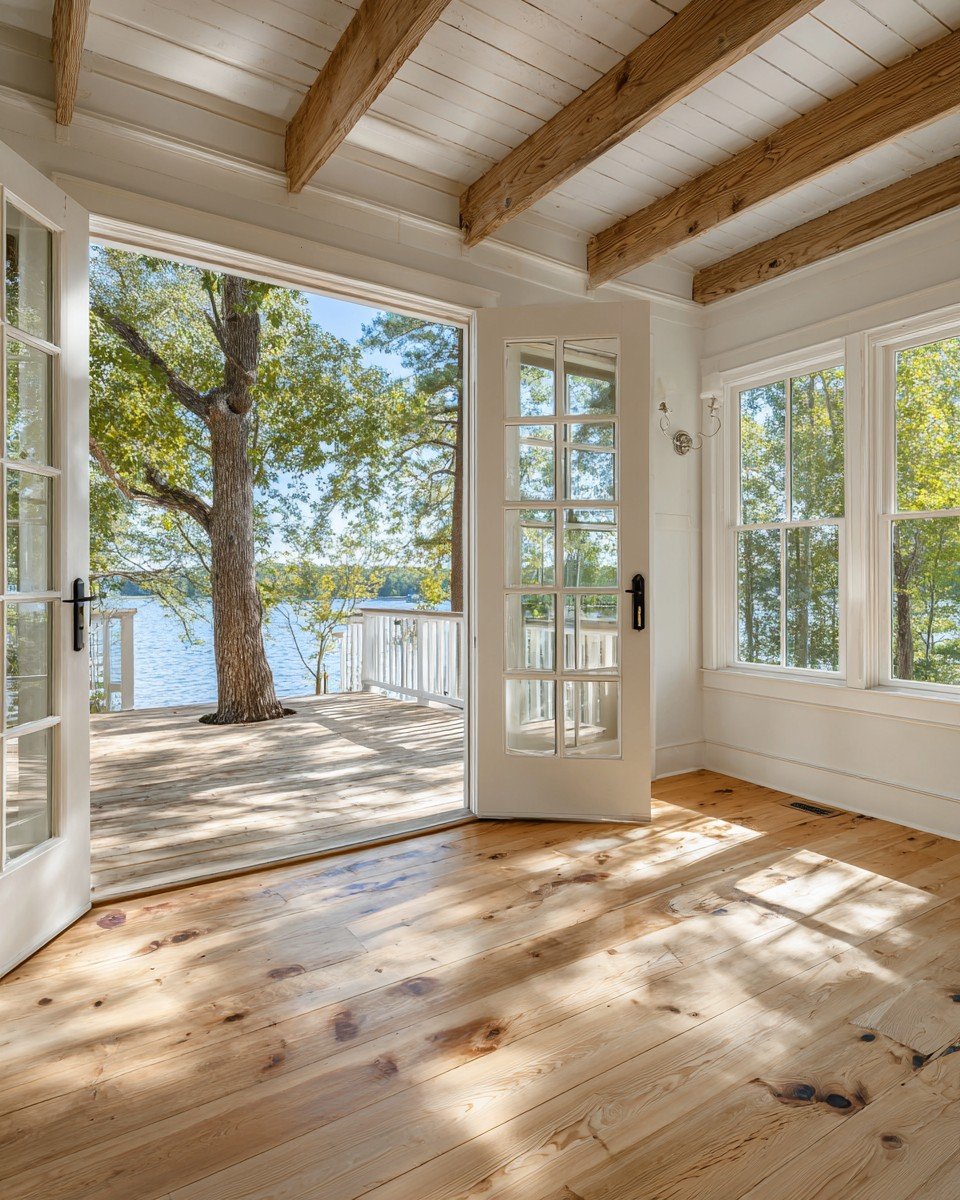
In today’s market, buyers decide how they feel about a home long before they ever step inside it.
Presentation is not about perfection. It is about positioning. Homes that are not properly prepared for the market often receive lower offers, more aggressive inspection requests, and longer days on market, even when they are well-built and well-located.
Unprepared listings do not fail because the home is undesirable. They fail because buyers struggle to see value clearly.
This guide explains why preparation matters and how poor presentation quietly erodes leverage

For most buyers, the first showing happens on a screen.
Photos, video, and listing descriptions shape expectations before a buyer ever schedules a visit. When a home looks cluttered, dated, dark, or unfinished online, buyers assume more issues than actually exist.
Once that perception is set, it is difficult to reverse.
Homes that do not photograph well are often skipped entirely, regardless of their true potential.
Strong presentation creates curiosity. Weak presentation creates doubt.
Buyers interpret presentation as a signal.
Minor cosmetic issues, deferred maintenance, or unfinished projects often lead buyers to assume deeper problems. Even when inspections reveal no major defects, those early impressions influence negotiation behavior.
Buyers who feel uncertain tend to protect themselves with lower offers, larger contingencies, and firmer repair demands.
What feels minor to a seller often feels risky to a buyer.
Preparation reduces perceived risk.
When inventory is low, buyers are more forgiving. When inventory rises, presentation becomes a differentiator.
In competitive environments, buyers compare homes quickly and emotionally. Well-prepared listings stand out. Unprepared ones blend into the background or fall to the bottom of the list.
Even in strong markets, poor presentation can cost a seller time and money.
Preparation is leverage, especially when buyers have choices.
Many sellers assume they can test the market and improve presentation later if needed.
In reality, the initial launch window is the most valuable. Homes that make improvements or staging changes after sitting on the market often struggle to regain momentum.
Buyers notice time on market and price adjustments. Late improvements rarely reset perception.
Preparing properly before listing protects the launch window and avoids reactive decisions.
Preparation does not mean over-renovating.
Effective preparation focuses on clarity, cleanliness, light, and flow. It highlights strengths and minimizes distractions without unnecessary expense.
Sellers who approach preparation strategically achieve better results than those who guess or overinvest in the wrong areas.
Knowing what to address, and what to leave alone, is part of effective representation.
Prepared listings tend to sell faster, closer to asking price, and with fewer concessions.
They create confidence. Confidence attracts stronger buyers.
If this guide highlights areas you had not fully considered, that awareness is valuable.
Preparation is not about impressing buyers. It is about making it easy for them to say yes.
Every home requires a different preparation strategy. Property type, location, target buyer, and market conditions all matter.
Sellers who prepare with intention maintain control. Those who skip steps often find themselves reacting under pressure.
If you are considering selling and want clarity on how to prepare your home to attract strong offers, those conversations should happen before you list.
In real estate, preparation is not optional. It is strategic