Search

Leave a Message

By providing your contact information to Cisneros Realty Group, your personal information will be processed in accordance with Cisneros Realty Group's Privacy Policy. By checking the box(es) below, you consent to receive communications regarding your real estate inquiries and related marketing and promotional updates in the manner selected by you. For SMS text messages, message frequency varies. Message and data rates may apply. You may opt out of receiving further communications from Cisneros Realty Group at any time. To opt out of receiving SMS text messages, reply STOP to unsubscribe.

Thank you for your message. We will be in touch with you shortly.

Explore Our Properties
You’re

Under Contract in New Hampshire Now What?

Congratulations. Your offer has been accepted and you are officially under contract on your new home in the New Hampshire Lakes Region.

✦ CISNEROS REAL ESTATE EXPERT ✦

In New Hampshire, we typically say “under agreement” or “under contract,” not “in escrow.” Closings are attorney-driven here, and once the Purchase and Sale Agreement is signed, the real work begins.

The period between contract and closing is where transactions either move smoothly or develop friction. The difference is preparation, timing, and guidance.

Here is what happens next:

Shortly after mutual acceptance, you will provide an earnest money deposit. In New Hampshire, this deposit is typically held in a broker’s trust account or by a closing attorney.

This check will be deposited. If the transaction closes successfully, it is applied toward your purchase price. If the contract is terminated within contingency timelines, the deposit is generally returned to you.

However, if you default outside of contingency protections, the seller may be entitled to retain the deposit as liquidated damages. This is why contract timelines matter. We monitor these dates carefully to protect you.

Most New Hampshire contracts run 30 to 45 days, but waterfront or more complex transactions in towns like Meredith, Moultonborough, or Wolfeboro may extend longer.

Key dates typically include:

• Inspection deadline
• Financing commitment deadline
• Appraisal completion
• Title review period
• Closing date

Missing deadlines can create risk. We track these milestones proactively so nothing is left to chance.

Your inspection period typically begins immediately after contract execution.
This is your opportunity to:

• Conduct a general home inspection
• Evaluate septic systems
• Review well water results
• Inspect waterfront features such as docks and shoreland compliance

In the Lakes Region, septic systems and waterfront permitting require special attention. We often identify potential red flags early so there are no last-minute renegotiations or surprises.

If inspection findings are unacceptable, you may negotiate repairs, request credits, or terminate the contract within the contingency period.

Once under contract, your lender moves from pre-approval to full underwriting.

You must:

• Submit updated financial documentation
• Lock your interest rate
• Complete appraisal
• Secure final loan commitment

If financing cannot be secured within the agreed timeframe, you must either request a written extension or decide whether to remove the contingency. Removing it means you proceed at risk.

We stay in close contact with lenders to ensure underwriting moves efficiently and issues are addressed early, not three days before closing.

In New Hampshire, closings are handled by attorneys who conduct a title search to confirm the seller can transfer clear and marketable title.

Title review examines:
• Easements
• Liens
• Boundary issues
• Access rights
• Waterfront usage rights

This is particularly important for Lake Winnipesaukee and Squam Lake properties where dock rights, shared driveways, and deeded access must be clearly documented.

We review title matters carefully and escalate issues immediately if needed.

You will need to secure homeowner’s insurance prior to closing. Lenders require proof of insurance before issuing final approval.

For waterfront homes, insurance can require additional underwriting due to:
• Proximity to water
• Replacement cost considerations
• Seasonal occupancy

It is wise to apply early. Delays in insurance approval can delay closing.

Your lender will order an appraisal to confirm the property supports the contract price.

If the appraisal comes in at or above value, the transaction proceeds smoothly.

If it comes in below value, options may include:
• Renegotiation
• Additional down payment
• Reconsideration of value

We prepare proactively for appraisal by providing comparables and supporting documentation when necessary.

Prior to closing, you should:
• Contact electric providers
• Arrange fuel or propane delivery
• Schedule internet installation
• Confirm municipal or private water status

In rural Lakes Region towns, services can vary. Planning ahead ensures you walk into a fully operational home on day one.

Shortly before closing, you will conduct a final walk-through.

This is not a second inspection. It confirms:
• Agreed repairs were completed
• Appliances and fixtures remain
• Property condition has not changed

If anything differs from contract expectations, it must be addressed before signing.

At least three business days before closing, you will receive your Closing Disclosure outlining:
• Final loan terms
• Transfer tax allocation
• Escrow funding
• Cash to close

The closing attorney also prepares the settlement statement.

We review these documents line by line before funds are wired. Most closing stress occurs when buyers see numbers they do not expect. Our process prevents that.

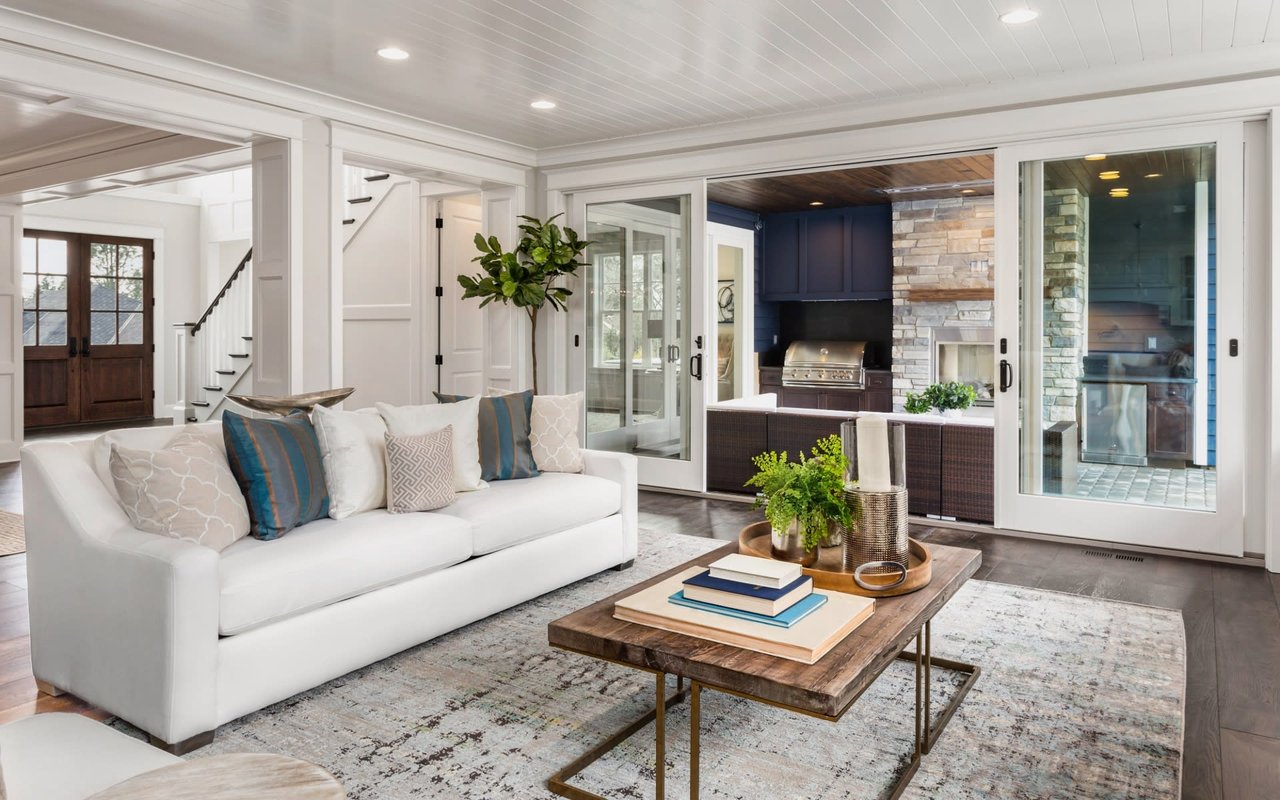
A white living room with a couch, coffee table, and large sliding doors that open to an outdoor kitchen and patio.

Why Experience Matters During This Phase

The period between contract and closing is where transactions can derail.

Inspection surprises. Septic complications. Appraisal gaps. Title issues. Insurance delays. Financing hiccups.

With deep experience in the New Hampshire Lakes Region, we anticipate these issues early. We review contracts carefully, monitor deadlines, coordinate with attorneys and lenders, and surface potential friction points before they become closing delays.

Our goal is simple: no surprises, no scrambling, no last-minute drama.

 A large, bright, modern kitchen with a wood beam ceiling, a large island with seating, and light wood cabinetry.

You Made It

Once documents are signed and funds are confirmed, the deed records and ownership transfers. You receive the keys and begin the next chapter.

Being under contract is exciting. Navigating the path to closing correctly is what makes it successful.

If you are buying in Laconia, Meredith, Gilford, Moultonborough, Alton, Wolfeboro, or anywhere in the Lakes Region, proper guidance during this phase protects your time, your money, and your peace of mind.

Q&A

You’re Under Contract in New Hampshire. Now What?

Offer Accepted. What Happens in the First 72 Hours?

In New Hampshire, “under contract” means both parties have signed the Purchase and Sale
Agreement and agreed to terms. Unlike some states, we do not typically say “in escrow.” The
agreement outlines deadlines, contingencies, and the closing date. From this moment forward,
timelines matter. Inspections, financing, and title review all begin according to the contract
schedule. The period between contract and closing is where strong oversight prevents surprises.

Earnest money is typically due within a few days of mutual acceptance. It is usually held in a
broker’s trust account or by the closing attorney. This deposit demonstrates good faith and is
applied toward your purchase at closing.

Yes, if you default outside contingency protections. However, if you terminate within inspection
or financing contingency periods, your deposit is typically returned. This is why deadline
management is critical.

Most transactions run 30 to 45 days. Waterfront or more complex properties in towns like
Moultonborough or Meredith may take longer due to septic, permitting, or title review.

Do not make large purchases, change jobs, open new credit accounts, or move large sums of
money without consulting your lender. Underwriting continues until closing.

The Inspection Window: Your Biggest Leverage Point

Immediately. Inspection deadlines in New Hampshire are strict. Delays can reduce your
negotiating leverage.

General home inspection, septic inspection, water testing, radon, and for waterfront homes, dock
and shoreland compliance reviews.

You can negotiate repairs, request credits, or terminate the contract within the inspection
contingency period.

Yes, especially in lakefront areas. Septic age, compliance, and design matter. Early review
prevents last-minute stress.

Yes, if material defects are discovered and addressed within contingency timelines.Most transactions run 30 to 45 days. Waterfront or more complex properties in towns like
Moultonborough or Meredith may take longer due to septic, permitting, or title review.

Financing: From Pre-Approval to Final Commitment

Your lender moves from pre-approval to full underwriting. Documentation is verified in detail.

It protects you if you cannot secure a mortgage within the agreed timeframe.

This is formal lender approval, often required before removing financing contingency.

Yes. Income changes, credit shifts, or appraisal issues can affect approval.

Rate lock timing depends on market conditions and closing timeline. Strategic discussion with
your lender is essential.

The Appraisal: What If It Doesn’t Match the Price?

The lender requires confirmation that the property supports the agreed purchase price.

Options include renegotiation, increasing down payment, or contesting value.

Yes. Comparable sales for Lake Winnipesaukee or Squam Lake properties can be limited.

Yes, through a reconsideration of value with supporting comparables.

It confirms value but does not reduce the purchase price.

Title, Easements, and Legal Review

A review of public records to confirm ownership and uncover liens or encumbrances.

Title that can legally and cleanly transfer without unresolved claims.

Yes. Dock rights, shared access, and utility easements are common.

It must be resolved before closing.
25. Who reviews the title report?
The closing attorney prepares it, and we review it carefully with you.

The closing attorney prepares it, and we review it carefully with you.

Insurance and Risk Protection

Immediately after contract acceptance. Lenders require proof before closing.

It can be, due to valuation and proximity to water.

Closing may be delayed. Early application prevents this.

Depends on FEMA flood zone designation.

Lender’s policy is required. Owner’s policy is strongly recommended.

Deadlines That Can Make or Break Your Deal

You may lose contractual protections.

Yes, but only with written agreement from both parties.

Inspection response deadlines.
34. Who tracks contract timelines?

Your agent should track every milestone carefully.
35. Why do some closings get delayed?
Inspection disputes, financing delays, appraisal gaps, or title issues.

Your agent should track every milestone carefully.

Inspection disputes, financing delays, appraisal gaps, or title issues.

Preparing for Closing Day

At least three business days before closing.

Interest rate, cash to close, transfer tax, escrow amounts.

Wire transfer after verbal confirmation of instructions.

It is a known risk. Always verify instructions by phone.

Typically within 24 hours before closing.

The Final Walk-Through: What You’re Really Checking

To confirm agreed repairs and property condition.

Only if contractual conditions were not met.

This must be resolved before signing.
44. Should utilities be on during walk-through?
Yes, so systems can be confirmed operational.
45. What if damage occurred after contract?
Seller is typically responsible to restore condition.

Yes, so systems can be confirmed operational.

Seller is typically responsible to restore condition.

Closing Day and Beyond

Typically 60 to 90 minutes

Buyer, seller, and the closing attorney.

When documents are signed and recorded.

Usually immediately after recording confirmation.

Assuming everything will “just happen.” Active oversight prevents delays and protects your
position.

✅ TOP 10 TO FEATURE DIRECTLY ON THE PAGE

These are the strongest for search, engagement, and conversion:

In New Hampshire, “under contract” means both parties have signed the Purchase and Sale
Agreement and agreed to terms. Unlike some states, we do not typically say “in escrow.” The
agreement outlines deadlines, contingencies, and the closing date. From this moment forward,
timelines matter. Inspections, financing, and title review all begin according to the contract
schedule. The period between contract and closing is where strong oversight prevents surprises.

Earnest money is typically due within a few days of mutual acceptance. It is usually held in a
broker’s trust account or by the closing attorney. This deposit demonstrates good faith and is
applied toward your purchase at closing.

Immediately. Inspection deadlines in New Hampshire are strict. Delays can reduce your
negotiating leverage.

General home inspection, septic inspection, water testing, radon, and for waterfront homes, dock
and shoreland compliance reviews.

It protects you if you cannot secure a mortgage within the agreed timeframe.

Options include renegotiation, increasing down payment, or contesting value.

A review of public records to confirm ownership and uncover liens or encumbrances.

At least three business days before closing.

Assuming everything will “just happen.” Active oversight prevents delays and protects your
position.

These move the reader from acceptance → inspection → financing → legal → closing →
protection mindset.

Follow Us On Instagram
