Search

Leave a Message

By providing your contact information to Cisneros Realty Group, your personal information will be processed in accordance with Cisneros Realty Group's Privacy Policy. By checking the box(es) below, you consent to receive communications regarding your real estate inquiries and related marketing and promotional updates in the manner selected by you. For SMS text messages, message frequency varies. Message and data rates may apply. You may opt out of receiving further communications from Cisneros Realty Group at any time. To opt out of receiving SMS text messages, reply STOP to unsubscribe.

Thank you for your message. We will be in touch with you shortly.

Explore Our Properties

Waterfront Pitfalls

Default Image

Winter Realities

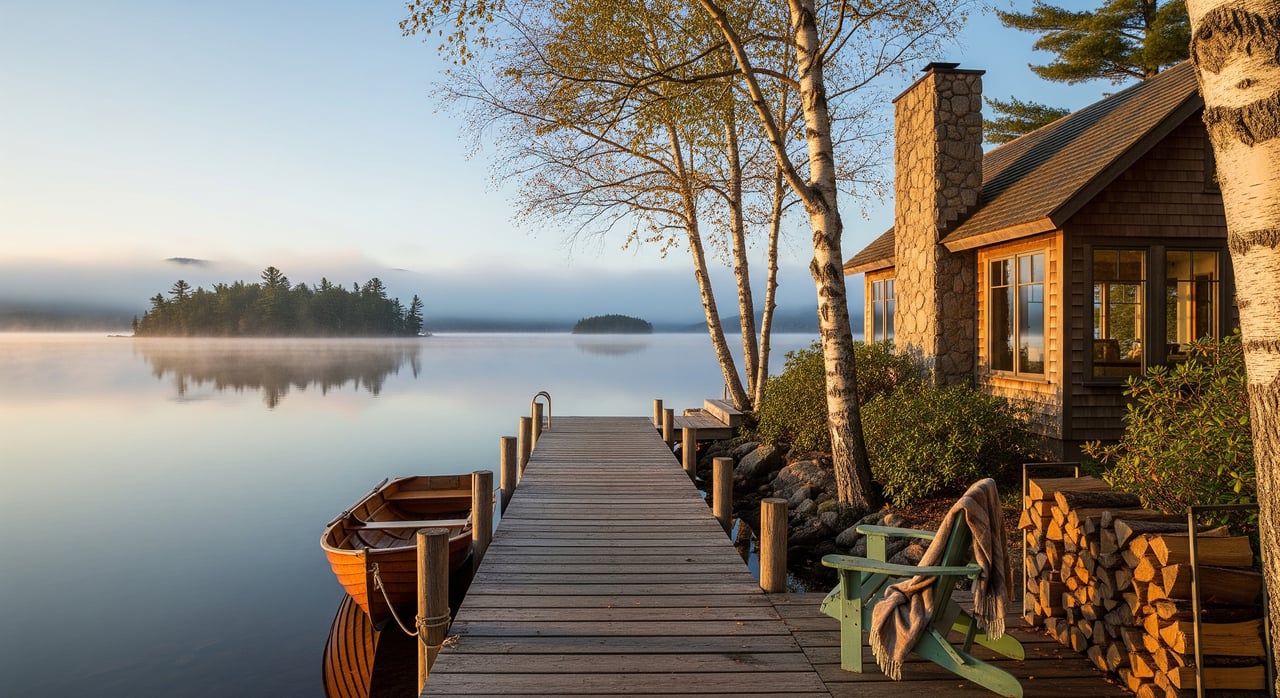
Lake living in the Lakes Region is magical, but there’s a practical side that matters, especially in winter. Some roads and driveways can be steep or narrow, and snow plowing access varies by neighborhood and town — which affects your daily routine and emergency access. Heating systems and insulation levels are critical when converting a seasonal cabin into a comfortable year-round home, and evaluating how well a property handles frozen temperatures — like water lines and pipes — can save you big headaches later. Smart buyers know that cozy lake life means planning for cold months as much as planning for beach days.
Default Image

What Buyers Need to Know Before Purchasing a Waterfront Home

Buying a waterfront property is one of the most desirable real estate goals in the New Hampshire Lakes Region. It is also one of the most complex types of real estate transactions.

Waterfront homes are governed by environmental regulations, shoreline protection rules, water quality conditions, and property-specific limitations that do not apply to inland homes. Many buyers assume that if a waterfront property is listed for sale, everything about it must already be approved, compliant, and transferable.
That assumption often leads to costly surprises.

This guide outlines the most common waterfront buying pitfalls, including shoreline setbacks, dock permitting, fluctuating water levels, water quality concerns, and other hidden constraints buyers frequently overlook. The goal is not to overwhelm you, but to help you understand why waterfront real estate requires a higher level of due diligence and experienced guidance.

Shoreline Setbacks

Default Image

How Shoreland Protection Rules Affect Waterfront Homes

Shoreline setbacks regulate how close structures can be built or modified near the water. In the Lakes Region, waterfront properties are subject to shoreland protection rules that control expansion, rebuilding, vegetation removal, and land alteration.

Many waterfront homes were built before current setback regulations existed. These homes may be legal but nonconforming. That distinction is critical.

A nonconforming waterfront home can usually remain as-is, but renovations, additions, or rebuilding after damage may be restricted or prohibited. Even small changes can trigger compliance requirements that significantly affect cost, timeline, or feasibility.

Buyers often assume that because a structure already exists, future improvements will be straightforward. In waterfront real estate, what is allowed today does not always reflect what will be allowed tomorrow.
Understanding shoreline setback limitations before purchase protects both usability and long-term property value.

Dock Permitting

Default Image

Does a Waterfront Property Automatically Include Dock Rights?

A dock is one of the most sought-after features of a waterfront home, yet it is also one of the most misunderstood.
The presence of a dock does not always mean it is fully permitted, transferable, or modifiable. Dock regulations depend on shoreline frontage, water depth, lake classification, and environmental impact rules. Some docks are seasonal, some are grandfathered, and others require reapproval if replaced or altered.

Buyers frequently assume that docks can be expanded, upgraded, or reconfigured without issue. In reality, changing a dock often triggers a new permitting process, and approval is not guaranteed.

Confirming dock legality and future flexibility early in the buying process is essential, especially for buyers who plan to boat or install lifts.

Fluctuating Water Levels

Default Image

Why Waterfront Conditions Change Throughout the Year

Water levels on lakes and rivers fluctuate due to seasonal drawdowns, dam controls, drought conditions, runoff, and long-term environmental patterns.

A waterfront property that looks perfect during a summer showing may function very differently in spring, fall, or during low-water periods. Docks may sit too high or too low. Shorelines may erode. Swimming and boating access can change significantly.

These fluctuations affect more than aesthetics. They influence dock usability, shoreline stabilization requirements, maintenance costs, and long-term enjoyment of the property.

Buyers who understand historical water level patterns are better equipped to evaluate how a waterfront property will perform year-round.

Water Quality and Seasonal Conditions

Default Image

How Cyanobacteria, Milfoil, and Algae Can Affect Waterfront Living

Water quality is one of the most overlooked aspects of buying a waterfront home, yet it can have a direct impact on how and when a property can be enjoyed.

Water quality issues such as cyanobacteria blooms, algae growth, and invasive aquatic plants like milfoil do not affect every part of a lake equally. These conditions are often highly localized and seasonal. One shoreline or cove may experience recurring issues, while another area of the same lake remains largely unaffected.

Cyanobacteria, sometimes referred to as blue-green algae, can produce toxins that are harmful to people and animals. When present, swimming, wading, and shoreline contact may be discouraged or restricted. These blooms are more likely to occur during warm temperatures and in areas with limited water circulation, shallow depths, or higher nutrient levels.

Milfoil and other aquatic vegetation can also impact swimming, boating access, and long-term maintenance. While some growth is manageable, heavier infestations can affect water clarity, shoreline usability, and even property perception over time.

What makes water quality particularly challenging for buyers is that these conditions may not be visible during a showing. A calm, clear day does not necessarily reflect mid-summer conditions or patterns that repeat year after year.

Understanding historical water quality trends, typical bloom locations, and how specific coves behave seasonally is critical when evaluating a waterfront property.

Septic Systems on Waterfront Properties

Default Image

Why Septic Design Matters More Near the Water

Septic systems on waterfront homes are subject to stricter regulations than inland systems. Many older waterfront properties have systems that are undersized by today’s standards or located closer to the water than current rules allow.

While a septic system may be functioning at the time of purchase, it may limit future renovations, additional bedrooms, or rebuilding. Replacing or upgrading a septic system near water can be complex, expensive, and sometimes constrained by lot size or soil conditions.

Septic limitations are one of the most common issues that impact long-term flexibility and resale value in waterfront real estate.

Knowing what a septic system allows now and in the future is a critical part of waterfront due diligence.

Environmental and Regulatory Oversight

Default Image

Why Waterfront Properties Face More Layers of Approval

Waterfront homes are often subject to oversight from multiple authorities. These may include local zoning boards, state environmental agencies, lake associations, and, in some cases, federal regulations.

Approval from one authority does not automatically mean approval from another. Regulations change over time, and interpretations can vary. What was approved years ago may not meet current standards.

These regulatory layers are rarely visible during a showing. They typically emerge during inspections, permitting, or when an owner attempts to make changes after purchase.

Experienced guidance helps buyers navigate these layers before they become costly obstacles.

Follow Us On Instagram