The Difference Between Selling a Lakefront Home vs a Non-Waterfront Home in the New Hampshire Lakes Region
The New Hampshire Lakes Region includes Lake Winnipesaukee, Lake Squam, and Lake Winnisquam. Lake Winnipesaukee includes Gilford, Laconia, Meredith, Center Harbor, Moultonborough, Tuftonborough, Wolfeboro, and Alton. Lake Squam includes Moultonborough, Sandwich, Holderness, Ashland, Meredith, and Center Harbor. Lake Winnisquam includes Laconia, Belmont, Tilton, and Sanbornton.
Selling a lakefront home differs materially from selling a non-waterfront property in this region. The regulatory environment, pricing methodology, buyer behavior, and transaction management requirements are substantially more complex for waterfront properties.
1. Regulatory Complexity
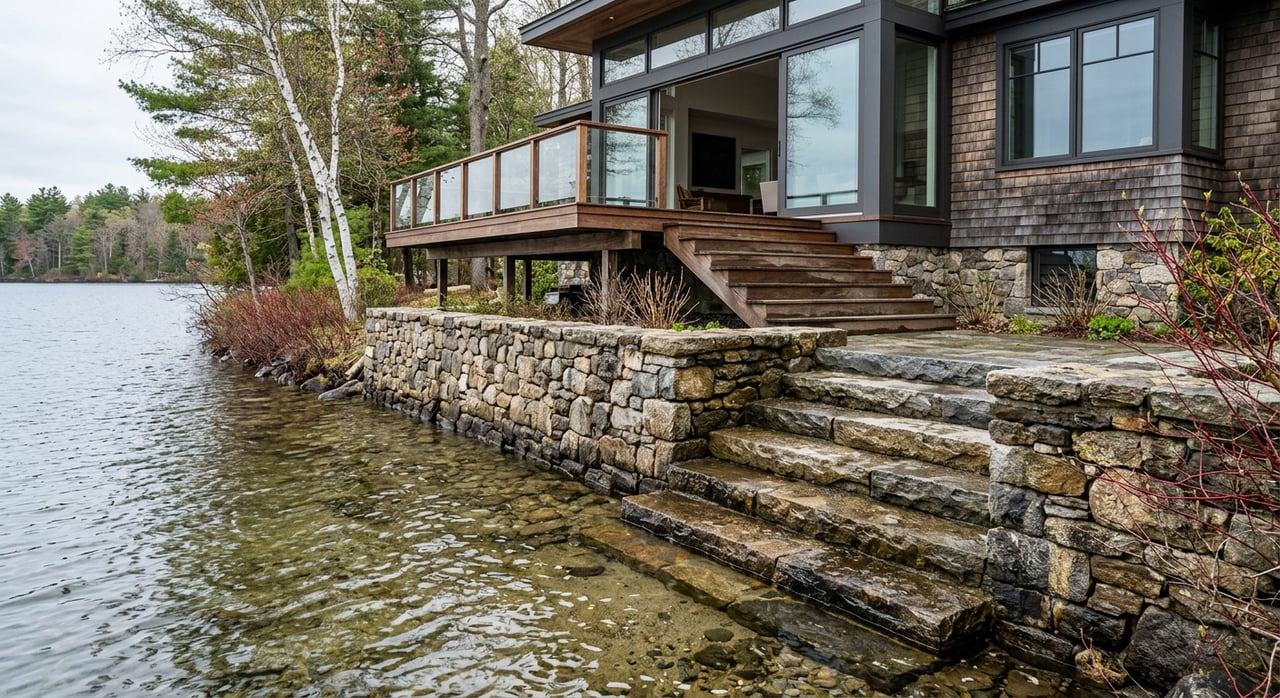
Lakefront homes must comply with New Hampshire shoreland protection standards, dock permitting regulations, and environmental guidelines. These rules govern setbacks, vegetation buffers, shoreline alterations, and structural limitations. Non-waterfront homes typically do not involve these additional regulatory layers.
2. Valuation Variables
Water depth, shoreline frontage width, privacy, exposure orientation, bottom composition, and dock capacity significantly affect lakefront pricing. Non-waterfront homes rely more heavily on square footage, interior condition, lot size, and neighborhood comparable sales.
3. Inspection Scope
Lakefront transactions often include septic system evaluation, dock inspections, shoreline stabilization review, and water quality considerations. Non-waterfront inspections are generally more straightforward and limited to structural and mechanical components.
4. Buyer Profile Differences
Lakefront buyers frequently relocate from out of state or purchase second homes for seasonal use. Non-waterfront buyers are often local primary residents with different financing and occupancy considerations.
5. Seasonal Demand Patterns
Lakefront inventory and buyer activity often peak during spring and summer months. Timing a lakefront listing can materially impact exposure and negotiation leverage. Non-waterfront homes typically experience more consistent year-round demand.
6. Marketing Presentation Requirements
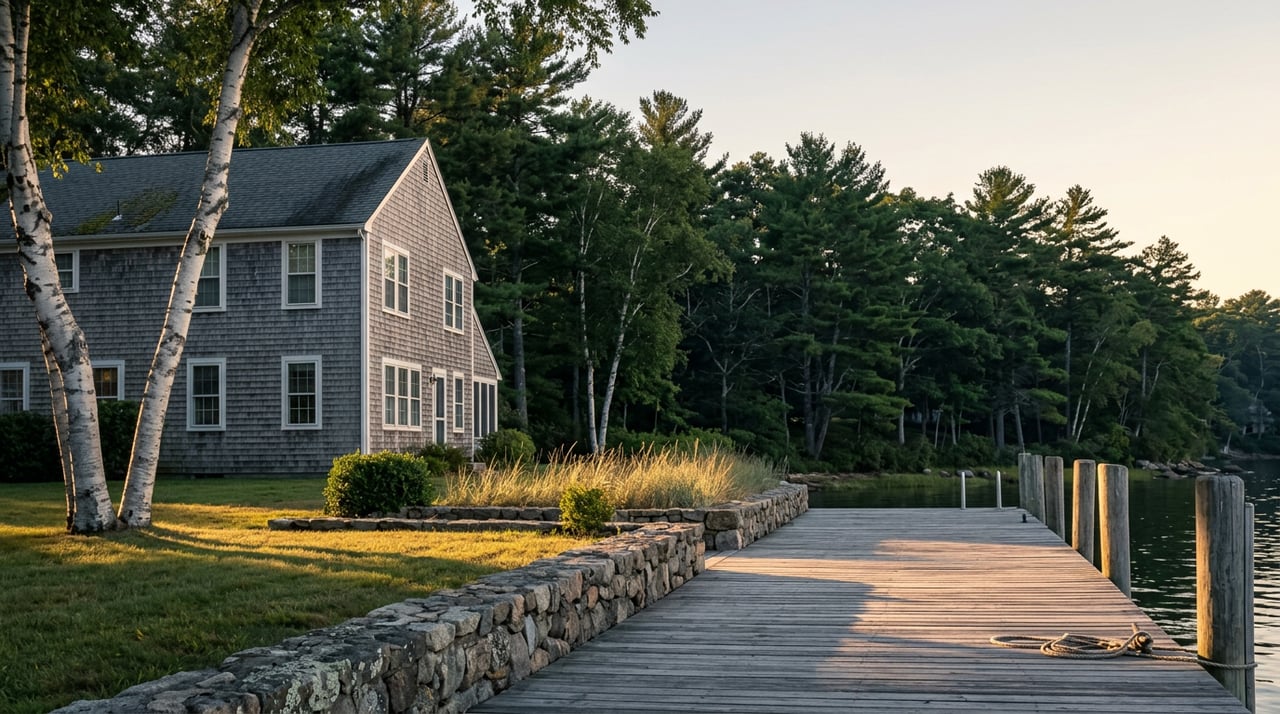
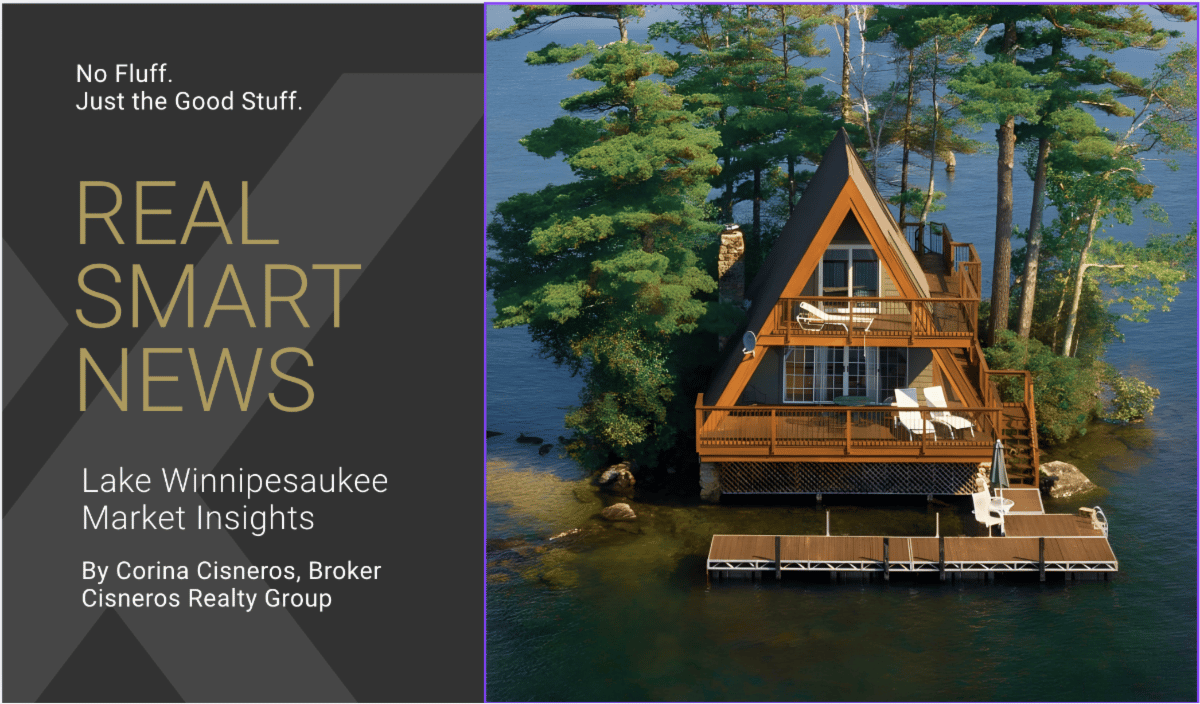
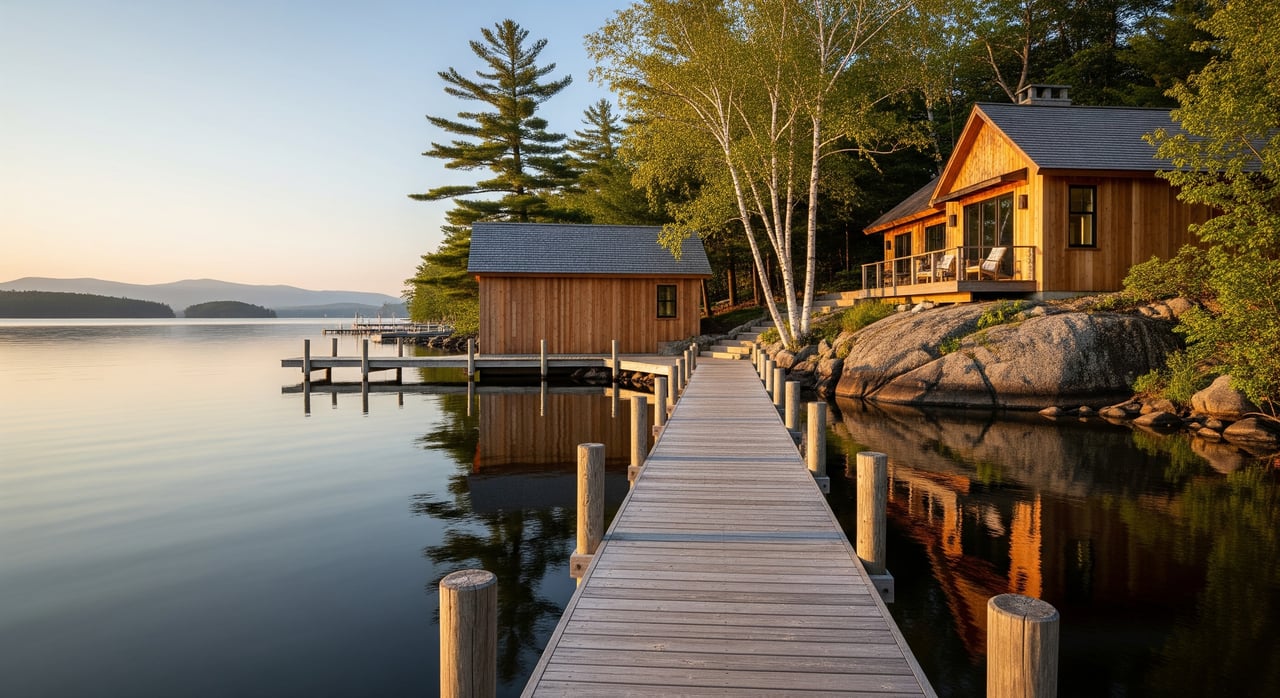
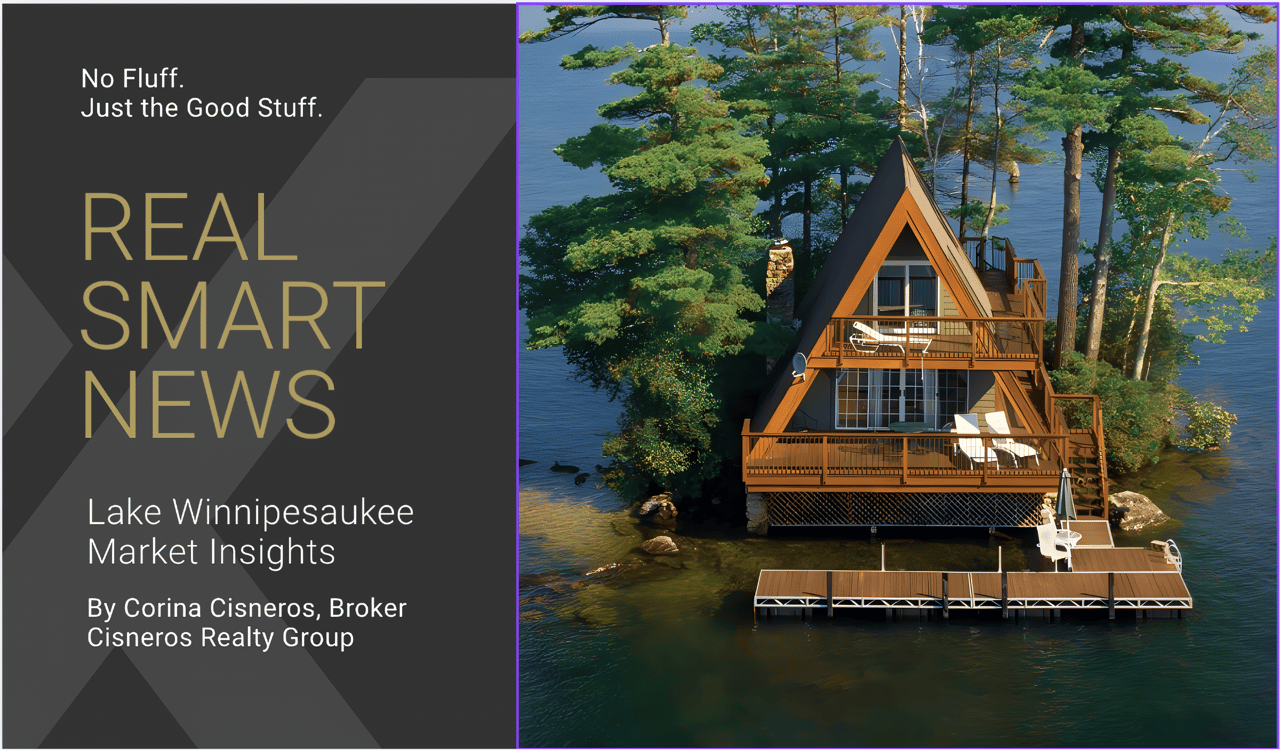
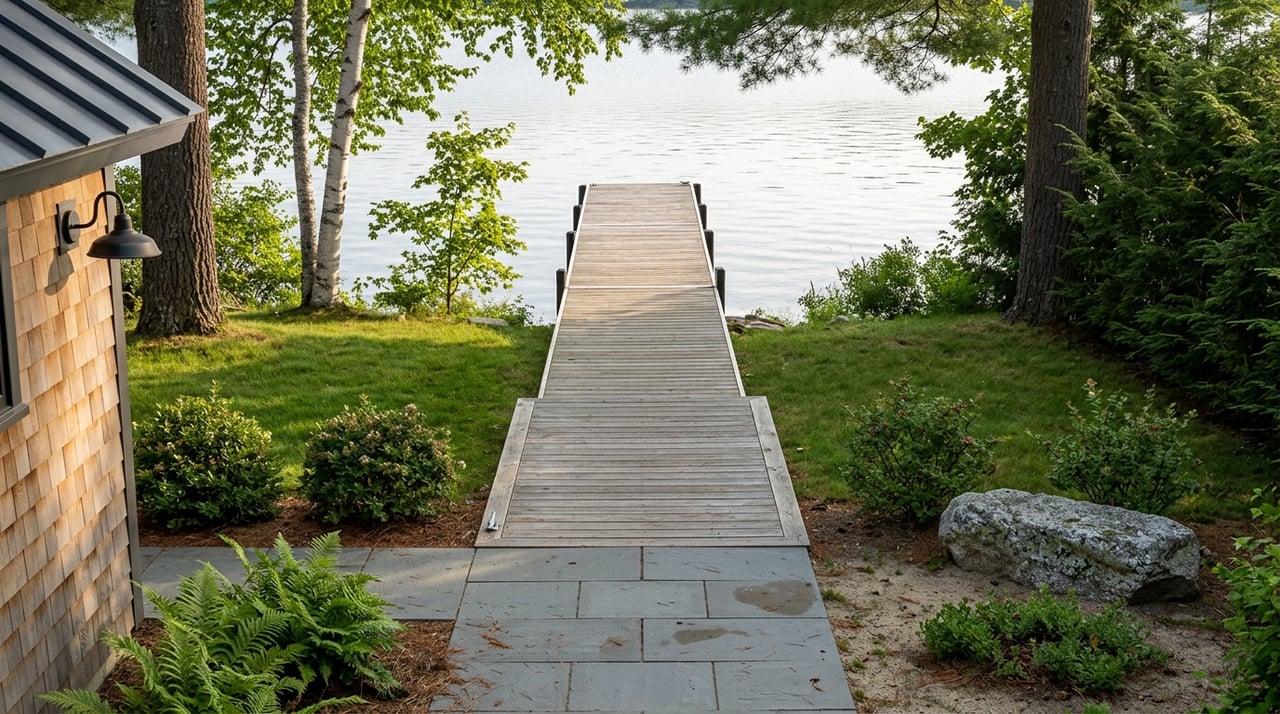
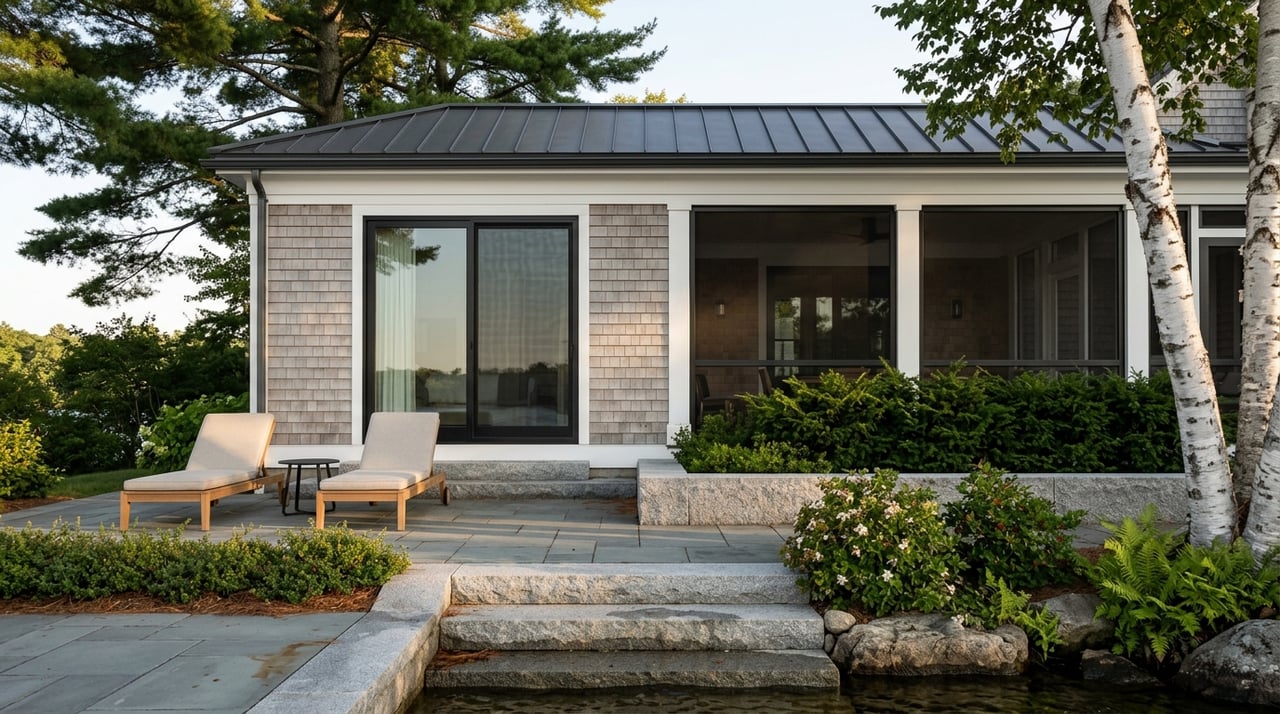
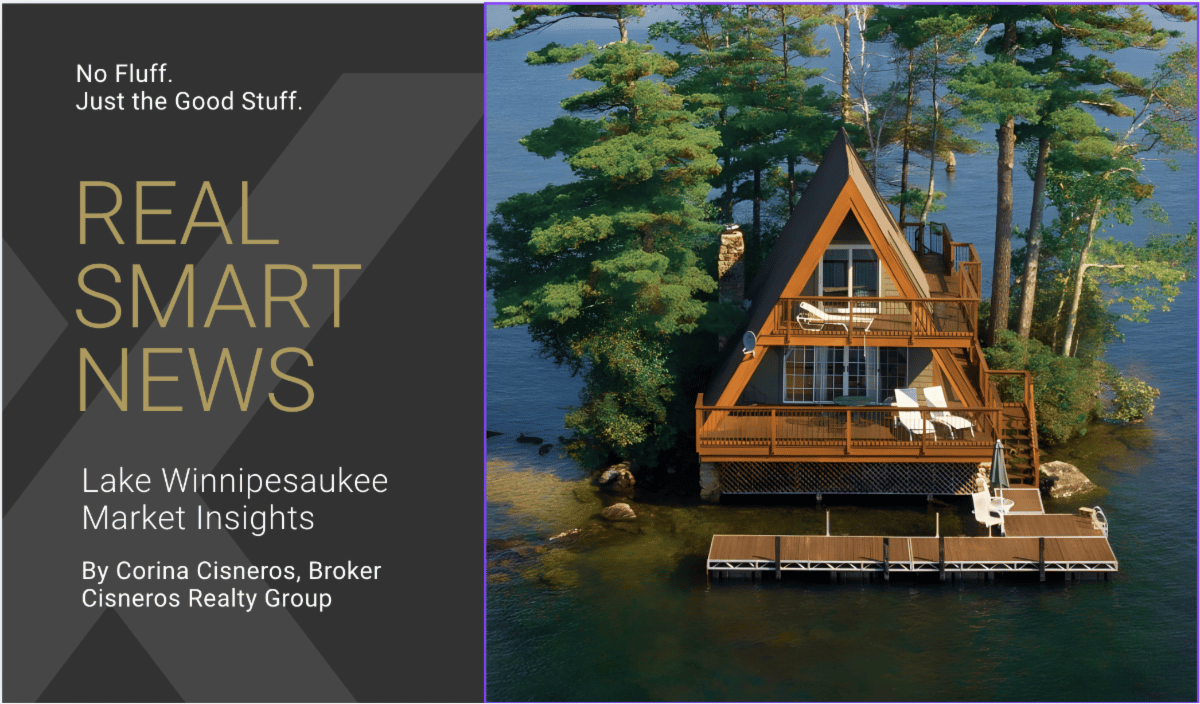
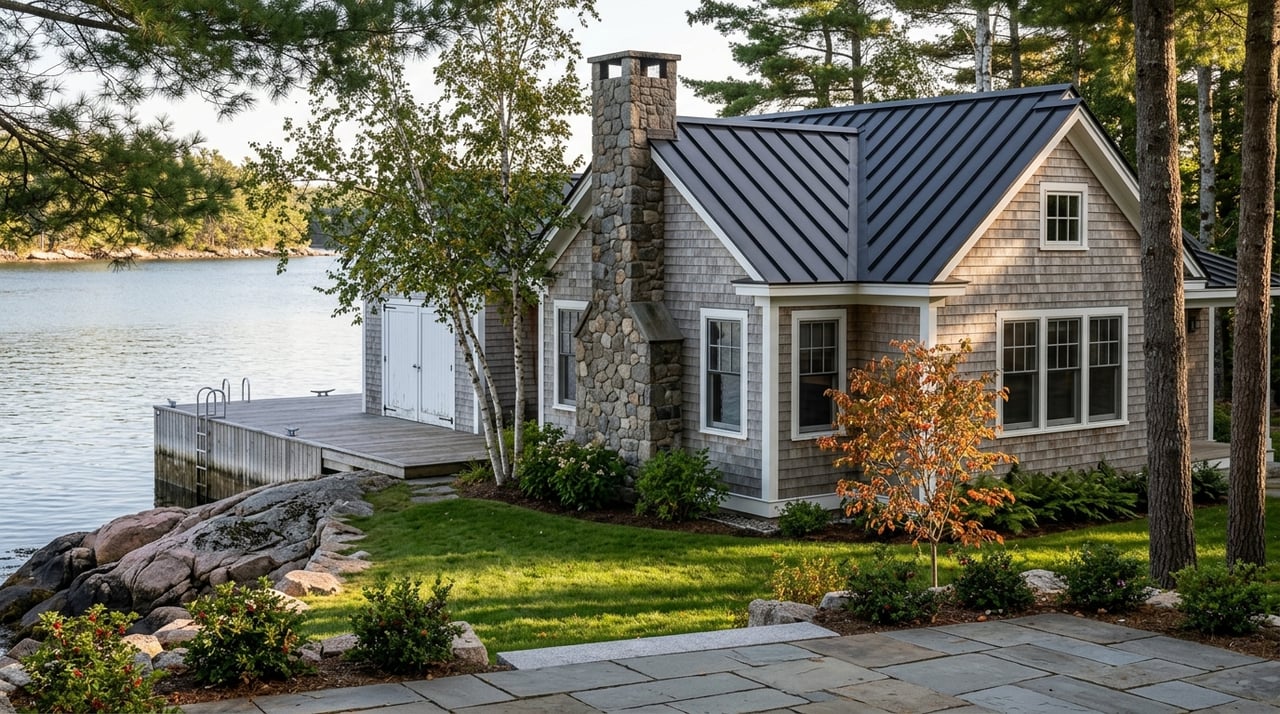
Drone imagery, shoreline visuals, dock positioning, and sunset exposure photography are critical for lakefront listings. Non-waterfront properties do not rely as heavily on waterfront imagery to convey value.
7. Negotiation Considerations
Waterfront properties may involve association rules, deeded access clarifications, shared shoreline agreements, or right-of-way documentation. These factors can influence offer structure and contingency review.
8. Insurance and Financing Differences
Lakefront homes may carry distinct underwriting requirements due to shoreline exposure, septic systems, and seasonal occupancy. Buyers and sellers must account for potential lender and insurer conditions.
9. Environmental Disclosure Requirements
Water access rights, shoreline modifications, dock history, and environmental permits require careful documentation and disclosure in waterfront transactions.
10. Risk Mitigation Oversight
Structured due diligence is more intensive for lakefront homes. Coordinating inspections, verifying permits, reviewing zoning, and confirming legal access rights require disciplined oversight from contract through closing.
In the New Hampshire Lakes Region, selling a lakefront home demands greater regulatory fluency, pricing precision, and transaction supervision than selling a non-waterfront property. Understanding these differences allows sellers to prepare appropriately and position their property strategically.
RELATED RESOURCES FROM CISNEROSREALTYGROUP.COM:
• Waterfront Buyer’s Guide – https://cisnerosrealtygroup.com/waterfront-buyers-guide
• Lake Winnipesaukee Real Estate – https://cisnerosrealtygroup.com/lake-winnipesaukee
• Lake Squam Real Estate – https://cisnerosrealtygroup.com/lake-squam
• Seller’s Guide – https://cisnerosrealtygroup.com/sellers-guide
• Lake Comparison Hub – https://cisnerosrealtygroup.com/lake-comparison-hub