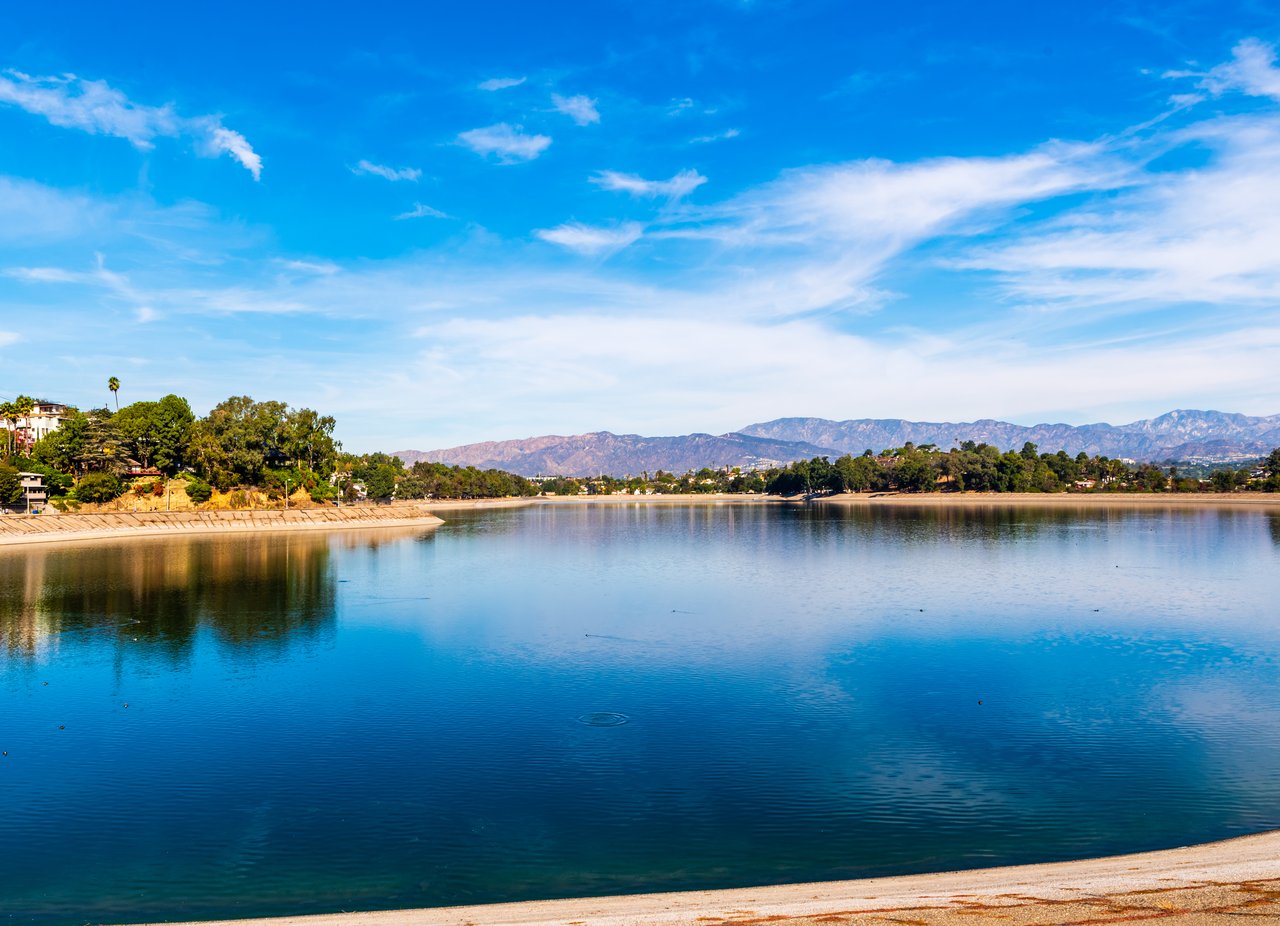
Water quality is one of the most important factors influencing long-term enjoyment, shoreline stability, and overall buyer confidence on New Hampshire lakes. Below is a lake-by-lake overview of water clarity, trophic status, harmful algal bloom (HAB) history, invasive species presence, and wake/erosion sensitivity.
1. Lake Winnipesaukee
Water Clarity:
Measured water clarity varies significantly by basin. Deeper basins typically show higher Secchi depth readings, while enclosed bays and high-traffic areas show reduced clarity during peak summer months.
Trophic Status:
Classified primarily as mesotrophic, with some oligotrophic characteristics in deeper, less developed basins. This reflects moderate nutrient levels with active management required.
Harmful Algal Bloom (HAB) History:
Documented cyanobacteria advisories have occurred in multiple years. Blooms are typically localized, not lake-wide, and are actively monitored by NH DES during the swimming season.
Invasive Species Presence:
Confirmed presence of invasive aquatic species, including milfoil. Long-standing monitoring, mitigation, and public education programs are in place across the lake.
Wake & Erosion Sensitivity:
Shoreline sensitivity varies by location. High boat traffic and long fetch increase erosion risk in exposed areas, while protected coves are more sensitive to cumulative wake impacts.
2. Squam Lake
Water Clarity:
Consistently high water clarity has been documented relative to other large New Hampshire lakes, with strong Secchi depth performance in monitored areas.
Trophic Status:
Classified as oligotrophic, indicating low nutrient levels and limited algal growth under normal conditions.
Harmful Algal Bloom (HAB) History:
HAB advisories are uncommon. Isolated cyanobacteria conditions may occur in shallow or sheltered coves during extreme heat but are not a recurring lake-wide issue.
Invasive Species Presence:
Invasive species concerns exist, but infestation levels are lower than many comparable lakes. Monitoring and prevention are emphasized through watershed and conservation programs.
Wake & Erosion Sensitivity:
Despite its size, Squam Lake has high shoreline sensitivity due to conservation priorities, natural shoreline composition, and limited wave tolerance in protected areas.
3. Lake Winnisquam
Water Clarity:
Water clarity is generally moderate, with seasonal variability influenced by development density, runoff, and basin configuration.
Trophic Status:
Classified as mesotrophic, reflecting moderate nutrient concentrations that require ongoing watershed management.
Harmful Algal Bloom (HAB) History:
Cyanobacteria advisories have been documented, typically localized and seasonal rather than persistent or lake-wide.
Invasive Species Presence:
Confirmed invasive species presence, including milfoil. Active management and monitoring programs are in place through lake associations and state coordination.
Wake & Erosion Sensitivity:
Moderate to high in narrower sections and developed shoreline areas, where wakes and shallow depths amplify erosion risk.
4. Newfound Lake
Water Clarity:
Consistently high water clarity is documented, with Secchi depth readings among the strongest in the state.
Trophic Status:
Classified as oligotrophic, indicating low nutrient input and limited algal productivity.
Harmful Algal Bloom (HAB) History:
HAB advisories are rare. When present, they tend to be isolated and short-lived rather than recurring.
Invasive Species Presence:
Invasive species concerns exist but are comparatively limited. Ongoing monitoring and early-detection efforts are emphasized.
Wake & Erosion Sensitivity:
Moderate. Deep water and strong circulation reduce widespread erosion, but coves and shallow shoreline areas remain sensitive.
5. Lake Ossipee
Water Clarity:
Water clarity is variable and seasonally influenced, with clearer conditions in deeper sections and reduced clarity in shallow or wetland-adjacent areas.
Trophic Status:
Generally classified as mesotrophic, with some areas showing higher nutrient sensitivity.
Harmful Algal Bloom (HAB) History:
Cyanobacteria advisories have occurred in documented years, typically localized and associated with warm, low-flow conditions.
Invasive Species Presence:
Confirmed invasive species presence with ongoing monitoring and management programs supported by lake associations and state agencies.
Wake & Erosion Sensitivity:
Moderate. Broad open-water areas disperse energy, but shallow sections and developed shorelines are erosion-prone.
6. Lake Wentworth
Water Clarity:
Measured clarity is moderate, with clearer conditions in deeper, open-water sections and reduced clarity in shallow or near-shore areas during peak summer.
Trophic Status:
Classified as mesotrophic, indicating moderate nutrient levels that require ongoing watershed management.
Harmful Algal Bloom (HAB) History:
Cyanobacteria advisories have been documented in some years, typically localized rather than lake-wide.
Invasive Species Presence:
Confirmed invasive aquatic species presence, with monitoring and mitigation coordinated through state and local programs.
Wake & Erosion Sensitivity:
Moderate. Long fetch in open areas increases wave energy, while narrow sections and developed shorelines are more erosion-prone.
7. Great East Lake
Water Clarity:
Generally moderate, with seasonal variability influenced by watershed inputs and recreational use.
Trophic Status:
Classified as mesotrophic, reflecting balanced but nutrient-sensitive conditions.
Harmful Algal Bloom (HAB) History:
HAB advisories have been reported periodically, particularly during prolonged hot weather.
Invasive Species Presence:
Confirmed invasive species presence. Management and monitoring are active on both the New Hampshire and Maine sides of the lake.
Wake & Erosion Sensitivity:
Moderate to high. Long fetch and high boat activity increase erosion risk along exposed shorelines.
8. Merrymeeting Lake
Water Clarity:
Typically fair to moderate, with reduced clarity common due to shallow depth and surrounding wetlands.
Trophic Status:
Classified as mesotrophic, with eutrophic tendencies in some areas, indicating higher nutrient sensitivity.
Harmful Algal Bloom (HAB) History:
Cyanobacteria advisories have been documented, particularly during warm summer conditions.
Invasive Species Presence:
Invasive species concerns are present, with monitoring supported by local lake associations and state programs.
Wake & Erosion Sensitivity:
Moderate. Shallow depth increases sensitivity to boat wakes and sediment disturbance.
9. Paugus Bay (Lake Winnipesaukee)
Water Clarity:
Generally lower than the main body of Lake Winnipesaukee, with reduced clarity due to enclosed geography and heavy use.
Trophic Status:
Classified as mesotrophic, reflecting higher nutrient influence than open basins of Winnipesaukee.
Harmful Algal Bloom (HAB) History:
Localized cyanobacteria advisories have been documented, particularly during peak summer conditions.
Invasive Species Presence:
Confirmed invasive species presence consistent with the broader Winnipesaukee system; active management is ongoing.
Wake & Erosion Sensitivity:
High. Confined geography and intense boat traffic increase erosion risk along shorelines.
10. Silver Lake (Madison)
Water Clarity:
Generally good, with clearer conditions than many similarly sized regional lakes.
Trophic Status:
Classified as oligotrophic to mesotrophic, indicating relatively low nutrient levels with some seasonal variability.
Harmful Algal Bloom (HAB) History:
HAB advisories are uncommon; no persistent lake-wide bloom pattern has been documented.
Invasive Species Presence:
Limited invasive species impacts reported to date; monitoring and early-detection efforts are in place.
Wake & Erosion Sensitivity:
Moderate. Recreational use exists, but lake size and circulation help limit widespread erosion.
11. Lake Waukewan
Water Clarity:
Water clarity is moderate, with seasonal variation influenced by watershed inputs and nearby development.
Trophic Status:
Classified as mesotrophic, indicating moderate nutrient levels and sensitivity to runoff.
Harmful Algal Bloom (HAB) History:
Cyanobacteria advisories have been documented in some years, typically localized rather than persistent across the lake.
Invasive Species Presence:
Confirmed invasive aquatic plant presence, with active monitoring and management coordinated through state and local programs.
Wake & Erosion Sensitivity:
Moderate to high in developed shoreline areas; wave action and shallow near-shore zones contribute to erosion risk.
12. Webster Lake
Water Clarity:
Generally fair to moderate, with clarity influenced by shoreline development and seasonal runoff.
Trophic Status:
Classified as mesotrophic, with higher nutrient sensitivity in shallow areas.
Harmful Algal Bloom (HAB) History:
Cyanobacteria advisories have been documented, including in recent years, typically during hot summer periods.
Invasive Species Presence:
Confirmed invasive species presence; ongoing monitoring and mitigation are supported by lake associations and state programs.
Wake & Erosion Sensitivity:
Moderate to high. Shallow depth and recreational traffic increase shoreline erosion risk.
13. Pine River Pond
Water Clarity:
Water clarity is moderate, with clearer conditions in deeper sections and reduced clarity near shorelines.
Trophic Status:
Classified as mesotrophic, reflecting balanced but nutrient-sensitive conditions.
Harmful Algal Bloom (HAB) History:
HAB advisories have been reported occasionally, generally localized and seasonal.
Invasive Species Presence:
Confirmed invasive species presence; monitoring and management programs are active.
Wake & Erosion Sensitivity:
Moderate. Narrow sections and shallow areas increase susceptibility to wake-related erosion.
14. Lovell Lake
Water Clarity:
Generally good, with higher clarity than many lakes of similar size.
Trophic Status:
Classified as oligotrophic to mesotrophic, indicating relatively low nutrient levels.
Harmful Algal Bloom (HAB) History:
HAB advisories are uncommon; no persistent pattern has been documented.
Invasive Species Presence:
Limited invasive species impacts reported to date; monitoring and prevention efforts are ongoing.
Wake & Erosion Sensitivity:
Moderate. Recreational use exists, but lake size and circulation help disperse wake energy.
15. Crystal Lake (Gilmanton)
Water Clarity:
Water clarity is moderate, with seasonal variability influenced by surrounding land use.
Trophic Status:
Classified as mesotrophic, indicating moderate nutrient levels.
Harmful Algal Bloom (HAB) History:
Cyanobacteria advisories have been documented, typically during warm summer conditions.
Invasive Species Presence:
Confirmed invasive aquatic plant presence; management efforts are ongoing.
Wake & Erosion Sensitivity:
Moderate. Developed shoreline areas and recreational traffic increase erosion risk.
16. Lake Opechee
Water Clarity:
Generally fair to moderate, with clarity influenced by urban runoff, river inputs, and shoreline development.
Trophic Status:
Classified as mesotrophic, with nutrient sensitivity typical of urban-adjacent lakes.
Harmful Algal Bloom (HAB) History:
Cyanobacteria advisories have been documented, including in recent years, typically during prolonged warm weather.
Invasive Species Presence:
Confirmed invasive aquatic species presence; monitoring and management are active through state and local programs.
Wake & Erosion Sensitivity:
Moderate to high. Shoreline development and limited open-water fetch increase erosion risk in nearshore areas.
17. Upper Suncook Lake
Water Clarity:
Typically fair, with reduced clarity common due to shallow depth and watershed runoff.
Trophic Status:
Classified as mesotrophic, with eutrophic tendencies, indicating higher nutrient sensitivity.
Harmful Algal Bloom (HAB) History:
Cyanobacteria advisories have been documented, particularly during warm summer periods.
Invasive Species Presence:
Confirmed invasive species presence; monitoring and mitigation efforts are ongoing.
Wake & Erosion Sensitivity:
High. Shallow depth and narrow areas amplify wake impacts and sediment disturbance.
18. Lake Kanasatka
Water Clarity:
Generally good, with clearer conditions than many nearby lakes.
Trophic Status:
Classified as oligotrophic to mesotrophic, indicating relatively low nutrient levels with some seasonal variability.
Harmful Algal Bloom (HAB) History:
HAB advisories are uncommon; no persistent lake-wide bloom pattern has been documented.
Invasive Species Presence:
Limited invasive species impacts reported to date; ongoing monitoring and prevention efforts are in place.
Wake & Erosion Sensitivity:
Moderate. Recreational use exists, but circulation and depth help limit widespread erosion.
19. Lake Wicwas
Water Clarity:
Generally fair to moderate, with seasonal variability influenced by watershed inputs.
Trophic Status:
Classified as mesotrophic, reflecting moderate nutrient levels.
Harmful Algal Bloom (HAB) History:
HAB advisories have been reported occasionally, typically localized and seasonal.
Invasive Species Presence:
Confirmed invasive species presence; monitoring and management are active.
Wake & Erosion Sensitivity:
Moderate. Shoreline sensitivity increases in shallow and developed areas.
20. Mirror Lake (Tuftonboro)
Water Clarity:
Generally good to very good, often clearer than nearby, more heavily trafficked lakes.
Trophic Status:
Classified as oligotrophic to mesotrophic, indicating relatively low nutrient levels.
Harmful Algal Bloom (HAB) History:
HAB advisories are rare; no recurring bloom pattern has been documented.
Invasive Species Presence:
Limited invasive species issues reported to date; continued monitoring is in place.
Wake & Erosion Sensitivity:
Low to moderate. Lighter boat traffic and sheltered geography help preserve shoreline stability.
21. Lower Suncook Lake
Water Clarity:
Typically fair, with reduced visibility common due to shallow depth and upstream watershed influences.
Trophic Status:
Classified as mesotrophic, with eutrophic tendencies, indicating elevated nutrient sensitivity.
Harmful Algal Bloom (HAB) History:
Cyanobacteria advisories have been documented, particularly during warm, low-flow summer conditions.
Invasive Species Presence:
Confirmed invasive aquatic species presence; monitoring and management efforts are ongoing.
Wake & Erosion Sensitivity:
High. Shallow depth and narrow areas increase sensitivity to wakes and shoreline erosion.
22. Halfmoon Lake
Water Clarity:
Generally fair to moderate, with seasonal variability influenced by runoff and shoreline development.
Trophic Status:
Classified as mesotrophic, reflecting moderate nutrient levels.
Harmful Algal Bloom (HAB) History:
HAB advisories have been reported occasionally, typically localized and seasonal.
Invasive Species Presence:
Confirmed invasive species presence; monitoring and mitigation are active.
Wake & Erosion Sensitivity:
Moderate to high. Smaller lake size amplifies wake impacts along developed shorelines.
23. Lake Pemigewasset
Water Clarity:
Typically fair to moderate, influenced by river inflow, sediment movement, and surrounding development.
Trophic Status:
Classified as mesotrophic, reflecting moderate nutrient input.
Harmful Algal Bloom (HAB) History:
Cyanobacteria advisories have been documented, usually localized near slower-moving or sheltered areas.
Invasive Species Presence:
Confirmed invasive species presence; monitoring and management programs are active.
Wake & Erosion Sensitivity:
Moderate. Riverine characteristics increase sensitivity in certain shoreline sections.
24. Sunrise Lake
Water Clarity:
Generally fair, with reduced clarity common due to shallow depth and watershed inputs.
Trophic Status:
Classified as mesotrophic, with eutrophic tendencies, indicating higher nutrient sensitivity.
Harmful Algal Bloom (HAB) History:
Cyanobacteria advisories have been documented, particularly during extended warm periods.
Invasive Species Presence:
Confirmed invasive species presence; monitoring and mitigation efforts are ongoing.
Wake & Erosion Sensitivity:
High. Shallow conditions make shorelines sensitive to wakes and sediment disturbance.
25. Sunset Lake (Alton)
Water Clarity:
Typically fair to moderate, with seasonal variability.
Trophic Status:
Classified as mesotrophic, reflecting moderate nutrient levels.
Harmful Algal Bloom (HAB) History:
HAB advisories have been reported occasionally, generally localized and seasonal.
Invasive Species Presence:
Confirmed invasive species presence; monitoring and management are active.
Wake & Erosion Sensitivity:
Moderate. Smaller size and recreational use increase shoreline sensitivity.
26. Rust Pond (Wolfeboro)
Water Clarity:
Typically fair to moderate, with seasonal variability influenced by surrounding development and watershed inputs.
Trophic Status:
Classified as mesotrophic, indicating moderate nutrient levels.
Harmful Algal Bloom (HAB) History:
Cyanobacteria advisories have been documented, generally localized and seasonal.
Invasive Species Presence:
Confirmed invasive aquatic species presence; monitoring and management efforts are active.
Wake & Erosion Sensitivity:
Moderate. Smaller size increases shoreline sensitivity to wake action.
27. Silver Lake (Tilton & Belmont)
Water Clarity:
Generally fair, with clarity influenced by development density and runoff.
Trophic Status:
Classified as mesotrophic, with eutrophic tendencies in some areas, indicating higher nutrient sensitivity.
Harmful Algal Bloom (HAB) History:
HAB advisories have been documented, including in recent years.
Invasive Species Presence:
Confirmed invasive species presence; management and mitigation programs are ongoing.
Wake & Erosion Sensitivity:
Moderate to high. Shallow areas and residential shoreline increase erosion risk.
28. Hermit Lake (Sanbornton)
Water Clarity:
Typically fair to moderate, with seasonal fluctuations.
Trophic Status:
Classified as mesotrophic, reflecting moderate nutrient levels.
Harmful Algal Bloom (HAB) History:
HAB advisories have been reported occasionally, generally localized.
Invasive Species Presence:
Confirmed invasive species presence; monitoring and management are active.
Wake & Erosion Sensitivity:
Moderate. Smaller lake size amplifies shoreline sensitivity to wakes.
29. Lake Winona
Water Clarity:
Generally moderate, with clearer conditions than many nearby shallow ponds.
Trophic Status:
Classified as mesotrophic, indicating balanced but nutrient-sensitive conditions.
Harmful Algal Bloom (HAB) History:
HAB advisories are uncommon, though isolated conditions have been observed in warm periods.
Invasive Species Presence:
Limited invasive species impacts reported to date; monitoring continues.
Wake & Erosion Sensitivity:
Moderate. Recreational use exists, but lake size limits sustained wake exposure.
30. Locke Lake
Water Clarity:
Typically fair, with reduced clarity common due to shallow depth and dense shoreline development.
Trophic Status:
Classified as mesotrophic, with eutrophic tendencies, indicating elevated nutrient sensitivity.
Harmful Algal Bloom (HAB) History:
Cyanobacteria advisories have been documented, particularly during warm summer conditions.
Invasive Species Presence:
Confirmed invasive species presence; active management programs are in place.
Wake & Erosion Sensitivity:
High. Shallow depth and high density amplify wake and erosion impacts.
31. Belleau Lake
Water Clarity:
Generally fair to moderate, with seasonal variability.
Trophic Status:
Classified as mesotrophic, reflecting moderate nutrient levels.
Harmful Algal Bloom (HAB) History:
HAB advisories have been reported occasionally, typically localized.
Invasive Species Presence:
Confirmed invasive species presence; monitoring and management are ongoing.
Wake & Erosion Sensitivity:
Moderate. Lake size limits wave dispersion, increasing shoreline sensitivity.
32. Lees Pond
Water Clarity:
Typically fair, influenced by shallow depth and surrounding land use.
Trophic Status:
Classified as mesotrophic, with eutrophic tendencies, indicating higher nutrient sensitivity.
Harmful Algal Bloom (HAB) History:
Cyanobacteria advisories have been documented in multiple seasons.
Invasive Species Presence:
Confirmed invasive species presence; monitoring and management are active.
Wake & Erosion Sensitivity:
High. Small size and shallow depth increase susceptibility to disturbance.
33. Wakondah Pond
Water Clarity:
Generally fair, with limited visibility common during summer.
Trophic Status:
Classified as mesotrophic, trending toward higher nutrient sensitivity.
Harmful Algal Bloom (HAB) History:
HAB advisories have been reported, generally localized and seasonal.
Invasive Species Presence:
Confirmed invasive species presence; monitoring is ongoing.
Wake & Erosion Sensitivity:
High. Very small size amplifies wake and sediment impacts.
34. Hill’s Pond (Alton)
Water Clarity:
Typically fair, with clarity affected by shallow depth and watershed inputs.
Trophic Status:
Classified as mesotrophic, with eutrophic tendencies.
Harmful Algal Bloom (HAB) History:
Cyanobacteria advisories have been documented, particularly during warm weather.
Invasive Species Presence:
Confirmed invasive species presence; monitoring and management efforts are active.
Wake & Erosion Sensitivity:
High. Shallow conditions make shoreline erosion a significant concern.
35. Sawyer Lake
Water Clarity:
Generally fair, with reduced clarity common due to shallow depth.
Trophic Status:
Classified as mesotrophic, with eutrophic tendencies, indicating elevated nutrient sensitivity.
Harmful Algal Bloom (HAB) History:
HAB advisories have been documented, typically during warm summer periods.
Invasive Species Presence:
Confirmed invasive species presence; management programs are in place.
Wake & Erosion Sensitivity:
High. Small size and shallow depth significantly increase sensitivity to disturbance.
Which lakes have consistently high water clarity?
Squam Lake and Newfound Lake have consistently high documented water clarity. Mirror Lake (Tuftonboro) is described as generally good to very good, and Silver Lake (Madison), Lovell Lake, and Lake Kanasatka are described as generally good/clearer than many nearby lakes.
Which lakes are classified as oligotrophic?
Squam Lake and Newfound Lake are classified as oligotrophic. Lakes classified as oligotrophic to mesotrophic include Silver Lake (Madison), Lovell Lake, Mirror Lake (Tuftonboro), and Lake Kanasatka.
Which lakes have documented cyanobacteria or HAB advisories?
Documented advisories are noted for Lake Winnipesaukee, Lake Winnisquam, Lake Ossipee, Lake Wentworth, Great East Lake, Merrymeeting Lake, Paugus Bay, Lake Waukewan, Webster Lake, Pine River Pond, Crystal Lake (Gilmanton), Lake Opechee, Upper Suncook Lake, Lower Suncook Lake, Halfmoon Lake, Lake Pemigewasset, Sunrise Lake, Sunset Lake (Alton), Rust Pond (Wolfeboro), Silver Lake (Tilton & Belmont), Locke Lake, Belleau Lake, Lees Pond, Wakondah Pond, Hill’s Pond (Alton), and Sawyer Lake.
Are HAB advisories typically lake-wide?
In many cases, advisories are described as localized, seasonal, and not persistent or lake-wide.
Which lakes have confirmed invasive species presence?
Confirmed invasive species presence is documented across many lakes, including Lake Winnipesaukee (including Paugus Bay), Lake Winnisquam, Lake Ossipee, Lake Wentworth, Great East Lake, Lake Waukewan, Webster Lake, Pine River Pond, Crystal Lake (Gilmanton), Lake Opechee, Upper Suncook Lake, Lower Suncook Lake, Halfmoon Lake, Lake Pemigewasset, Sunrise Lake, Sunset Lake (Alton), Rust Pond (Wolfeboro), Silver Lake (Tilton & Belmont), Hermit Lake (Sanbornton), Locke Lake, Belleau Lake, Lees Pond, Wakondah Pond, Hill’s Pond (Alton), and Sawyer Lake.
Which lakes are most sensitive to wakes and shoreline erosion?
Higher wake and erosion sensitivity is noted for Paugus Bay, Upper Suncook Lake, Lower Suncook Lake, Sunrise Lake, Locke Lake, Lees Pond, Wakondah Pond, Hill’s Pond (Alton), and Sawyer Lake. Squam Lake is also noted as having high shoreline sensitivity.