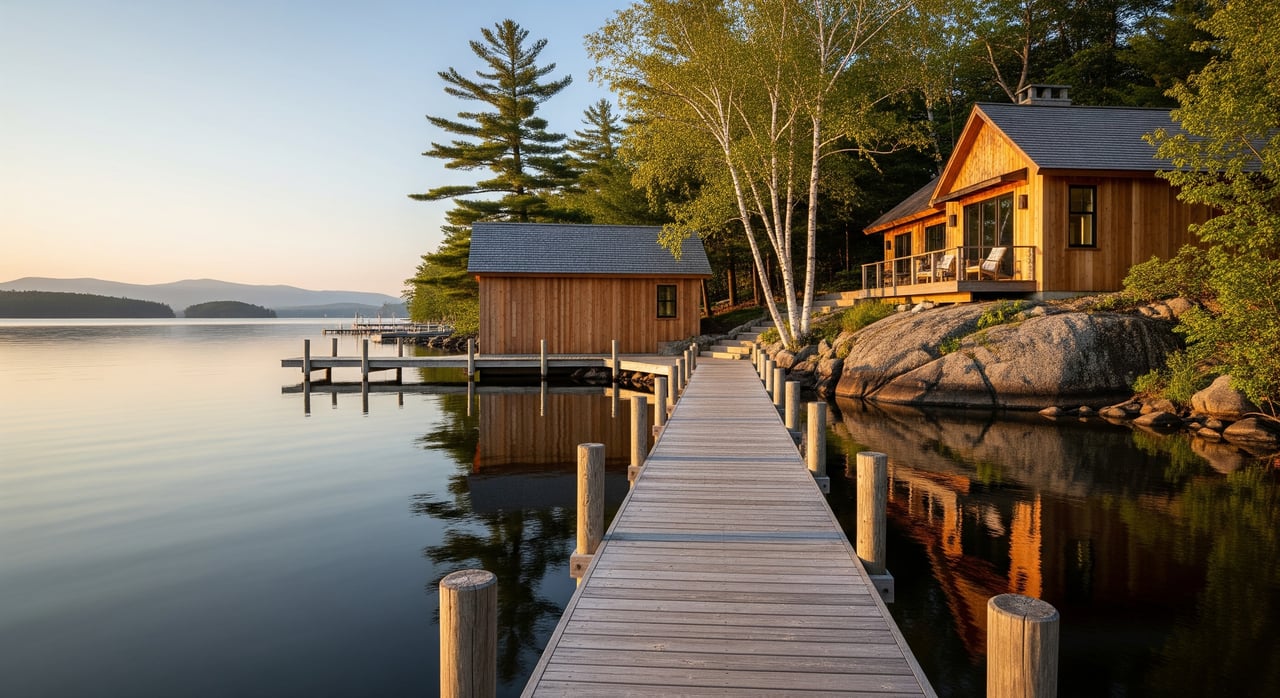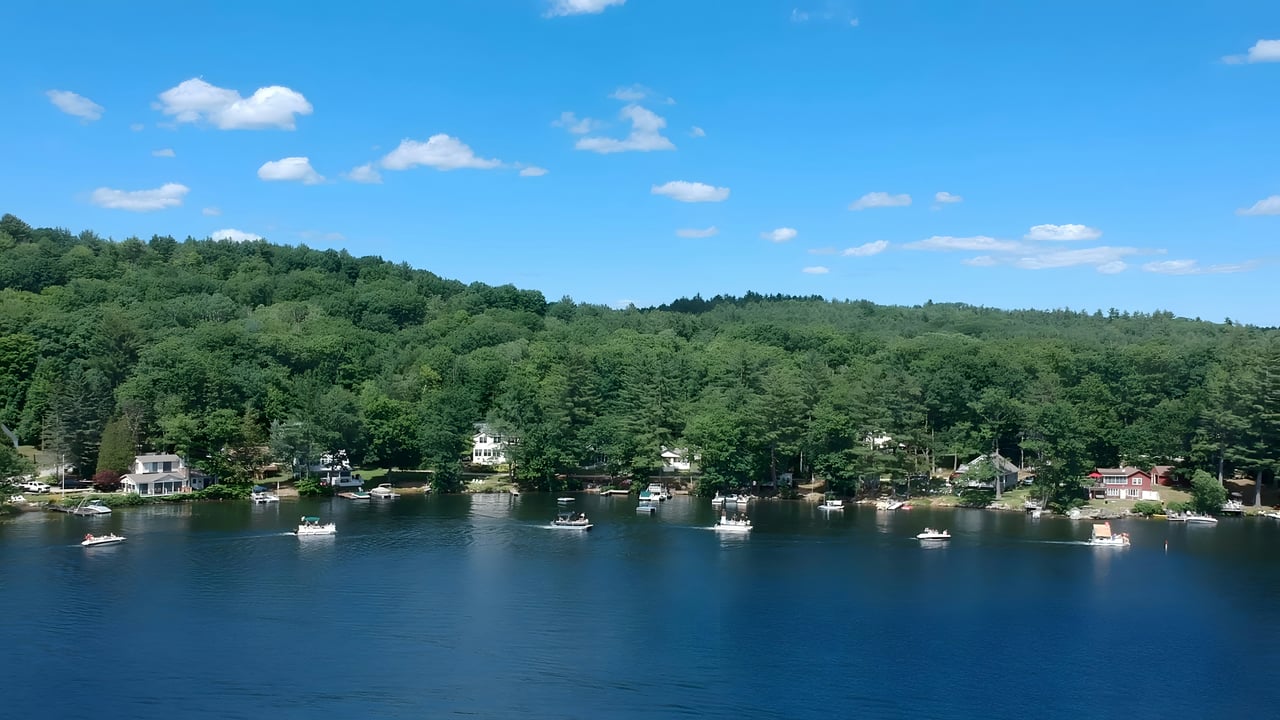
Crowding is where lake-life expectations most often collide with reality—especially in July and August, when traffic on the water, noise, parking, and weekend surges can change how a property “lives.” Looking across these New Hampshire lakes, the pattern is consistent: tourism-driven destinations spike hardest, community-style lakes with dense shorelines stay busy with less relief, and quieter, lower-pressure lakes remain steady with stronger shoulder-season calm. The most buyer-friendly experiences tend to come from lakes with low-to-moderate peak crowding, a smaller weekend/weekday swing, and high shoulder-season quiet.
How to read these patterns
This is observational and conservative—no hype, no assumptions. For each lake, the “feel” is shaped by:
-
Peak summer reality (July–August) vs shoulder seasons (May, Sept–Oct)
-
Weekend vs weekday behavior
-
Tourism/event effects vs residential use
-
How much quiet returns once peak season ends
Lake-by-lake: what it feels like through the year
1) Lake Winnipesaukee
Peak July–August: High crowding
Weekends vs weekdays: Significant difference
Tourism/events: High impact
Shoulder season quiet: Moderate to high (varies by location)
How it feels: Peak summer is extremely busy—weekends and holidays are the most intense. Shoulder seasons provide real relief, but activity doesn’t fully disappear.
2) Squam Lake
Peak July–August: Low to moderate
Weekends vs weekdays: Noticeable but controlled
Tourism/events: Low impact
Shoulder season quiet: High
How it feels: Quiet and controlled even in mid-summer, with a clear shift to pronounced calm in spring and fall.
3) Lake Winnisquam
Peak July–August: Moderate
Weekends vs weekdays: Noticeable
Tourism/events: Moderate impact
Shoulder season quiet: Moderate
How it feels: Summer is active, but it reads more residential than Winnipesaukee. Crowding is generally manageable outside weekends.
4) Newfound Lake
Peak July–August: Moderate
Weekends vs weekdays: Noticeable
Tourism/events: Low to moderate impact
Shoulder season quiet: High
How it feels: Summer activity is present but restrained. The shoulder seasons are notably quiet, which can be a meaningful quality-of-life swing.
5) Lake Ossipee
Peak July–August: Moderate
Weekends vs weekdays: Noticeable
Tourism/events: Moderate impact
Shoulder season quiet: Moderate
How it feels: Recreation increases summer activity, but the experience varies—crowding can feel very different depending on the basin and location.
6) Lake Wentworth
Peak July–August: Low
Weekends vs weekdays: Minimal difference
Tourism/events: Low impact
Shoulder season quiet: High
How it feels: Consistently quiet year-round, with only modest summer lift. The seasonal contrast is there, but it stays gentle.
7) Great East Lake
Peak July–August: Moderate
Weekends vs weekdays: Noticeable
Tourism/events: Moderate impact
Shoulder season quiet: Moderate
How it feels: Busier on summer weekends, especially near public access and where cross-state traffic concentrates activity.
8) Merrymeeting Lake
Peak July–August: High
Weekends vs weekdays: Significant difference
Tourism/events: Moderate impact
Shoulder season quiet: Low to moderate
How it feels: A very active summer lake with strong community and visitor presence. The off-peak calm is limited compared to quieter lakes.
9) Paugus Bay
Peak July–August: Very high
Weekends vs weekdays: Significant difference
Tourism/events: High impact
Shoulder season quiet: Low
How it feels: One of the busiest water areas in the region, with constant summer traffic. The seasonal “release valve” is smaller—peak intensity carries longer.
10) Silver Lake (Madison)
Peak July–August: Low to moderate
Weekends vs weekdays: Minimal to noticeable difference
Tourism/events: Low impact
Shoulder season quiet: High
How it feels: Quieter than larger lakes even during peak summer. Shoulder seasons get notably calm, which helps the lake feel more “livable” beyond August.
11) Lake Waukewan
Peak July–August: Moderate
Weekends vs weekdays: Noticeable
Tourism/events: Low to moderate impact
Shoulder season quiet: Moderate to high
How it feels: Town-adjacent activity lifts summer use, but it calms quickly outside peak weekends—shoulder seasons trend quieter.
12) Webster Lake
Peak July–August: Moderate to high
Weekends vs weekdays: Noticeable
Tourism/events: Moderate impact
Shoulder season quiet: Moderate
How it feels: A busy residential summer lake with steadier use than tourist-heavy destinations—less “spiky,” but still active.
13) Pine River Pond
Peak July–August: Moderate
Weekends vs weekdays: Noticeable
Tourism/events: Low to moderate impact
Shoulder season quiet: Moderate
How it feels: Seasonal recreation increases activity, but it tends to remain manageable—especially outside weekends.
14) Lovell Lake
Peak July–August: Low
Weekends vs weekdays: Minimal difference
Tourism/events: Low impact
Shoulder season quiet: High
How it feels: Quiet even in mid-summer, with a strong shift into calm in spring and fall.
15) Crystal Lake (Gilmanton)
Peak July–August: Moderate
Weekends vs weekdays: Noticeable
Tourism/events: Low to moderate impact
Shoulder season quiet: Moderate
How it feels: Summer activity is present but localized, and the lake eases outside weekends. Shoulder seasons are calmer, but not completely still.
16) Lake Opechee
Peak July–August: Moderate
Weekends vs weekdays: Noticeable
Tourism/events: Low impact
Shoulder season quiet: Moderate
How it feels: Activity stays steadier due to town proximity—less extreme than resort lakes, with fewer sharp peaks.
17) Upper Suncook Lake
Peak July–August: High
Weekends vs weekdays: Significant difference
Tourism/events: Low to moderate impact
Shoulder season quiet: Low to moderate
How it feels: Dense shoreline use drives busy summers, especially on weekends. Off-season quiet exists, but it’s limited by the community-style intensity.
18) Lake Kanasatka
Peak July–August: Low to moderate
Weekends vs weekdays: Minimal to noticeable difference
Tourism/events: Low impact
Shoulder season quiet: High
How it feels: Generally calm in summer with a meaningful quiet-down in spring and fall.
19) Lake Wicwas
Peak July–August: Moderate
Weekends vs weekdays: Noticeable
Tourism/events: Low impact
Shoulder season quiet: Moderate
How it feels: Predictable summer use that tapers outside peak periods—clear patterning, few surprises.
20) Mirror Lake (Tuftonboro)
Peak July–August: Low
Weekends vs weekdays: Minimal difference
Tourism/events: Low impact
Shoulder season quiet: High
How it feels: Consistently quiet even in peak summer, with strong shoulder-season calm.
21) Lower Suncook Lake
Peak July–August: High
Weekends vs weekdays: Significant difference
Tourism/events: Low impact
Shoulder season quiet: Low to moderate
How it feels: Dense residential use creates busy summers with noticeable weekend peaks. Off-season quiet is limited.
22) Halfmoon Lake
Peak July–August: Moderate to high
Weekends vs weekdays: Noticeable
Tourism/events: Low impact
Shoulder season quiet: Moderate
How it feels: Active in summer, but weekdays are more manageable. Shoulder seasons are quieter without going fully still.
23) Lake Pemigewasset
Peak July–August: Moderate
Weekends vs weekdays: Noticeable
Tourism/events: Low impact
Shoulder season quiet: Moderate
How it feels: Steady summer activity influenced by town proximity, without the extreme peak congestion seen in resort lakes.
24) Sunrise Lake
Peak July–August: High
Weekends vs weekdays: Significant difference
Tourism/events: Low to moderate impact
Shoulder season quiet: Low
How it feels: One of the busier small lakes in summer—dense use, limited shoulder-season relief, and a longer “busy season” feel.
25) Sunset Lake
Peak July–August: Moderate
Weekends vs weekdays: Noticeable
Tourism/events: Low impact
Shoulder season quiet: Moderate
How it feels: Balanced seasonal activity: busier weekends, calmer weekdays, and a reasonable taper after peak season.
26) Rust Pond
Peak July–August: Moderate
Weekends vs weekdays: Noticeable
Tourism/events: Low impact
Shoulder season quiet: Moderate
How it feels: Small-pond scale concentrates summer activity, but overall intensity stays manageable.
27) Silver Lake (Tilton & Belmont)
Peak July–August: High
Weekends vs weekdays: Significant difference
Tourism/events: Low to moderate impact
Shoulder season quiet: Low to moderate
How it feels: Very active in summer due to dense shoreline development and easy access. Weekend peaks are strong; relief is limited.
28) Hermit Lake
Peak July–August: Moderate
Weekends vs weekdays: Noticeable
Tourism/events: Low impact
Shoulder season quiet: Moderate
How it feels: Summer use is present but predictable, with quieter conditions outside peak periods.
29) Lake Winona
Peak July–August: Low
Weekends vs weekdays: Minimal difference
Tourism/events: Low impact
Shoulder season quiet: High
How it feels: One of the calmest lakes year-round, including during peak summer.
30) Locke Lake
Peak July–August: Very high
Weekends vs weekdays: Significant difference
Tourism/events: Moderate impact
Shoulder season quiet: Low
How it feels: Extremely active in summer with strong community use and limited seasonal relief—busy is the default in peak season.
31) Belleau Lake
Peak July–August: Moderate
Weekends vs weekdays: Noticeable
Tourism/events: Low impact
Shoulder season quiet: Moderate
How it feels: Predictable summer use with busier weekends and manageable weekday conditions.
32) Lees Pond
Peak July–August: Moderate
Weekends vs weekdays: Noticeable
Tourism/events: Low impact
Shoulder season quiet: Moderate
How it feels: Because it’s small, activity can feel more pronounced in summer even without tourism-driven volume.
33) Wakondah Pond
Peak July–August: High
Weekends vs weekdays: Significant difference
Tourism/events: Low impact
Shoulder season quiet: Low to moderate
How it feels: Dense shoreline development produces lively summers and limited quiet during peak season.
34) Hill’s Pond
Peak July–August: Moderate to high
Weekends vs weekdays: Noticeable
Tourism/events: Low impact
Shoulder season quiet: Moderate
How it feels: Active summer use with quieter conditions outside weekends and holidays.
35) Sawyer Lake
Peak July–August: Moderate
Weekends vs weekdays: Noticeable
Tourism/events: Low impact
Shoulder season quiet: Moderate
How it feels: Consistent summer recreation without extreme peaks or major tourism effects—predictable crowding patterns.
Buyer-facing takeaways (where regret risk tends to show up most)
-
Highest peak intensity (July–August): Paugus Bay, Locke Lake, Lake Winnipesaukee
-
High crowding + limited shoulder-season relief: Paugus Bay, Sunrise Lake, Locke Lake (and often the denser community-style lakes)
-
Quieter even in peak season + strong shoulder calm: Mirror Lake, Lake Wentworth, Lovell Lake, Lake Winona (also often Squam and Kanasatka)
-
“Depends where you are” lakes: Lake Ossipee (basin-dependent), Great East Lake (public access/cross-traffic concentration), Winnipesaukee (location-dependent shoulder-season relief)
FAQ: Seasonal behavior and crowding on NH lakes
Why do buyers regret lake choices most in July and August?
Because peak summer is when the full reality shows up: weekend surges, boating traffic, noise, parking limitations, and congestion. A lake that felt peaceful during a showing can feel very different during peak season.
Which lakes have the strongest weekend vs weekday contrast?
Lakes with significant differences—like Lake Winnipesaukee, Paugus Bay, Merrymeeting, the Suncook lakes, Sunrise Lake, and Locke Lake—tend to feel most “two different worlds” depending on the day.
What’s the difference between tourism-driven crowding and residential crowding?
Tourism-driven crowding spikes with events, visitors, and destination behavior (often sharper peaks). Residential crowding tends to be steadier—busy because the shoreline community is dense, not because of major tourism.
If I want quiet outside summer, what should I look for?
Prioritize lakes with high shoulder-season quiet (May, Sept–Oct) and low tourism impact. Those combinations usually mean the lake meaningfully calms down after peak season.
Are small lakes always quieter?
Not automatically. Small size can actually concentrate activity and make moderate use feel more intense (as noted on ponds like Rust Pond and Lees Pond). Density and access matter as much as size.
How can I reduce crowding surprises before buying?
Focus on the lake’s peak crowding score and weekend/weekday difference, then treat July–August weekends as the “true test” of what day-to-day ownership will feel like.
If you want, I can also convert this into a quick “match tool” (e.g., best lakes for quiet summers, best for predictable weekday use, best shoulder-season calm) using only the same metrics above.