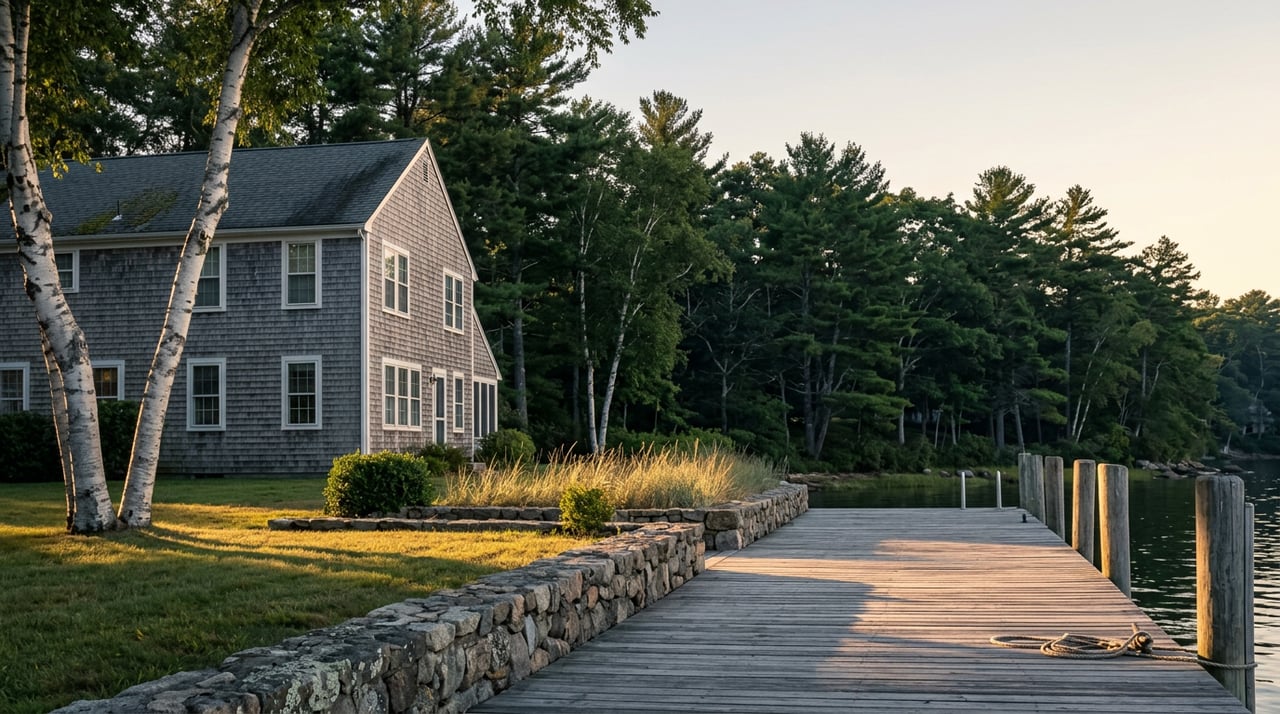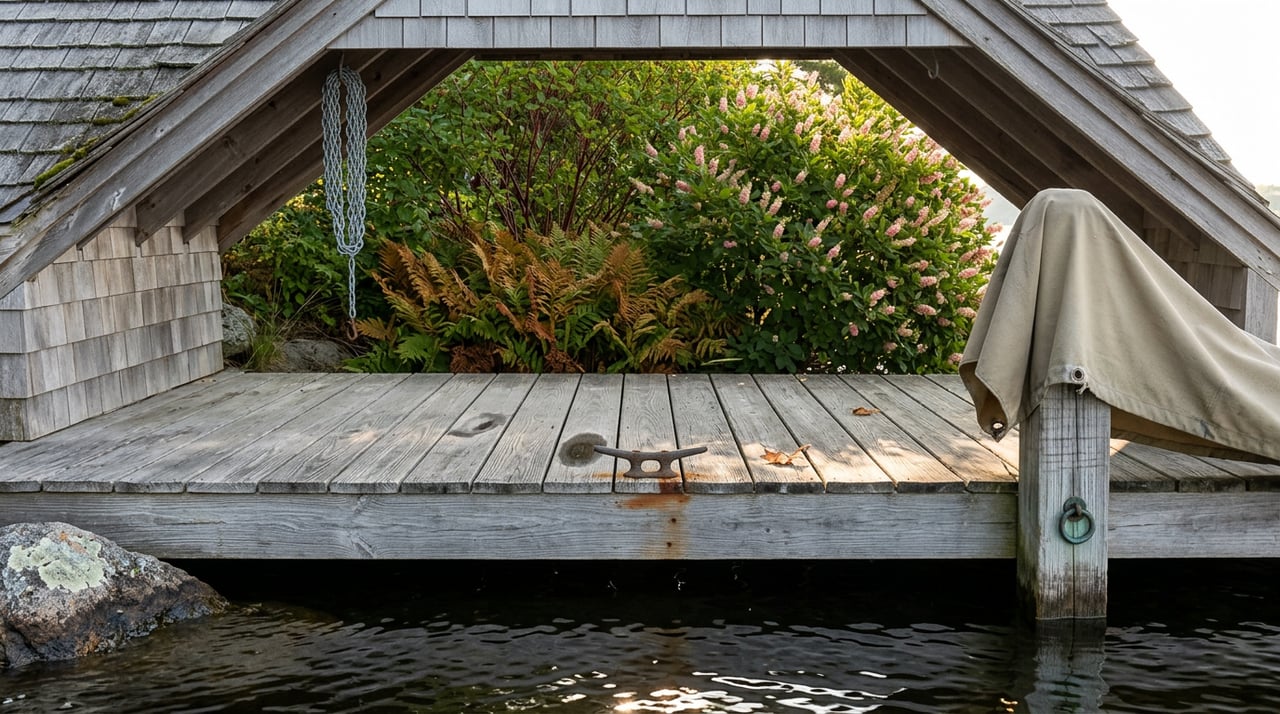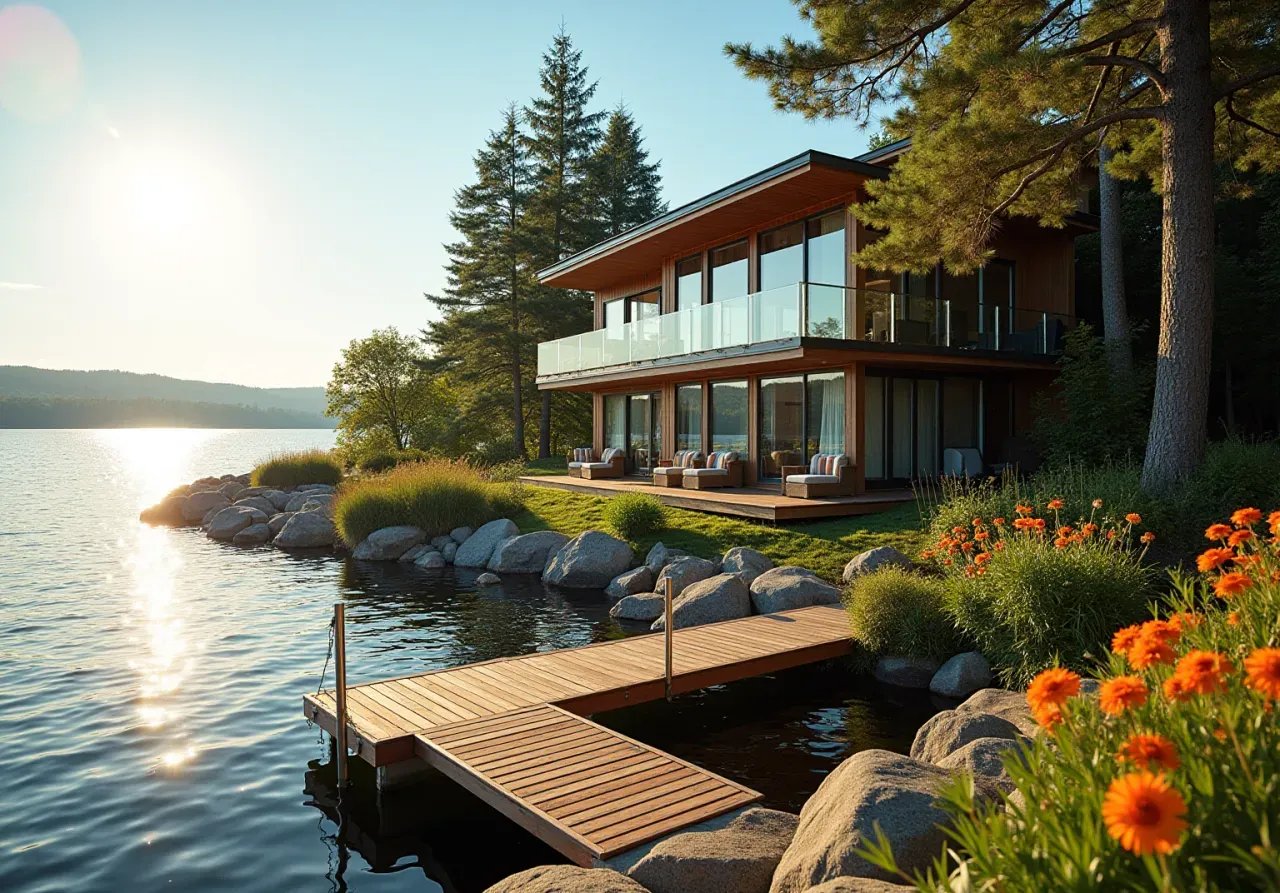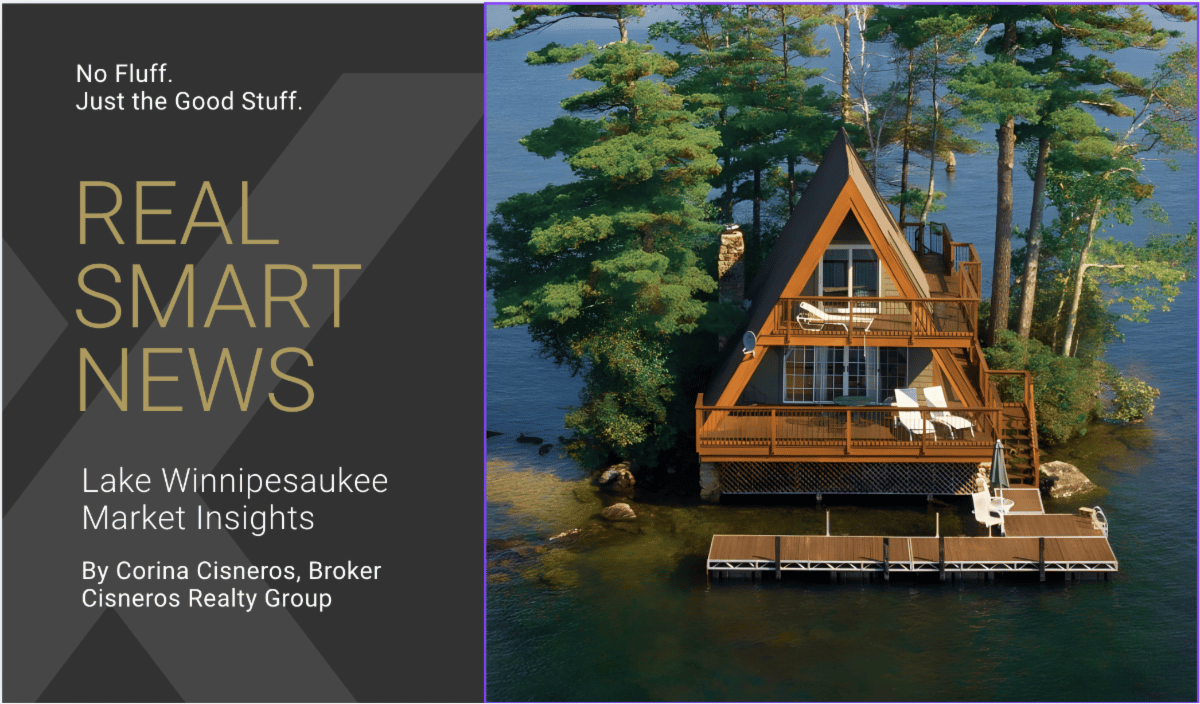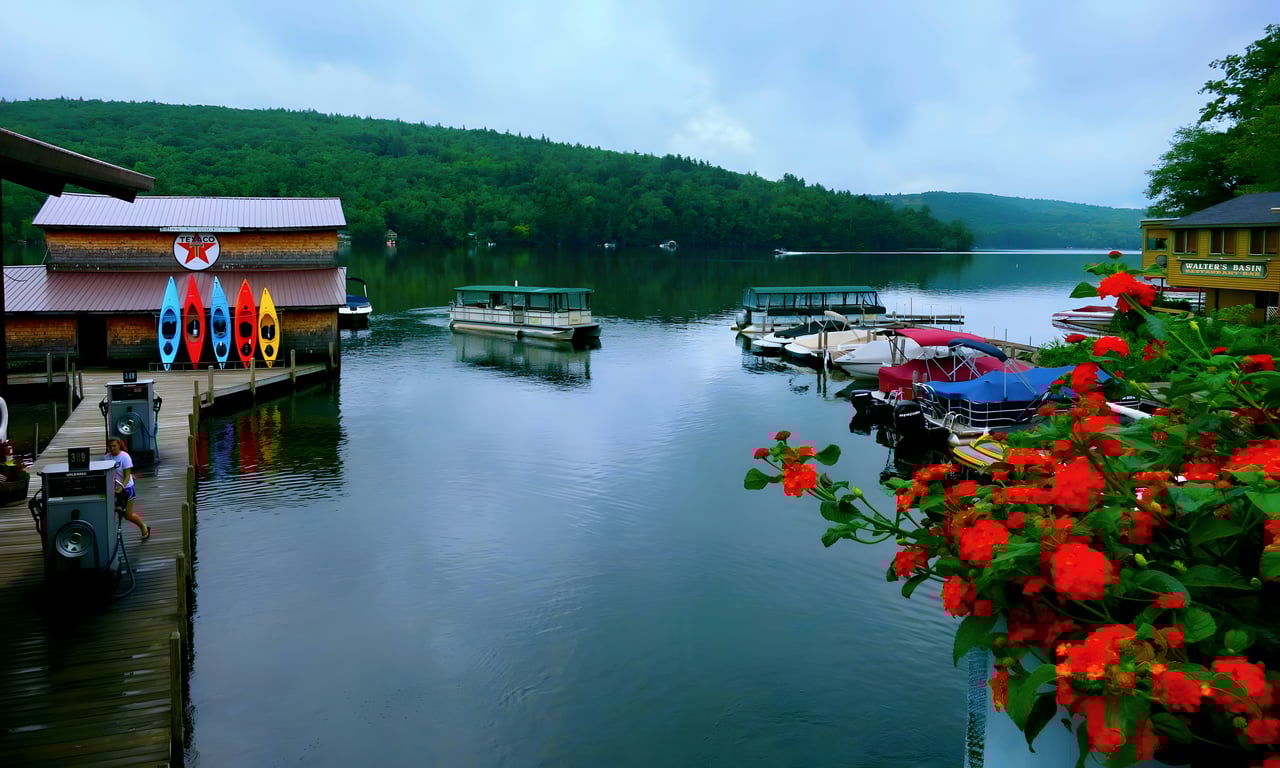
New Hampshire’s lakefront lifestyle often comes with one big question: Can I have a dock—and what will it take to get it approved? While each lake has its own character (from busy boating corridors to conservation-first shorelines), most dock decisions come down to the same factors: whether the dock is seasonal vs. permanent, how much shoreline frontage you have, water depth and navigation safety, and how closely your proposal aligns with state shoreland and wetlands standards—plus the reality that local conservation commissions can heavily influence outcomes.
What you’ll find in this article
-
A lake-by-lake breakdown of what types of docks are typically allowed
-
How dock size and layout are commonly evaluated (frontage, depth, safety, and environmental impact)
-
Where moorings fit in—and when they’re a better option than a dock
-
Why “replacement” is usually smoother than “expansion”
-
Lakes that tend to receive heightened scrutiny (congestion, wetlands, shallow water, or water-supply protection)
-
What “local control” really means for timelines and approvals
Lake-by-lake dock and mooring overview
Lake Winnipesaukee
Dock types allowed: Seasonal docks are permitted. Permanent docks are generally not permitted unless lawfully grandfathered.
Dock size & configuration: Reviewed under NH DES shoreland/wetlands standards; allowances depend on frontage, depth, and navigation safety and vary by site.
Moorings: Allowed with a NH Marine Patrol mooring permit; spacing and location are regulated, and congested areas may see additional scrutiny.
Shoreland setbacks: State Shoreland Protection Act applies; local zoning may be stricter.
Replacement vs. expansion: Replacing an existing legal dock is typically easier than expanding; expansions can trigger added review and may be denied if impacts increase.
Conservation / special overlays: No lake-wide drinking-water designation noted, but sensitive shoreline areas and navigation corridors get heightened scrutiny.
Uncertainty / local control: Local conservation commissions and site conditions strongly shape final approvals.
Squam Lake
Dock types allowed: Seasonal docks only; permanent docks are generally prohibited unless grandfathered.
Dock size & configuration: Often more restrictive than many NH lakes; conservation priorities can drive smaller or simplified designs.
Moorings: Allowed with a Marine Patrol permit, but placement is tightly controlled for navigation, habitat, and visual impacts.
Shoreland setbacks: State standards apply, with strict local enforcement.
Replacement vs. expansion: Replacement may be allowed if impact doesn’t increase; expansion is frequently restricted or denied.
Conservation / special overlays: Strong conservation emphasis, with additional protections in certain areas.
Uncertainty / local control: Local interpretation can vary by shoreline segment, affecting outcomes.
Lake Winnisquam
Dock types allowed: Seasonal docks permitted; permanent docks generally prohibited unless grandfathered.
Dock size & configuration: NH DES Wetlands Bureau review required; must meet navigation, frontage, and environmental standards.
Moorings: Allowed with NH Marine Patrol permit; spacing and location regulated.
Shoreland setbacks: State standards apply; local zoning may add constraints.
Replacement vs. expansion: Replacement is typically permitted if footprint/impact isn’t increased; expansion requires additional review and isn’t guaranteed.
Conservation / special overlays: No lake-wide drinking-water designation noted; near-shore habitat protections are enforced.
Uncertainty / local control: Local conservation input can affect conditions and timelines.
Newfound Lake
Dock types allowed: Seasonal docks permitted; permanent docks generally not allowed unless grandfathered.
Dock size & configuration: NH DES review required; commonly strict adherence to size/impact limits, often resulting in smaller approvals.
Moorings: Allowed with Marine Patrol permit; placement carefully reviewed.
Shoreland setbacks: State standards apply; enforcement is consistently strict.
Replacement vs. expansion: Replacement of an existing permitted dock is typically allowed; expansions face higher scrutiny and may be denied.
Conservation / special overlays: Strong water-quality protection culture; stewardship efforts influence permitting norms.
Uncertainty / local control: Local commissions are influential—early consultation matters.
Lake Ossipee
Dock types allowed: Seasonal docks permitted; permanent docks generally prohibited unless grandfathered.
Dock size & configuration: NH DES Wetlands Bureau review required; depends on frontage, depth, and navigation considerations.
Moorings: Allowed with Marine Patrol permit; placement is site-specific.
Shoreland setbacks: State standards apply; local zoning/conservation may add conditions.
Replacement vs. expansion: Replacement is typically easier if impacts don’t change; expansion requires additional review and may be limited.
Conservation / special overlays: No lake-wide drinking-water designation noted; shallow and wetland-adjacent areas receive added scrutiny.
Uncertainty / local control: Local interpretation affects timelines and conditions.
Lake Wentworth
Dock types allowed: Seasonal docks permitted; permanent docks generally not allowed unless grandfathered.
Dock size & configuration: NH DES Wetlands Bureau review under shoreland/wetlands standards; depends on frontage, depth, navigation safety, and habitat impacts.
Moorings: Allowed with Marine Patrol mooring permit; spacing and navigation conflicts are key considerations.
Shoreland setbacks: State standards apply; local zoning may impose stricter buffers.
Replacement vs. expansion: Replacement is typically allowed if impacts don’t increase; expansion may be limited or denied after review.
Conservation / special overlays: No lake-wide drinking-water designation noted; wetland-adjacent areas face added scrutiny.
Uncertainty / local control: Local commissions can significantly shape timelines and conditions.
Great East Lake (NH/ME border)
Dock types allowed: Seasonal docks permitted; permanent docks generally prohibited unless grandfathered.
Dock size & configuration: NH side follows NH DES review; Maine shoreline follows Maine rules (different process/standards).
Moorings: NH side requires Marine Patrol permit; Maine side has its own permitting process.
Shoreland setbacks: NH rules on the NH side; Maine setbacks across the border.
Replacement vs. expansion: Replacement may be allowed if impacts are unchanged; expansion review differs by state.
Conservation / special overlays: Cross-border management tends to increase scrutiny; habitat protection is emphasized.
Uncertainty / local control: Jurisdiction (which side of the line) is a primary factor—coordination is critical.
Merrymeeting Lake
Dock types allowed: Seasonal docks permitted; permanent docks generally not allowed unless grandfathered.
Dock size & configuration: NH DES review required; shallow depth/wetland proximity often leads to smaller, lower-impact docks.
Moorings: Allowed with Marine Patrol permit; constrained by shallow water and safety.
Shoreland setbacks: State standards apply; wetland buffers enforced.
Replacement vs. expansion: Replacement may be allowed if impact doesn’t increase; expansion often constrained due to shallow conditions.
Conservation / special overlays: Wetland-adjacent shoreline increases environmental sensitivity.
Uncertainty / local control: Local input is significant and site-specific.
Paugus Bay (Winnipesaukee system)
Dock types allowed: Seasonal docks permitted; permanent docks generally not allowed unless grandfathered.
Dock size & configuration: NH DES review applies; congestion often drives stricter spacing/size expectations.
Moorings: Allowed with Marine Patrol permit; tighter controls due to traffic.
Shoreland setbacks: State standards apply; navigation corridors and public safety emphasized.
Replacement vs. expansion: Replacement may be allowed if impacts don’t increase; expansion faces heightened scrutiny.
Conservation / special overlays: High navigation density and shoreline development increase sensitivity.
Uncertainty / local control: Local enforcement and safety considerations materially affect outcomes.
Silver Lake (Madison)
Dock types allowed: Seasonal docks permitted; permanent docks generally not allowed unless grandfathered.
Dock size & configuration: NH DES Wetlands Bureau review required; frontage, depth, and environmental impacts drive layout.
Moorings: Allowed with Marine Patrol permit; spacing/navigation rules apply.
Shoreland setbacks: State standards apply; local zoning may add conditions.
Replacement vs. expansion: Replacement typically permitted if impacts are unchanged; expansion requires review and isn’t guaranteed.
Conservation / special overlays: No lake-wide drinking-water designation noted; standard shoreline protections apply.
Uncertainty / local control: Local commission review affects timing and conditions.
Lake Waukewan (municipal water supply)
Dock types allowed: Seasonal docks permitted; permanent docks generally not allowed unless grandfathered.
Dock size & configuration: NH DES Wetlands Bureau review; water-supply status often increases scrutiny and favors smaller, low-impact designs.
Moorings: Allowed with Marine Patrol permit; reviewed for navigation safety and water-supply considerations.
Shoreland setbacks: State standards apply; municipal protections may add conditions.
Replacement vs. expansion: Replacement is typically allowed if impacts don’t increase; expansion is frequently constrained.
Conservation / special overlays: Municipal drinking-water supply status increases review rigor.
Uncertainty / local control: Local commission interpretation plays a major role.
Webster Lake
Dock types allowed: Seasonal docks permitted; permanent docks generally not allowed unless grandfathered.
Dock size & configuration: NH DES review required; shallow areas and urban shoreline conditions often limit design.
Moorings: Allowed with Marine Patrol permit; spacing and navigation safety enforced.
Shoreland setbacks: State standards apply; urban zoning and local review may add constraints.
Replacement vs. expansion: Replacement typically allowed if impact doesn’t increase; expansion triggers additional review.
Conservation / special overlays: Urban watershed influence increases sensitivity.
Uncertainty / local control: Local decisions can materially affect outcomes.
Pine River Pond
Dock types allowed: Seasonal docks permitted; permanent docks generally not allowed unless grandfathered.
Dock size & configuration: NH DES Wetlands Bureau review required; narrow geometry/variable depth often means modest docks.
Moorings: Allowed with Marine Patrol permit; navigation conflicts evaluated.
Shoreland setbacks: State standards apply; wetland-adjacent areas may require buffers.
Replacement vs. expansion: Replacement generally permitted if impacts are unchanged; expansion isn’t guaranteed.
Conservation / special overlays: Wetland proximity increases sensitivity.
Uncertainty / local control: Local review influences timelines and conditions.
Lovell Lake
Dock types allowed: Seasonal docks permitted; permanent docks generally not allowed unless grandfathered.
Dock size & configuration: NH DES review required; typical seasonal docks may be feasible depending on frontage/depth.
Moorings: Allowed with Marine Patrol permit; placement reviewed for navigation safety.
Shoreland setbacks: State standards apply; local zoning may impose additional vegetation buffers.
Replacement vs. expansion: Replacement typically allowed if footprint/impact is unchanged; expansion requires review.
Conservation / special overlays: No lake-wide drinking-water designation noted.
Uncertainty / local control: Local input can affect conditions.
Crystal Lake
Dock types allowed: Seasonal docks permitted; permanent docks generally not allowed unless grandfathered.
Dock size & configuration: NH DES Wetlands Bureau review required; shallow near-shore areas can limit length/design.
Moorings: Allowed with Marine Patrol permit; constrained by depth and navigation safety.
Shoreland setbacks: State standards apply; local conservation review may add conditions.
Replacement vs. expansion: Replacement usually allowed if impacts don’t increase; expansion triggers additional review.
Conservation / special overlays: No lake-wide drinking-water designation noted; standard protections apply.
Uncertainty / local control: Local interpretation affects outcomes.
Lake Opechee
Dock types allowed: Seasonal docks permitted; permanent docks generally not allowed unless grandfathered.
Dock size & configuration: NH DES Wetlands Bureau review; urban shoreline and river connections can constrain placement.
Moorings: Allowed with Marine Patrol permit; extra navigation review near channels/bridges.
Shoreland setbacks: State standards apply; urban zoning/infrastructure may add constraints.
Replacement vs. expansion: Replacement usually allowed if impacts don’t increase; expansion may be limited.
Conservation / special overlays: Urban watershed influence increases scrutiny.
Uncertainty / local control: Local decisions materially affect outcomes.
Upper Suncook Lake
Dock types allowed: Seasonal docks permitted; permanent docks generally not allowed unless grandfathered.
Dock size & configuration: NH DES review required; shallow depth and narrow geometry often lead to smaller docks.
Moorings: Allowed with Marine Patrol permit; constrained by shallow water and navigation considerations.
Shoreland setbacks: State standards apply; wetland buffers enforced.
Replacement vs. expansion: Replacement may be allowed if impacts don’t increase; expansion frequently constrained.
Conservation / special overlays: Wetland-adjacent shoreline increases sensitivity.
Uncertainty / local control: Highly site-specific local review.
Lake Kanasatka
Dock types allowed: Seasonal docks permitted; permanent docks generally not allowed unless grandfathered.
Dock size & configuration: NH DES Wetlands Bureau review required; frontage, depth, and navigation safety drive design.
Moorings: Allowed with Marine Patrol permit; spacing/placement regulated.
Shoreland setbacks: State standards apply; local vegetation-buffer rules may apply.
Replacement vs. expansion: Replacement typically allowed if footprint/impact is unchanged; expansion requires review.
Conservation / special overlays: No lake-wide drinking-water designation noted.
Uncertainty / local control: Local interpretation influences conditions and timelines.
Lake Wicwas
Dock types allowed: Seasonal docks permitted; permanent docks generally not allowed unless grandfathered.
Dock size & configuration: NH DES review required; shallow areas and development often limit length/design.
Moorings: Allowed with Marine Patrol permit; placement reviewed for navigation safety.
Shoreland setbacks: State standards apply; local conservation review may add conditions.
Replacement vs. expansion: Replacement typically allowed if impacts don’t increase; expansion triggers additional review.
Conservation / special overlays: No lake-wide drinking-water designation noted.
Uncertainty / local control: Local decisions materially affect outcomes.
Mirror Lake
Dock types allowed: Seasonal docks permitted; permanent docks generally not allowed unless grandfathered.
Dock size & configuration: NH DES review required; sheltered geography can support modest seasonal docks.
Moorings: Allowed with Marine Patrol permit; spacing and navigation controls apply.
Shoreland setbacks: State standards apply; local zoning may add conditions.
Replacement vs. expansion: Replacement usually allowed if footprint/impact is unchanged; expansion requires review.
Conservation / special overlays: No lake-wide drinking-water designation noted.
Uncertainty / local control: Local interpretation influences approval details.
Lower Suncook Lake
Dock types allowed: Seasonal docks permitted; permanent docks generally not allowed unless grandfathered.
Dock size & configuration: NH DES Wetlands Bureau review required; shallow and narrow geometry often means smaller docks.
Moorings: Allowed with Marine Patrol permit; constrained by shallow water and navigation safety.
Shoreland setbacks: State standards apply; wetland buffers enforced where applicable.
Replacement vs. expansion: Replacement may be allowed if impacts don’t increase; expansion frequently constrained.
Conservation / special overlays: Wetland-adjacent shoreline increases sensitivity.
Uncertainty / local control: Local review is highly site-specific and influential.
Halfmoon Lake
Dock types allowed: Seasonal docks permitted; permanent docks generally not allowed unless grandfathered.
Dock size & configuration: NH DES review required; limited frontage and smaller size often restrict layout/length.
Moorings: Allowed with Marine Patrol permit; spacing and safety enforced.
Shoreland setbacks: State standards apply; local conservation review may add conditions.
Replacement vs. expansion: Replacement typically allowed if impacts don’t increase; expansion triggers additional review.
Conservation / special overlays: No lake-wide drinking-water designation noted.
Uncertainty / local control: Local interpretation affects outcomes.
Lake Pemigewasset
Dock types allowed: Seasonal docks permitted; permanent docks generally not allowed unless grandfathered.
Dock size & configuration: NH DES review required; river-fed/variable depth influences placement and size.
Moorings: Allowed with Marine Patrol permit; extra navigation attention near river connections.
Shoreland setbacks: State standards apply; local zoning and river-buffer considerations may add constraints.
Replacement vs. expansion: Replacement typically allowed if impacts don’t increase; expansion may be limited.
Conservation / special overlays: Riverine influence increases sensitivity in certain areas.
Uncertainty / local control: Local decisions affect approval details.
Sunrise Lake
Dock types allowed: Seasonal docks permitted; permanent docks generally not allowed unless grandfathered.
Dock size & configuration: NH DES Wetlands Bureau review required; shallow depth often leads to shorter, conservative designs.
Moorings: Allowed with Marine Patrol permit; shallow areas limit feasible placement.
Shoreland setbacks: State standards apply; wetland buffers may apply.
Replacement vs. expansion: Replacement may be allowed if impacts don’t increase; expansion frequently constrained.
Conservation / special overlays: Nutrient-sensitive lake with heightened environmental review.
Uncertainty / local control: Local interpretation is decisive.
Sunset Lake
Dock types allowed: Seasonal docks permitted; permanent docks generally not allowed unless grandfathered.
Dock size & configuration: NH DES review required; smaller size and shoreline density often limit scale.
Moorings: Allowed with Marine Patrol permit; navigation safety review applies.
Shoreland setbacks: State standards apply; local zoning may impose additional constraints.
Replacement vs. expansion: Replacement typically allowed if footprint/impact unchanged; expansion requires review.
Conservation / special overlays: No lake-wide drinking-water designation noted.
Uncertainty / local control: Local review affects conditions and timelines.
Rust Pond
Dock types allowed: Seasonal docks permitted; permanent docks generally not allowed unless grandfathered.
Dock size & configuration: NH DES Wetlands Bureau review required; small size/shallow depth limits dock length/configuration.
Moorings: Allowed with Marine Patrol permit; constrained by shallow water and safety.
Shoreland setbacks: State standards apply; local zoning and conservation review may add conditions.
Replacement vs. expansion: Replacement may be permitted if impacts don’t increase; expansion frequently constrained.
Conservation / special overlays: No lake-wide drinking-water designation noted; shallow conditions increase sensitivity.
Uncertainty / local control: Local interpretation materially affects outcomes.
Silver Lake (Tilton & Belmont)
Dock types allowed: Seasonal docks permitted; permanent docks generally not allowed unless grandfathered.
Dock size & configuration: NH DES review required; dense development and shallow areas often mean conservative approvals.
Moorings: Allowed with Marine Patrol permit; spacing and navigation safety enforced.
Shoreland setbacks: State standards apply; local review may impose additional buffers.
Replacement vs. expansion: Replacement typically allowed if impacts don’t increase; expansion triggers additional review.
Conservation / special overlays: Nutrient-sensitive lake with heightened scrutiny.
Uncertainty / local control: Local decisions significantly affect conditions.
Hermit Lake
Dock types allowed: Seasonal docks permitted; permanent docks generally not allowed unless grandfathered.
Dock size & configuration: NH DES review required; smaller lake size often limits dock scale/placement.
Moorings: Allowed with Marine Patrol permit; navigation safety review applies.
Shoreland setbacks: State standards apply; local zoning may add conditions.
Replacement vs. expansion: Replacement may be allowed if impacts don’t increase; expansion requires review.
Conservation / special overlays: No lake-wide drinking-water designation noted.
Uncertainty / local control: Local interpretation affects outcomes.
Lake Winona
Dock types allowed: Seasonal docks permitted; permanent docks generally not allowed unless grandfathered.
Dock size & configuration: NH DES Wetlands Bureau review required; typical seasonal docks are possible but still limited.
Moorings: Allowed with Marine Patrol permit; placement regulated for navigation safety.
Shoreland setbacks: State standards apply; local zoning may require vegetation buffers.
Replacement vs. expansion: Replacement typically allowed if impacts don’t increase; expansion requires review.
Conservation / special overlays: No lake-wide drinking-water designation noted.
Uncertainty / local control: Local review affects approval details.
Locke Lake
Dock types allowed: Seasonal docks permitted; permanent docks generally not allowed unless grandfathered.
Dock size & configuration: NH DES review required; shallow depth and dense shoreline development often restrict size/design.
Moorings: Allowed with Marine Patrol permit; constrained by shallow water and navigation safety.
Shoreland setbacks: State standards apply; wetland buffers enforced where applicable.
Replacement vs. expansion: Replacement may be allowed if impacts don’t increase; expansion frequently constrained.
Conservation / special overlays: High nutrient sensitivity and density increase scrutiny.
Uncertainty / local control: Local decisions materially affect outcomes.
Belleau Lake
Dock types allowed: Seasonal docks permitted; permanent docks generally not allowed unless grandfathered.
Dock size & configuration: NH DES review required; smaller lake size typically limits scale/placement.
Moorings: Allowed with Marine Patrol permit; spacing and safety enforced.
Shoreland setbacks: State standards apply; local review may add conditions.
Replacement vs. expansion: Replacement usually allowed if impacts don’t increase; expansion requires review.
Conservation / special overlays: No lake-wide drinking-water designation noted.
Uncertainty / local control: Local interpretation affects outcomes.
Lees Pond
Dock types allowed: Seasonal docks permitted; permanent docks generally not allowed unless grandfathered.
Dock size & configuration: NH DES review required; very small size and shallow depth significantly limit dock approvals.
Moorings: Allowed with Marine Patrol permit; placement highly constrained.
Shoreland setbacks: State standards apply; wetland buffers often enforced.
Replacement vs. expansion: Replacement may be allowed if impacts don’t increase; expansion is often denied due to scale.
Conservation / special overlays: Small-pond sensitivity increases review rigor.
Uncertainty / local control: Local decisions are decisive.
Wakondah Pond
Dock types allowed: Seasonal docks permitted; permanent docks generally not allowed unless grandfathered.
Dock size & configuration: NH DES review required; very small size leads to strict limitations on dock length/design.
Moorings: Allowed with Marine Patrol permit; feasible placement is limited.
Shoreland setbacks: State standards apply; local review may add buffers.
Replacement vs. expansion: Replacement may be allowed if impacts don’t increase; expansion is rarely approved.
Conservation / special overlays: Very small, shallow pond with high sensitivity.
Uncertainty / local control: Local interpretation controls outcomes.
Hill’s Pond
Dock types allowed: Seasonal docks permitted; permanent docks generally not allowed unless grandfathered.
Dock size & configuration: NH DES review required; shallow depth often limits docks to short, low-impact structures.
Moorings: Allowed with Marine Patrol permit; constrained by depth.
Shoreland setbacks: State standards apply; wetland buffers enforced.
Replacement vs. expansion: Replacement may be allowed if impacts don’t increase; expansion frequently constrained.
Conservation / special overlays: High nutrient sensitivity increases scrutiny.
Uncertainty / local control: Local review is decisive.
Sawyer Lake
Dock types allowed: Seasonal docks permitted; permanent docks generally not allowed unless grandfathered.
Dock size & configuration: NH DES review required; small size and shallow depth heavily constrain design.
Moorings: Allowed with Marine Patrol permit; placement is highly limited.
Shoreland setbacks: State standards apply; local review may add conditions.
Replacement vs. expansion: Replacement may be allowed if impacts don’t increase; expansion often restricted.
Conservation / special overlays: Small-lake sensitivity drives conservative outcomes.
Uncertainty / local control: Local decisions control approvals.
FAQ
Are permanent docks allowed on New Hampshire lakes?
In most cases, permits and approvals focus on seasonal docks, with permanent docks generally prohibited unless they’re lawfully grandfathered.
What’s the biggest factor in dock size approval?
Usually a combination of shoreline frontage, water depth, navigation safety, and environmental impact—with state review (NH DES) and local conservation input.
Is a mooring easier than building a dock?
Often, yes. Moorings are commonly allowed with a NH Marine Patrol permit, but placement can still be tight on congested or sensitive lakes.
Why is replacement easier than expansion?
A like-for-like replacement that doesn’t increase footprint or impact is typically simpler. Expansions tend to trigger deeper review and can be denied if impacts increase.
Which lakes tend to be the strictest?
Lakes with strong conservation emphasis (like Squam), strict water-quality culture (like Newfound), water-supply status (like Waukewan), and heavy congestion (like Paugus Bay) often result in more conservative approvals.
What should buyers do before making an offer on a waterfront property?
Confirm whether there’s an existing, legally permitted dock or mooring and understand whether the property’s frontage, depth, and shoreline conditions realistically support what you want—because local conservation commissions and site-specific conditions can materially change what’s feasible.