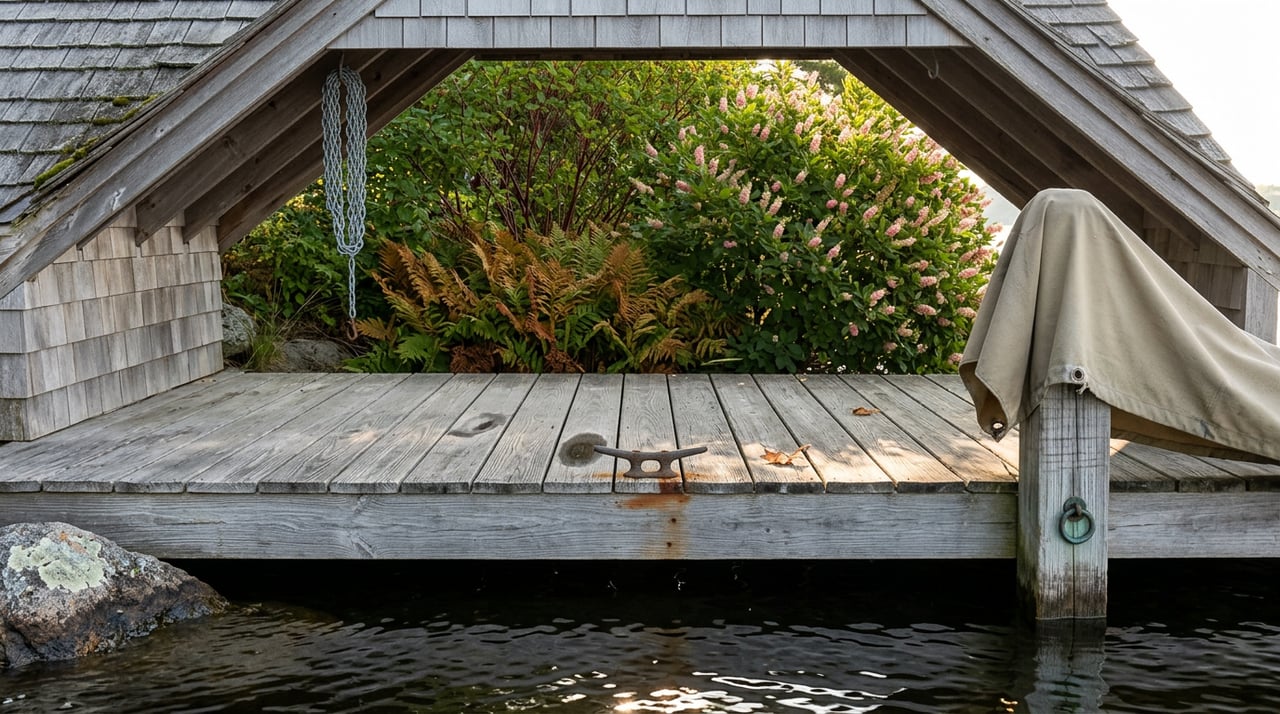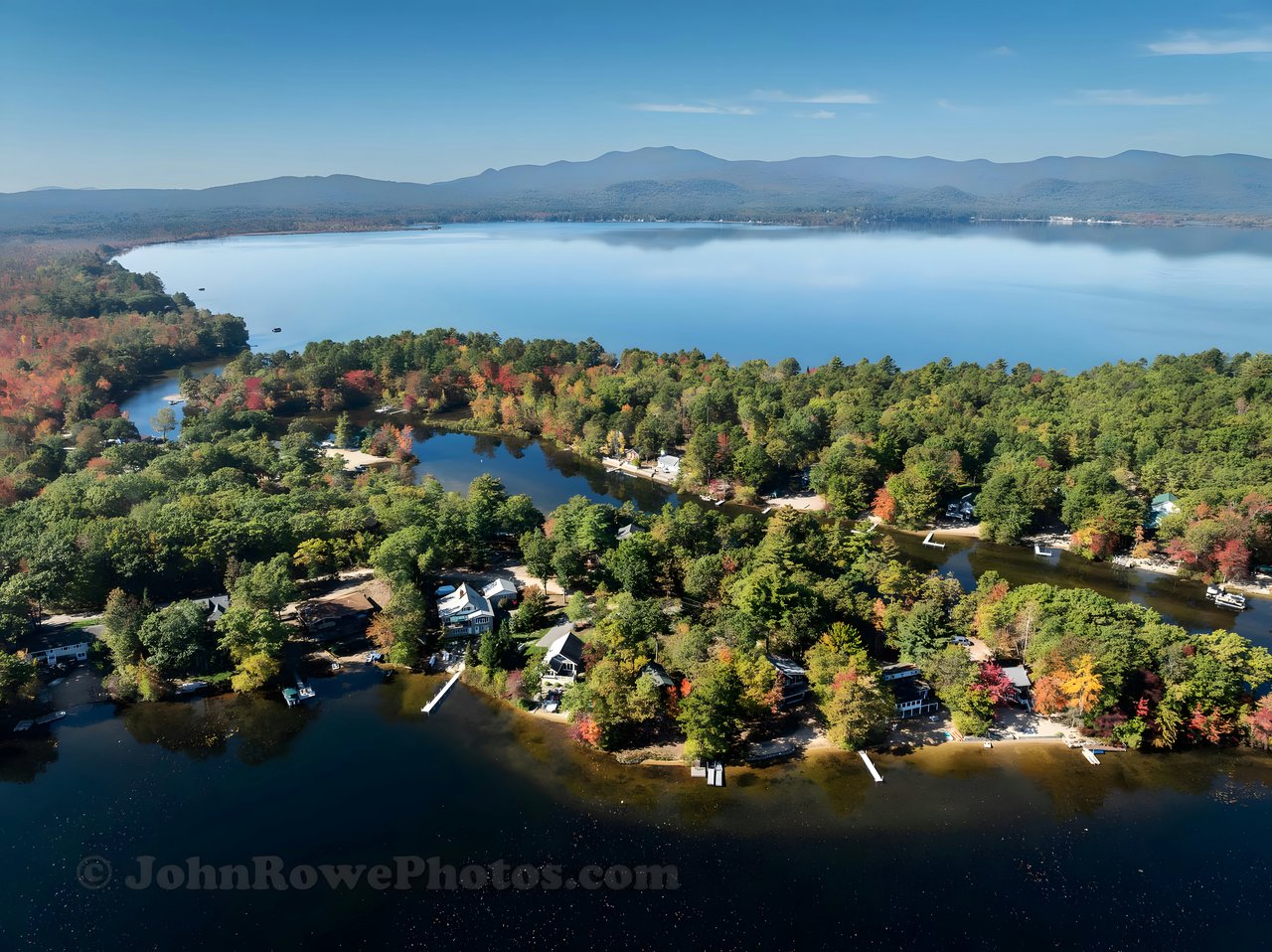
Privacy is one of the most misunderstood parts of buying a lake home in New Hampshire. On a showing day, a property can feel secluded—quiet road, calm water, a treeline between docks—only for reality to show up later in the form of close neighbors, shared access, boat traffic funnels, and shoreline activity that concentrates near launch points.
Looking across these lakes, the pattern is consistent: large, destination lakes can offer true privacy in the right coves and on the right frontage, but they also carry more public access and more movement. Conservation-influenced lakes tend to hold privacy more reliably. Smaller community-style lakes and ponds can feel deceptively “busy” because close lots and shared shoreline infrastructure compress activity into a smaller footprint. The most buyer-friendly privacy experiences usually come from lower shoreline density, larger average frontage, fewer shared access points, and predictable seasonal lift without constant public traffic.
Summary: where privacy holds best—and where it tends to break down
Stronger privacy profiles (more consistent separation):
Squam Lake, Lake Wentworth, Lovell Lake, Lake Kanasatka, Mirror Lake, Lake Winona
Privacy is possible but highly location-dependent:
Lake Winnipesaukee, Lake Ossipee, Great East Lake, Newfound Lake, Crystal Lake, Waukewan, Pine River Pond, Wicwas, Sunset Lake, Belleau Lake
Most likely to feel close-neighbor / shared-shoreline (limited privacy):
Paugus Bay, Merrymeeting Lake, Webster Lake, Lake Opechee, Upper & Lower Suncook, Halfmoon Lake, Sunrise Lake, Rust Pond, Silver Lake (Tilton & Belmont), Locke Lake, Lees Pond, Wakondah Pond, Hill’s Pond, Sawyer Lake
How to read these patterns
-
Shoreline density: how tightly homes are packed along the water
-
Frontage + buffers: whether lots tend to have meaningful separation, trees, or wider waterline
-
Public access + shared docks: where activity concentrates (launches, marinas, community access)
-
Seasonal lift: how much privacy changes when summer use increases
-
Location effects: coves vs main channels, near launch vs away, narrow sections vs open stretches
Lake-by-lake: what privacy feels like
1) Lake Winnipesaukee
Privacy profile: Highly location-dependent.
Some coves and large-frontage properties can feel genuinely private, while many stretches read as close-neighbor, high-traffic shoreline with significant movement—especially near marinas and access corridors. The lake’s scale can create privacy, but access and density can also erase it quickly depending on where you are.
2) Squam Lake
Privacy profile: One of the strongest privacy experiences among large NH lakes.
Lower-to-moderate shoreline density, conservation influence, limited access points, and restrained development patterns make privacy feel more consistent. Even in peak season, it tends to hold a quieter, more protected character.
3) Lake Winnisquam
Privacy profile: Neighborhood-dependent, often more residential than secluded.
Many areas feel close-knit, with smaller average frontage and fewer large buffers between homes. Privacy exists, but it’s more about picking the right pocket than assuming lake size will deliver separation.
4) Newfound Lake
Privacy profile: Balanced—often more private than tourist-driven lakes, not as protected as conservation-focused ones.
Shoreline density is generally moderate, and commercial marina presence is more limited. It can deliver a good mix of livability and privacy, especially away from the more active access-adjacent zones.
5) Lake Ossipee
Privacy profile: Basin-specific and variable.
Some sections feel open and quiet; others cluster seasonally, particularly where access and recreational patterns concentrate. Privacy outcomes depend heavily on the basin and proximity to shared-use areas.
6) Lake Wentworth
Privacy profile: Generally strong, especially away from access areas.
Lower-to-moderate shoreline density with meaningful stretches of lightly developed shoreline and larger parcels in many areas. The overall feel tends to be more separated and calm than many comparably sized lakes.
7) Great East Lake
Privacy profile: Widely variable, especially near cross-state access patterns.
Development clusters exist, and activity can rise near launch points and access zones on both NH and Maine sides. Quieter stretches are real—but location choice matters more than usual.
8) Merrymeeting Lake
Privacy profile: Often limited due to lot proximity and shared-use patterns.
Historic camp-style development means smaller frontage and closer neighbors in many areas. There are quieter pockets, but the baseline is more community-forward than secluded.
9) Paugus Bay
Privacy profile: Limited across most areas due to density and shared waterfront infrastructure.
Heavy development, marinas, public access, shared docks, and concentrated boat traffic reduce separation. Convenience is high; true privacy is harder to find.
10) Silver Lake (Madison)
Privacy profile: Often quieter and more private than larger regional lakes.
Shoreline density is typically moderate with some wooded buffers and fewer shared facilities. It tends to feel more “livable” and less trafficked, particularly on wooded stretches.
11) Lake Waukewan
Privacy profile: Mixed, with density and access shaping the experience.
Developed sections and access-adjacent areas can feel close, while quieter stretches exist depending on location. Expect privacy to be a “where exactly?” conversation here.
12) Webster Lake
Privacy profile: Generally limited by shoreline density, with some quieter pockets.
Residential-scale lots and public access influence shoreline activity. Privacy is possible, but it’s not the default feel in many areas.
13) Pine River Pond
Privacy profile: Location-dependent, especially around access points and narrow sections.
Moderate density overall, with a mix of smaller camps and larger parcels. More separation tends to show up away from launches and constrained shoreline geometry.
14) Lovell Lake
Privacy profile: Often good—especially on larger parcels with natural buffers.
Lower-to-moderate shoreline density and fewer shared facilities help the lake feel quieter and more separated than many peers.
15) Crystal Lake (Gilmanton)
Privacy profile: Variable by segment, influenced by access proximity.
Moderate density, with separation improving in less developed stretches. It’s not uniformly private, but it can deliver strong pockets of quiet.
16) Lake Opechee
Privacy profile: Limited overall due to dense, town-adjacent shoreline.
Smaller lots dominate many stretches, with public access and urban proximity shaping activity. Privacy exists in pockets, but density and accessibility keep the baseline more exposed.
17) Upper Suncook Lake
Privacy profile: Often limited by lot size and close neighbor proximity.
Moderate-to-high density and community-style patterns mean privacy is not consistent. Quieter stretches exist, but overall separation is harder to find.
18) Lake Kanasatka
Privacy profile: Generally good, supported by larger frontage and buffers.
Lower-to-moderate density with fewer shared facilities tends to create a calmer, more private shoreline feel in many areas.
19) Lake Wicwas
Privacy profile: Mixed, with access points driving localized activity.
Moderate density and mixed frontage. More separation tends to come from being away from public access areas.
20) Mirror Lake (Tuftonboro)
Privacy profile: Typically strong for a lake in a high-demand region.
Lower-to-moderate density with larger parcels and natural buffers in many areas. It’s often quieter and more private than nearby larger-lake alternatives.
21) Lower Suncook Lake
Privacy profile: Limited across much of the shoreline.
High density, smaller lots, and shared access patterns compress the experience. Meaningful separation is uncommon.
22) Halfmoon Lake
Privacy profile: Generally limited, with pockets depending on location.
Moderate-to-high density and smaller parcels mean neighbors are often close. Public access tends to raise activity near certain shorelines.
23) Lake Pemigewasset
Privacy profile: Often limited, especially where connectivity and access shape use.
Moderate-to-high density in many sections, with activity influenced by access points and river-connected patterns. Quieter stretches exist, but they’re not uniform.
24) Sunrise Lake
Privacy profile: Limited due to dense residential development and shared infrastructure.
High density and shared-use patterns reduce separation. This is typically a community-forward lake rather than a privacy-first one.
25) Sunset Lake (Alton)
Privacy profile: Mixed—privacy improves away from access points.
Moderate density with smaller-to-mixed parcels. Location choice is the difference between “close neighbor lake” and “quiet pocket.”
26) Rust Pond
Privacy profile: Often limited by small lots and shared shoreline use.
Moderate-to-high density, and pond scale can make activity feel more concentrated. Better separation tends to come from being away from shared access points.
27) Silver Lake (Tilton & Belmont)
Privacy profile: Generally limited by dense shoreline development.
High density and residential-scale parcels dominate. Convenience is strong, but privacy is harder to protect in many areas.
28) Hermit Lake
Privacy profile: Moderate and location-dependent.
Moderate density with smaller-to-mixed parcels. Expect a fairly typical “choose your stretch carefully” privacy outcome.
29) Lake Winona
Privacy profile: Often better than many small lakes, with meaningful quiet.
Lower-to-moderate density and larger parcels than many nearby small lakes help create stronger separation and a calmer feel.
30) Locke Lake
Privacy profile: Limited across most of the lake due to community-style density.
High density, very small lots, and extensive shared-access infrastructure create an active shoreline with limited separation—especially in peak season.
31) Belleau Lake
Privacy profile: Variable, with quieter pockets away from access points.
Moderate density and mixed parcels. Privacy is possible, but it’s stretch-specific rather than uniform.
32) Lees Pond
Privacy profile: Limited due to very small parcels and compact shoreline scale.
High density relative to size means neighbors are often close, and activity can feel amplified even when overall traffic isn’t extreme.
33) Wakondah Pond
Privacy profile: Minimal in most areas due to dense development and pond scale.
Very small lots and shared access patterns compress the experience. Separation is the exception, not the rule.
34) Hill’s Pond
Privacy profile: Limited—pond scale + density + shared shoreline use.
Small-lot development and shared access increase visible activity and reduce buffers.
35) Sawyer Lake
Privacy profile: Limited overall due to compact development patterns.
High density relative to lake size and small parcels mean close neighbors are common, and separation is hard to maintain.
FAQ: Privacy and shoreline reality on NH lakes
Why can a lake house feel private during a showing—but not after buying?
Because showings often happen off-peak, midweek, or outside the highest-use windows. Privacy changes dramatically with seasonal lift, boating traffic patterns, and how much activity concentrates near access points and shared docks.
Is a bigger lake always more private?
Not automatically. Larger lakes can offer secluded coves and bigger-frontage properties, but they often also have more marinas, more public access, and more water traffic corridors. Privacy depends on where on the lake you are—not just the lake’s size.
What matters more: shoreline density or public access?
Both matter, but they affect privacy differently. Density determines how close neighbors are day-to-day. Public access and marinas determine how much “through traffic” (boats, noise, movement) you’ll see—especially in peak season.
Are small lakes and ponds always quieter and more private?
No. Small water can concentrate activity. Even moderate use can feel intense when lots are small, homes are close, and the shoreline is compact. Pond-scale development patterns often matter more than the number of boats.
How can I screen for better privacy before making an offer?
Treat it like a location audit:
-
Look for lower density stretches and larger frontage
-
Map public launch points, marinas, and community docks
-
Favor shorelines away from funnels, narrows, and main traffic routes
-
If possible, visit on a July or August weekend to see the true version of the lake
Which lakes tend to deliver the most consistent “privacy-first” ownership experience?
Lakes with lower-to-moderate shoreline density, fewer shared facilities, and reliable buffers tend to hold privacy better—especially conservation-influenced or lightly developed shorelines.