Two waterfront homes on the same shoreline can command very different prices. If you are exploring Lake Winnipesaukee’s 44,400 acres, you have likely noticed that some listings soar while others sit. That is because a few specific features drive value more than anything else. In this guide, you will learn the core price drivers and how to evaluate them like a pro so you can buy or sell with confidence. Let’s dive in.
Price drivers on Winnipesaukee
Lineal frontage: quality over footage
More shoreline usually means more privacy, more view angles, and the potential for multiple slips. Still, not all frontage is equal. Usable frontage matters more than a raw number on a survey. Ledges, wetlands, steep banks, and shallow water can reduce how you actually use the shoreline. Also, the first 50 to 100 feet often changes utility the most, while very high totals see diminishing returns.
What to check:
- Survey and deed for accurate, contiguous frontage.
- Shoreline configuration and topography for true usability.
- Water depth and bottom conditions near potential dock sites.
Dock rights: convenience and control
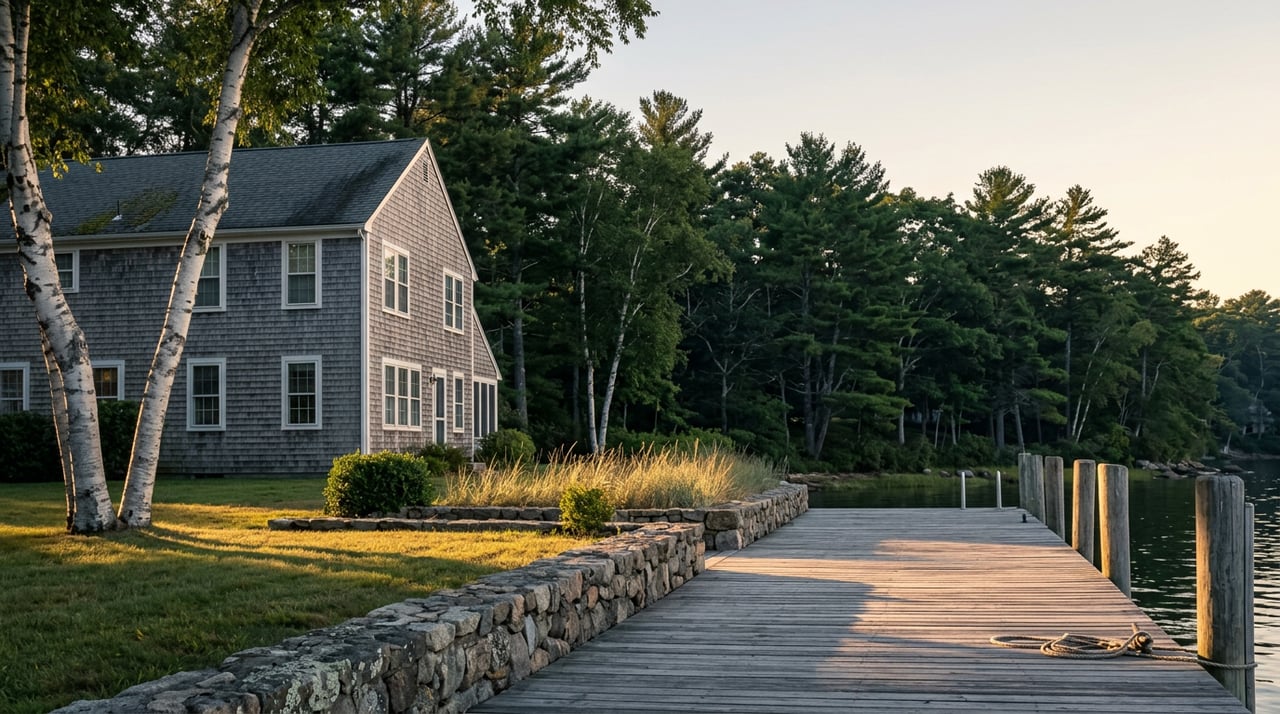
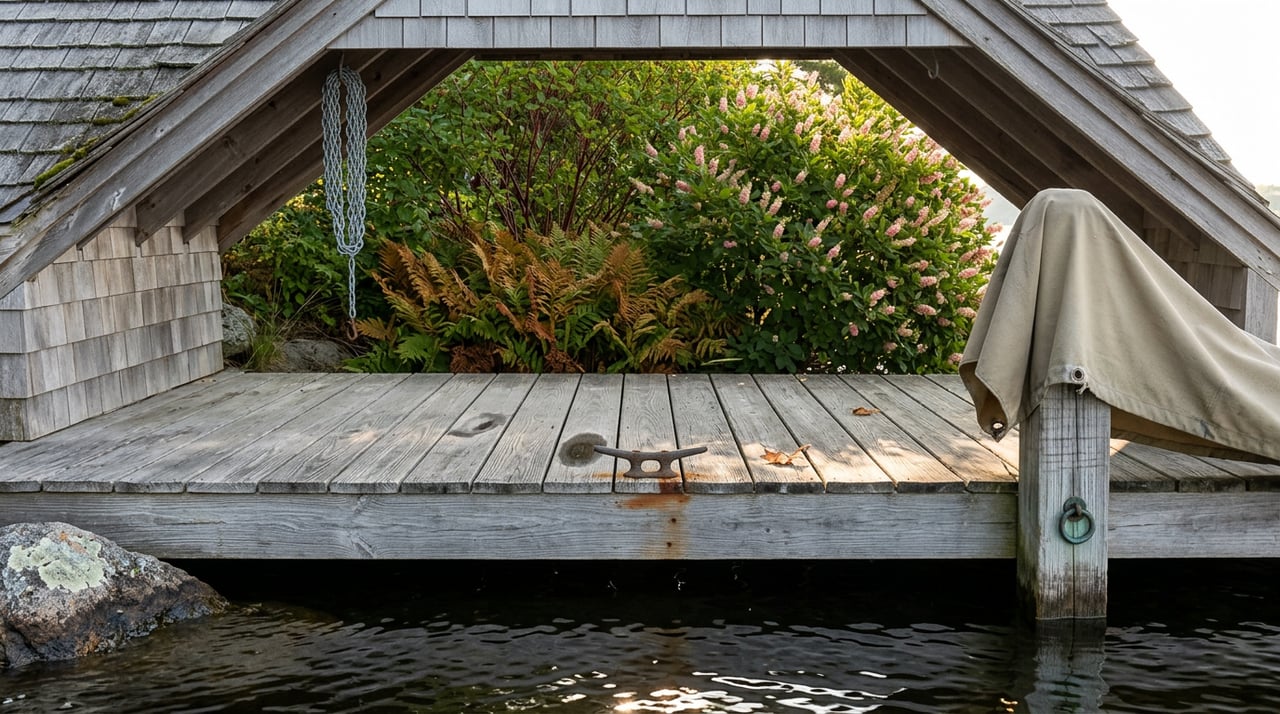
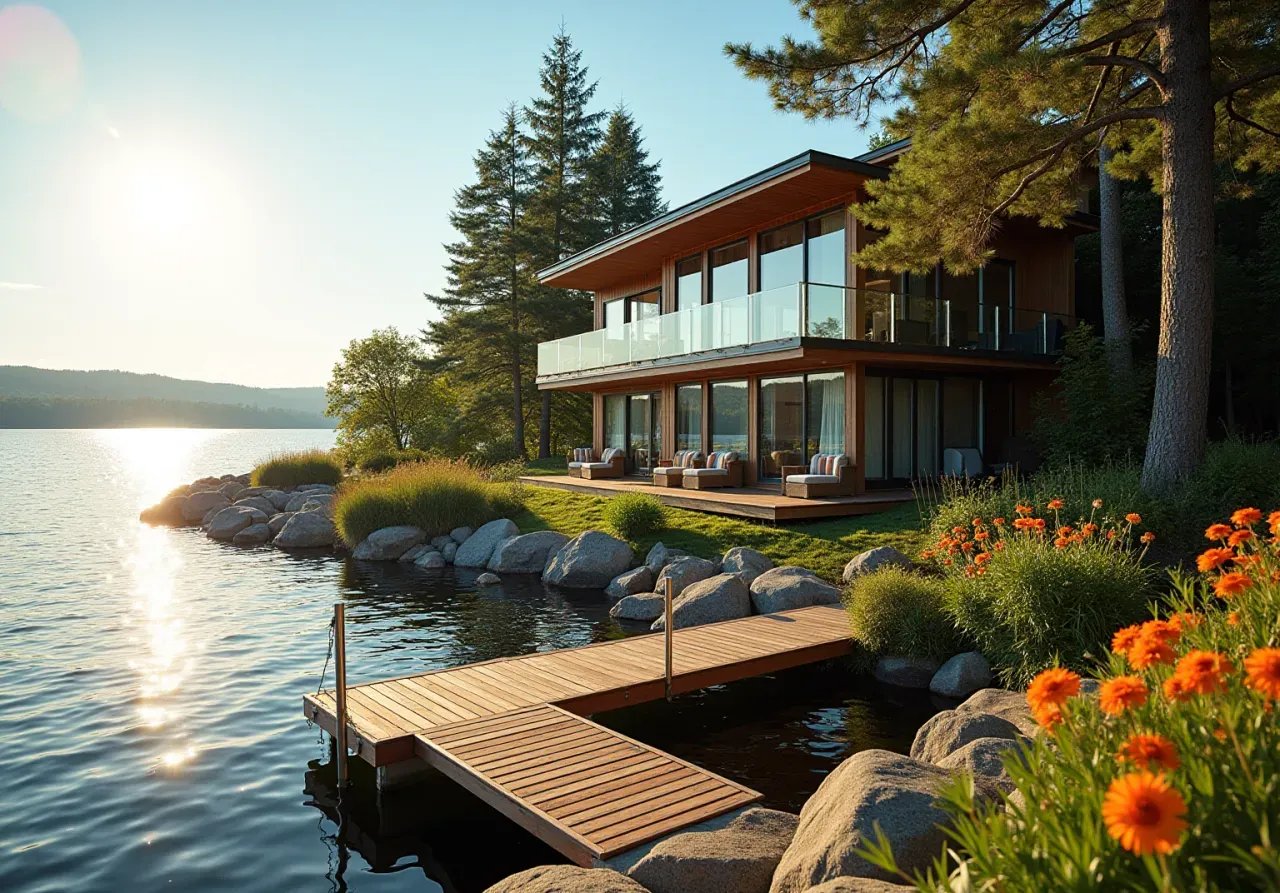
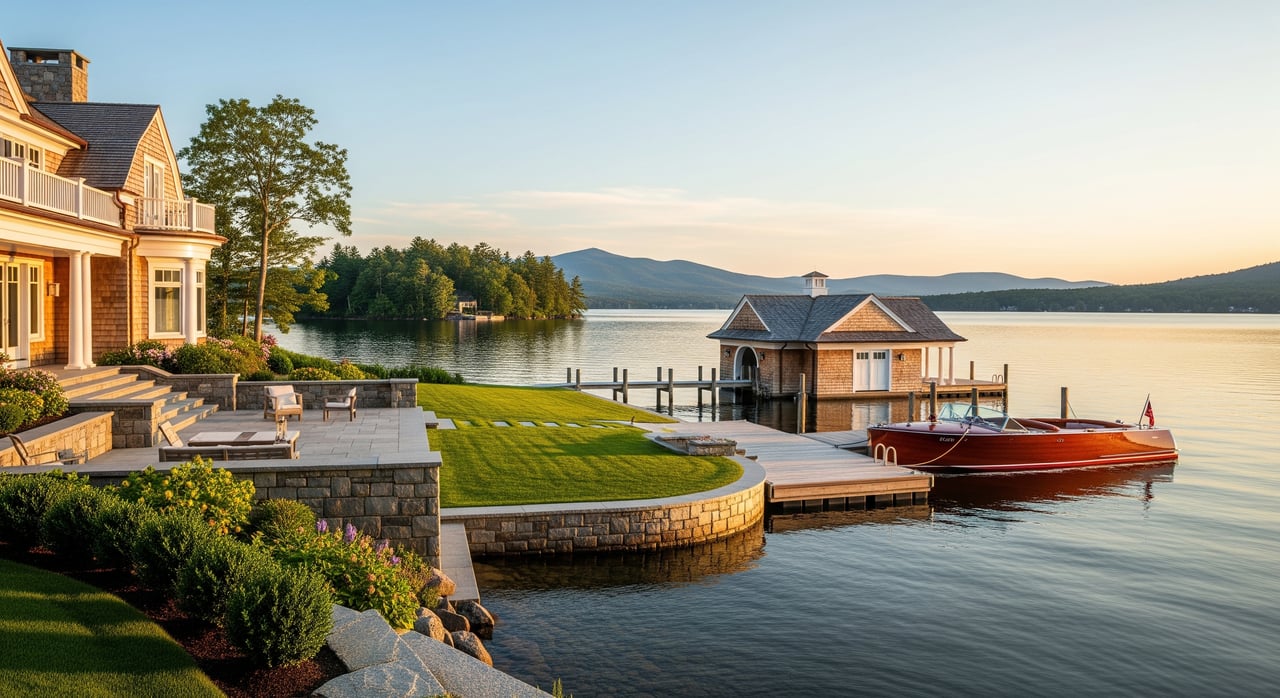
A private, permitted dock is often the single most valuable waterfront amenity. It turns the shoreline into daily boating access and sets the tone for family use and guest experience. Shared docks and marina slips add convenience, but they rarely match the control and immediacy of a deeded dock on your property.
What to check:
- Type of right: deeded private dock, shared dock, or no-dock with marina alternatives.
- Permitting status and compliance with NHDES and local approvals.
- Slip count limits, water depth, and seasonal removal or maintenance requirements.
Exposure: views, sun, and wave action
Exposure shapes everyday living. Open-lake settings deliver big views and broad sun, but they can bring higher winds, larger waves, and more boat traffic. Protected coves offer calmer water for swimming and paddling, which many families prefer. Orientation matters too. Southern exposure provides more sun and a warmer feel, while western exposure makes evenings glow.
What to check:
- View corridors and prevailing wind patterns.
- Wave energy and its effect on docks and shoreline stabilization.
- Boat traffic, noise, and navigational ease.
Island vs mainland: lifestyle tradeoffs
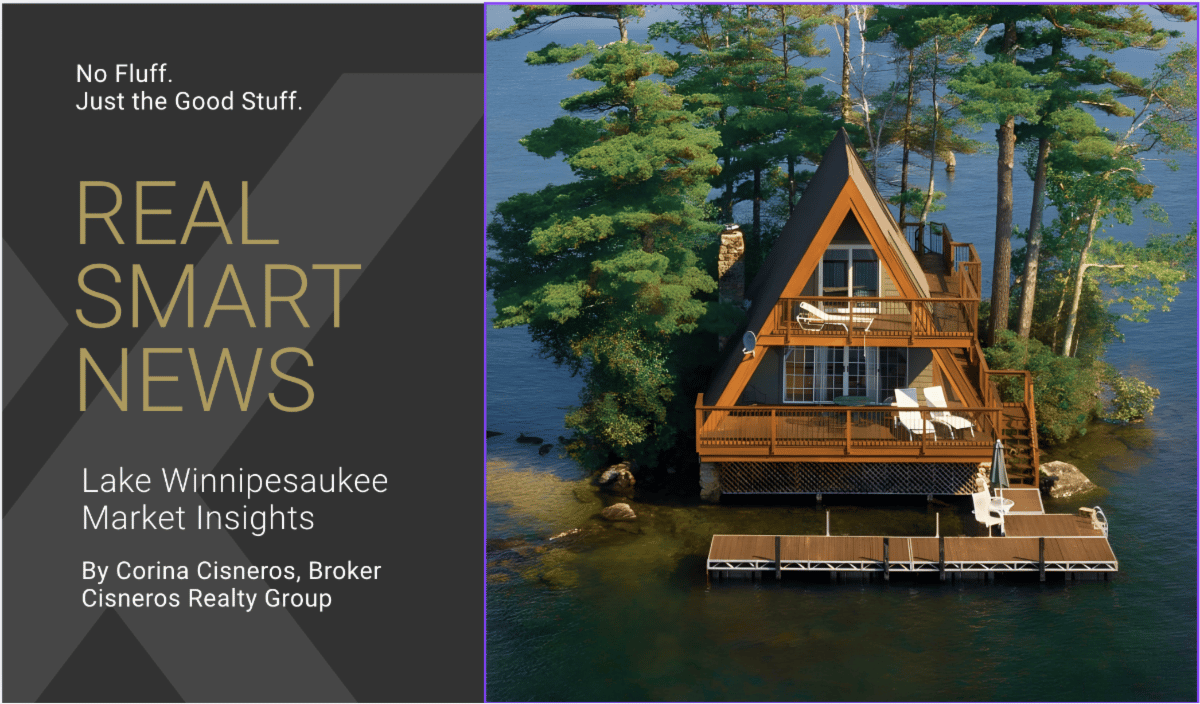
Islands offer privacy, romance, and a rare lifestyle. They also require boat-only access and more planning for services, materials, and emergencies. Mainland properties provide year-round road access, simpler logistics, and easier construction and service calls. Your choice depends on how you plan to live and how often you and your guests come and go.
What to check:
- Reliability of utilities, septic capacity, and any off-grid systems.
- Access arrangements, easements, and service logistics.
- Insurance, transport, and seasonal operating costs.
Privacy and site: setting shapes value
Privacy comes from setbacks, elevation, tree cover, and distance from neighbors. Elevated sites can improve views and reduce flood risk, but steep slopes may be harder and more costly to build on. Mature trees help with screening, but they may limit view potential unless selective clearing is allowed.
What to check:
- Current screening and the likelihood it will remain over time.
- Neighboring lot development potential and density.
- Buildability and site work costs on sloped or ledge-heavy terrain.
Amenity access: marinas, villages, and beaches
Being close to marinas, public launches, and walkable village centers increases everyday utility and rental appeal. Meredith and Wolfeboro offer sought-after village access and dining, while hubs like Weirs Beach buzz in peak season. Convenience can come with tradeoffs such as more traffic and noise. It is about choosing the rhythm that fits your lifestyle.
What to check:
- Distance to marinas, municipal beaches, and public launches.
- Travel time to village centers, shops, and restaurants.
- Seasonal traffic patterns on water and on land.
Micro-markets and town differences
Lake Winnipesaukee spans several towns, each with its own tax rates, services, and permitting culture. Open-lake points with panoramic views often command premiums, while protected coves appeal to swimmers and paddlers seeking quiet water. Properties near village centers can see added demand from buyers who want convenience and rental potential. Northern and less-developed shores may feel more secluded, while southern and more serviced areas offer quicker access to amenities. Always verify the specific town’s assessor data, zoning, and planning rules for your parcel.
Permits, septic, and shoreline rules
Waterfront improvements interact with local and state regulations. Shoreland and wetlands rules influence docks, boathouses, and shoreline stabilization. Similar proposals can have different outcomes across towns. Septic systems often set the ceiling on bedroom count and expansion plans, and older systems may need upgrades. Floodplain mapping and site exposure can affect insurance and structural requirements. It is smart to account for potential permitting timelines, which can add weeks or months to your plan.
Key items to verify:
- Shoreland and wetlands requirements from the state and your town’s conservation and planning boards.
- Septic location, capacity, and inspection history.
- Floodplain status, shoreline stabilization needs, and insurance implications.
- Any invasive species or water-quality notes from local lake groups.
How valuation works in practice
Appraisers and experienced buyers start with comparable sales in the same micro-market, then adjust for functional differences. Frontage sets a baseline, but usable shoreline, dock rights, exposure, and privacy move the number. Orientation, view quality, and buildability matter. For rental-oriented homes, projected income and occupancy inform value. Replacement or repair costs for docks, seawalls, and site work, plus any deferred maintenance, are factored in.
Practical takeaways:
- Treat frontage and dock rights as your foundation.
- Adjust for exposure, orientation, privacy, and access to amenities.
- Verify septic and buildability before setting price expectations.
- Consider lifestyle fit: open-lake energy vs quiet cove calm.
Buyer checklist: de-risk your purchase
- Confirm deeded dock rights and current permits; verify transferability.
- Order a recent survey; confirm measured vs usable frontage.
- Obtain septic inspection, soil data, and bedroom capacity.
- Review town permit history, assessor records, and taxes.
- Assess exposure, orientation, and shoreline stabilization needs.
- Review lake association updates on water quality and invasive species.
Seller checklist: position for maximum value
- Compile permits, dock approvals, and septic inspection records.
- Provide a recent survey and clarify shared rights or easements.
- Service, repair, or document dock and shoreline work.
- Enhance approach and shoreline access for showings while maintaining privacy.
- Prepare a simple property dossier: utilities, recent improvements, and seasonal operating notes.
What moves price the most
- Strong, usable frontage with a compliant, private dock usually drives the largest premium.
- Open-lake big views and sunny southern or western exposure elevate perceived value.
- Protected coves trade top-tier views for calm water and family-friendly use.
- Island privacy can command interest, but logistics and utilities narrow the buyer pool.
- Proximity to village centers and marinas increases convenience and potential rental demand.
Your next step
Every shoreline is unique. The right strategy blends measurable features with on-the-ground realities like permitting, seasonal patterns, and micro-market demand. If you want discreet, tailored guidance for buying or selling on Winnipesaukee, request a private conversation with the team at Cisneros Realty Group. We will help you translate frontage, dock rights, and exposure into a clear plan that fits your life. Request an invitation today.
FAQs
How do lineal frontage differences impact price on Lake Winnipesaukee?
- The first increases in usable frontage often have the biggest impact, while very high totals see diminishing returns; the actual effect depends on usability and exposure.
Are private docks worth more than marina slips on Winnipesaukee?
- Generally yes, because private docks provide direct access and control, though full-service marinas still deliver value for some buyers.
Do islands on Lake Winnipesaukee always command a premium?
- Not always; island privacy appeals to many, but access, utilities, and service logistics can offset price and narrow the buyer pool.
How long can permitting add to a Winnipesaukee project timeline?
- Shoreline and dock permits can add weeks to months depending on the proposal and the town’s process.
Which Winnipesaukee areas see the most demand today?
- Village-proximate locations with strong boating access often draw high interest, but demand shifts with seasonality and available inventory.