Looking at Lake Winnisquam for a lakefront investment but unsure how rentals actually perform here? You are not alone. The lake's quieter vibe is appealing, yet returns hinge on seasonality, zoning, and shoreline rules that many investors miss. In this guide you will learn how demand really behaves, what local ordinances allow, and the physical and permitting risks that affect yield. Let's dive in.
Why Winnisquam attracts investors
Lake Winnisquam sits just south of Winnipesaukee and draws travelers seeking a lower-density lake experience. Summer is the clear revenue engine, with shoulder-season pockets from foliage, concerts, and ski weekends. Regional planning documents frame the watershed, recreation uses, and town roles around the shoreline, which helps explain demand patterns and where rules bite most for investors. For planning context, review the Lake Winnisquam Watershed-Based Plan.
Market demand and seasonality
Short-term rental performance near Winnisquam is highly seasonal. Laconia's STR data shows roughly mid-40s to low-50s percent annual occupancy and ADRs in the few-hundreds for whole-home lake properties. Belmont displays a smaller sample with higher ADRs but similar seasonality. Use market tools to validate your specific property class and shoreline position. See the Laconia snapshot in MarketMinder/AirDNA.
Key takeaways:
- Summer drives most revenue. Expect 12 to 14 peak weeks to carry the year.
- Off-season ADR compresses quickly. Underwrite conservatively outside June through August.
- Location matters. True shorefront, quality docks, and easy water access price at a premium.
Example underwriting snapshots
AirDNA indicates a Laconia market median occupancy near 49% and a median ADR around $321. Use that as a neutral baseline, then stress test. Below is a simple illustration that excludes cleaning fees, taxes, and management costs.
| Scenario | Nights Counted | Occupancy | ADR | Illustrative Gross |
|---|---|---|---|---|
| Peak-weighted example | 98 nights (14 weeks) | 80% | $321 | ~$25,200 |
| Blended year at median | 365 nights | 49% | $321 | ~$57,400 |
Source: AirDNA MarketMinder, Laconia. Actual results vary by shoreline, home class, and amenities. Model both peak-weighted and blended scenarios, then haircut occupancy 20 to 40 percent below comps for a conservative view.
What drives bookings here
- Lake access and water quality, which anchor family vacations.
- Event and resort adjacency. Proximity to regional draws like concerts at BankNH Pavilion, ski days at Gunstock, and major Laconia events creates short demand bursts.
- Calm, low-density feel compared with larger lakes, which supports premium summer pricing. The watershed plan offers helpful recreational context.
Property types and constraints
Common assets on Winnisquam
- Waterfront cottages and legacy camps, often on smaller lots.
- Renovated year-round lake homes converted from seasonal structures.
- Condo or shared-access communities with association beaches or docks.
- Occasional multi-cottage compounds with deeded slips. Scarce and prized when permits are in place.
On-lot realities that change returns
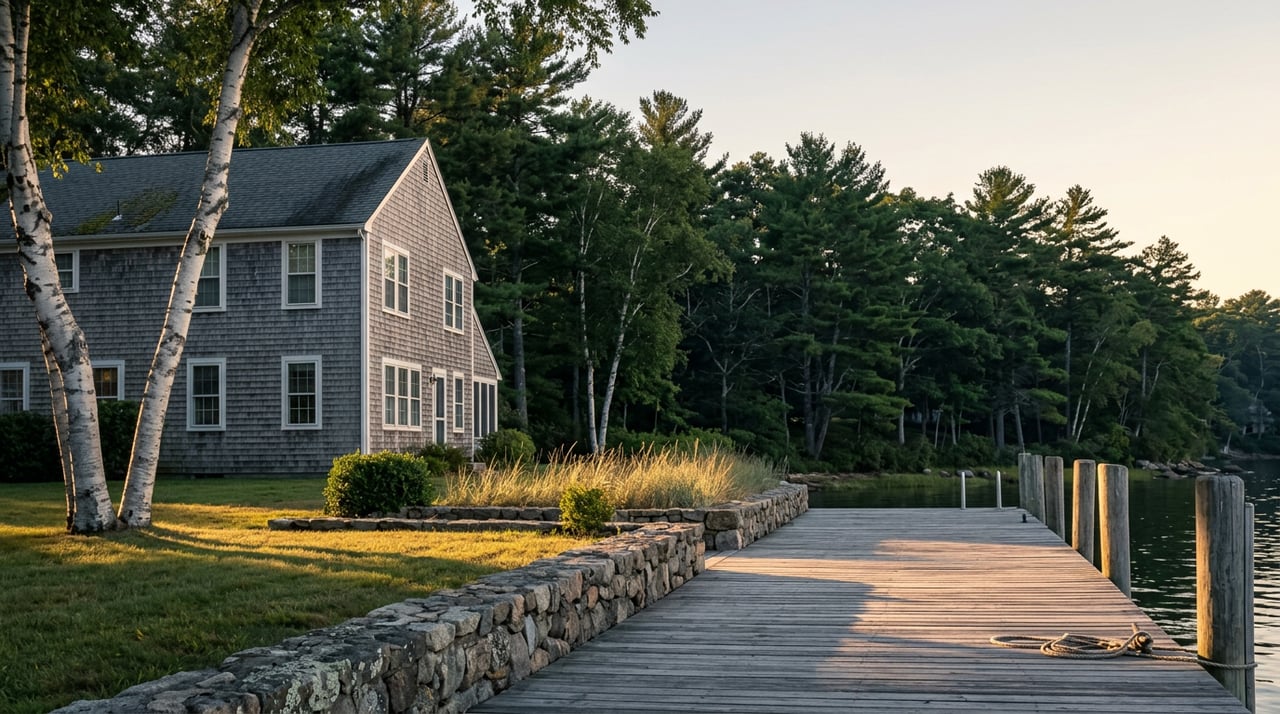
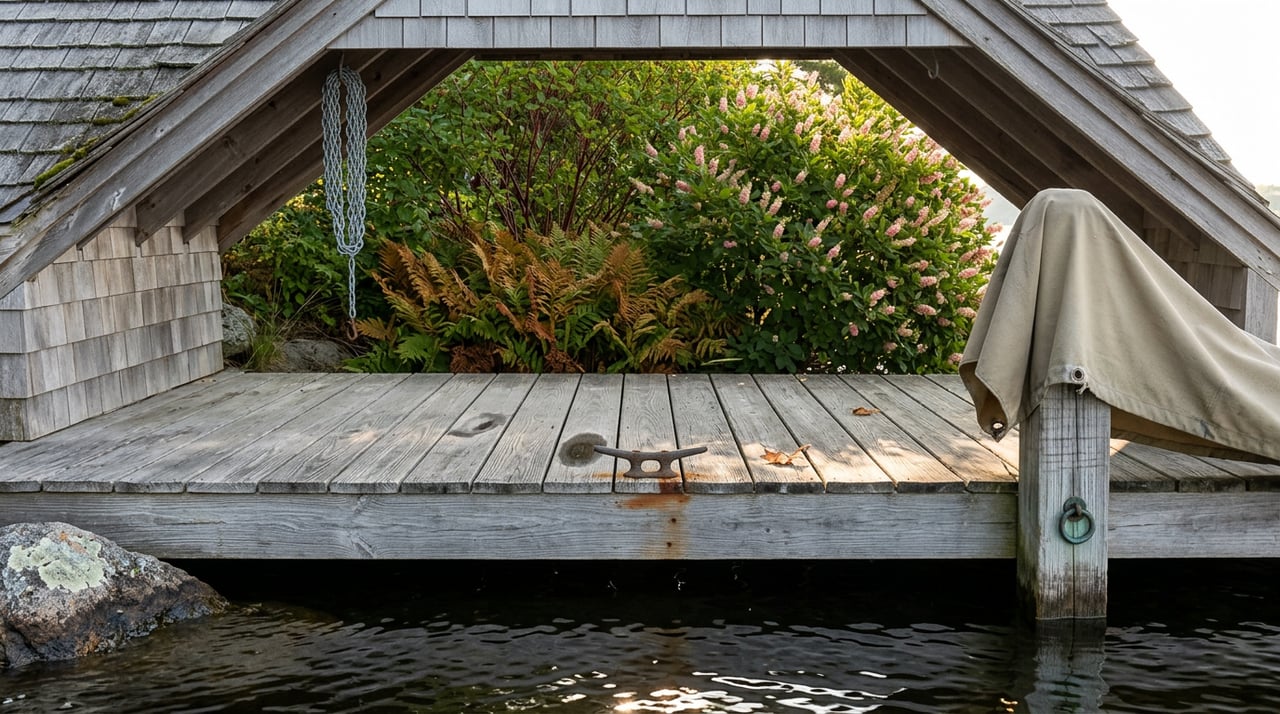
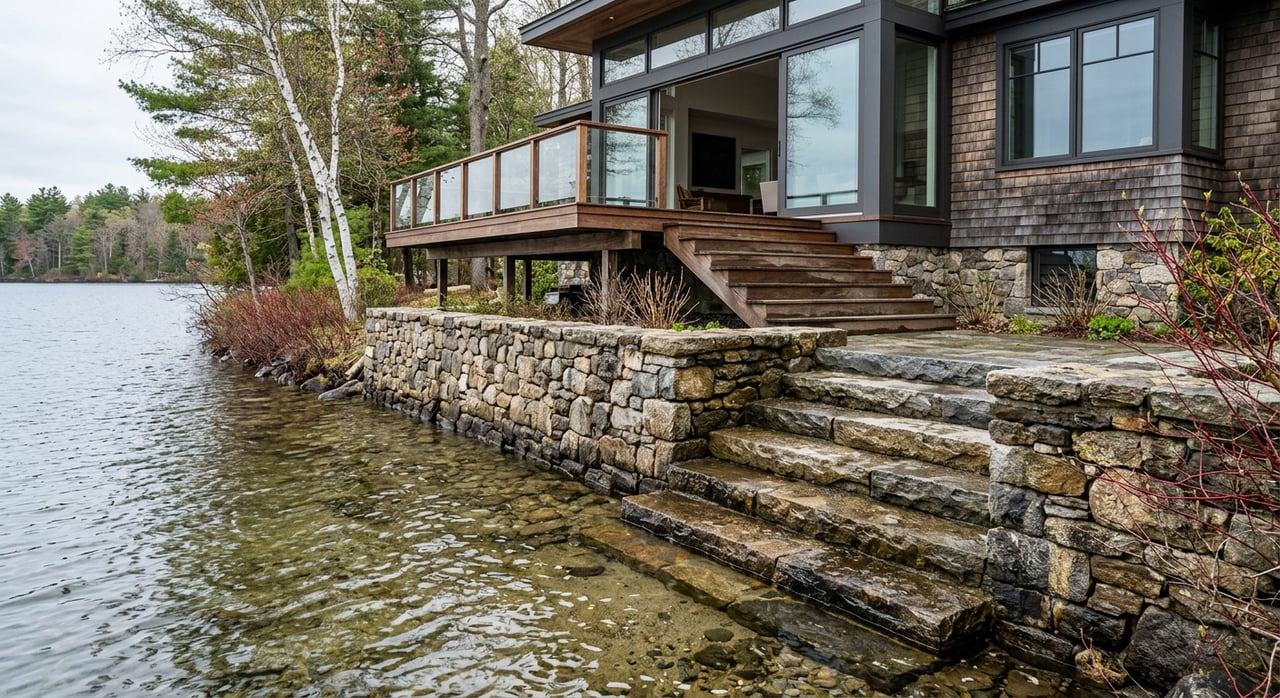
Docks, boathouses, and moorings are not automatic with a parcel. Many require prior permits, association approvals, or state authorization. Dock work typically falls under wetlands and dredge and fill review. See New Hampshire Env-Wt rules from NHDES for docks and water-dependent structures (Env-Wt 600 series).
Septic capacity often caps guest counts. Older camps may not support high occupancy without upgrades. Confirm as-builts and design flow early.
Setbacks and buffers are strict in protected shoreland. The Shoreland Water Quality Protection Act sets baseline limits within 250 feet of public waters, including a 50-foot primary building line. Towns can be stricter. Review RSA 483-B.
Practical note: a listing may read "waterfront," yet lack deeded dock or mooring rights. Verify slips, moorings, and association rules in writing before you price the deal.
Town STR rules you must know
Laconia: where STRs are allowed
Laconia regulates "Short-Term Lodging" through zoning. Non-owner STRs are allowed by right only in specific zones, such as Commercial Resort and Shorefront Residential. In many other zones, STRs are prohibited unless the property is owner-occupied for at least 150 days per year and used as an accessory STR. Seasonal dwellings face separate limits, and joint fire/building inspections plus two-year administrative approvals apply. Read the city's Short-Term Lodging Ordinance.
Laconia has also reviewed updates to its STR framework in 2024 and 2025. Before you purchase, confirm the current live ordinance and any recent amendments or enforcement changes with Planning. See reporting on the Planning Board rewrite and new occupancy standards for context (summary of rewrite approval).
Belmont and Sanbornton: what to expect
Rules vary. Some towns use permits and inspections, some regulate STRs by zoning district, and others require special exceptions. There is no single watershed-wide standard. Use the Lake Winnisquam Watershed-Based Plan as a starting point to understand each town's shoreland districts and code structure, then call the planning or building office for parcel-specific guidance (watershed ordinance context).
Operational reality: zoning can convert a great lakefront find into a seasonal-only or owner-occupied asset. Verify zoning, any grandfathered approvals, and HOA restrictions before you offer.
Shoreline permitting that slows deals
State shoreland baseline
New Hampshire's Shoreland Water Quality Protection Act governs land within 250 feet of public waters. It sets minimum structure setbacks, vegetation limits, and fertilizer rules. Towns may add stricter overlay districts. Start with the statute, then layer on local code to understand what is feasible on your lot (RSA 483-B overview).
Docks, boathouses, and earthwork
Water-dependent structures often require NHDES review and authorization under Env-Wt. In-kind maintenance can be treated differently from a new build, but any footprint change usually triggers a permit. Expect lead times and possible mitigation. Review the Env-Wt rules for docks and related work.
Significant earth changes, such as shoreline hardening, sand placement, or driveway expansion, can trigger wetlands or Alteration of Terrain review. Build time and budget for engineering and potential hearings. See a representative state stormwater permit reference here (2022 Construction General Permit).
Physical and insurance risks to price in
Ice, winterization, and storms
Seasonal docks are typically removed before ice-in. Permanent installations may need de-icers and can carry higher maintenance and insurance. Freeze and ice shove can damage docks, stairs, and shallow seawalls. Budget annual dock handling and a contingency for repairs. For practical ownership notes on winterization and insurance, see this FAQ overview.
Flood exposure varies by parcel. Even if your lot is outside mapped special flood hazard areas, low-lying zones can see erosion or wave action in extreme events. Confirm elevation, driveway access in heavy snow, and carrier requirements for seasonal or vacant periods.
Septic and occupancy caps
Guest counts drive revenue but also drive septic loads. Health or building officials may require proof of design flow to support higher occupancies. Upgrades can be a five-figure or higher line item with multi-month timelines. Price this into your hold plan early.
Working rule of thumb: underwrite to conservative occupancy, hold a 10 to 15 percent revenue reserve for capex and compliance, and create a separate capital line for docks, septic, and shoreline work.
Holding strategy and exit profile
Buy and hold with seasonal STR yield, then rely on long-term appreciation driven by lakefront scarcity. Typical investor holds run 5 to 15 years.
Value-add by converting a seasonal camp to year-round use or by upgrading waterfront amenities that move ADR. Always sequence work around shoreland rules and permit cycles.
Exit paths include brokered resale to another lake buyer, a pivot to long-term rental if rules tighten, or sale to an owner-occupant. Compare liquidity against other Lakes Region towns when you set exit price assumptions.
Due-diligence checklist
- Confirm municipal zoning and STR eligibility for the exact parcel. Start with Laconia's Short-Term Lodging Ordinance and call Planning for current interpretations.
- Request any prior STR permits, enforcement actions, and records of special exceptions or grandfathering.
- Pull NHDES wetland and water-dependent permit history. Verify dock and boathouse status under Env-Wt rules.
- Order septic as-builts and a design review. Estimate upgrade costs for your target occupancy.
- Build revenue models with median and top-quartile comps, then stress test with lower occupancy. Use AirDNA Laconia as a benchmark.
- Obtain insurance pre-quotes that include dock and vacancy riders. Confirm winterization requirements.
- Commission a shoreline or site survey, verify the high water line, and check flood maps and local elevations.
- Add time and budget buffers for permits, public hearings, and seasonal dock work.
Final thoughts
Lake Winnisquam can deliver attractive peak-season yields with quieter surroundings than its larger neighbor. The same qualities that make it special also require precise underwriting. Zoning, shoreline rules, and physical realities decide which assets perform at the top of the market. If you approach the lake with a disciplined checklist and realistic models, you can capture the summer premium while protecting your downside.
If you are considering a portfolio purchase or a single trophy lake home, connect for discreet, high-touch guidance. Request an invitation with Cisneros Realty Group to evaluate parcels, model scenarios, and align your acquisition with permitting and STR realities.
FAQs
What is typical STR performance near Lake Winnisquam?
- Market snapshots for nearby Laconia show roughly mid-40s to low-50s percent annual occupancy and a median ADR around $321 for whole-home listings. See AirDNA Laconia for current figures.
Where are non-owner STRs allowed in Laconia?
- Non-owner STRs are permitted by right only in certain zones such as Commercial Resort and Shorefront Residential, while many other zones require owner-occupancy for accessory STRs. Review the city's Short-Term Lodging Ordinance and confirm zoning for the parcel.
Do I need a permit to add or expand a dock on Winnisquam?
- Yes. Most dock or boathouse changes require NHDES review under wetlands and dredge and fill rules, and any change in footprint typically triggers a permit. See the Env-Wt docks rules and plan for lead time.
How do New Hampshire shoreland rules affect renovations?
- The Shoreland Water Quality Protection Act sets minimum standards within 250 feet of the water, including a 50-foot primary setback and vegetation limits, and local rules can be stricter. Start with RSA 483-B and then review town overlays.
What are the biggest hidden costs for a Winnisquam STR?
- Dock removal and installation, ice damage repairs, septic upgrades for higher occupancy, and compliance costs tied to inspections and permits are common. Build a 10 to 15 percent revenue reserve and a separate capital line for shoreline systems.
How should I model revenue seasonality on Winnisquam?
- Create two cases: a peak-weighted model with 12 to 14 high-ADR weeks and a blended annual model using market medians. Use AirDNA Laconia as a benchmark and haircut occupancy for conservatism.