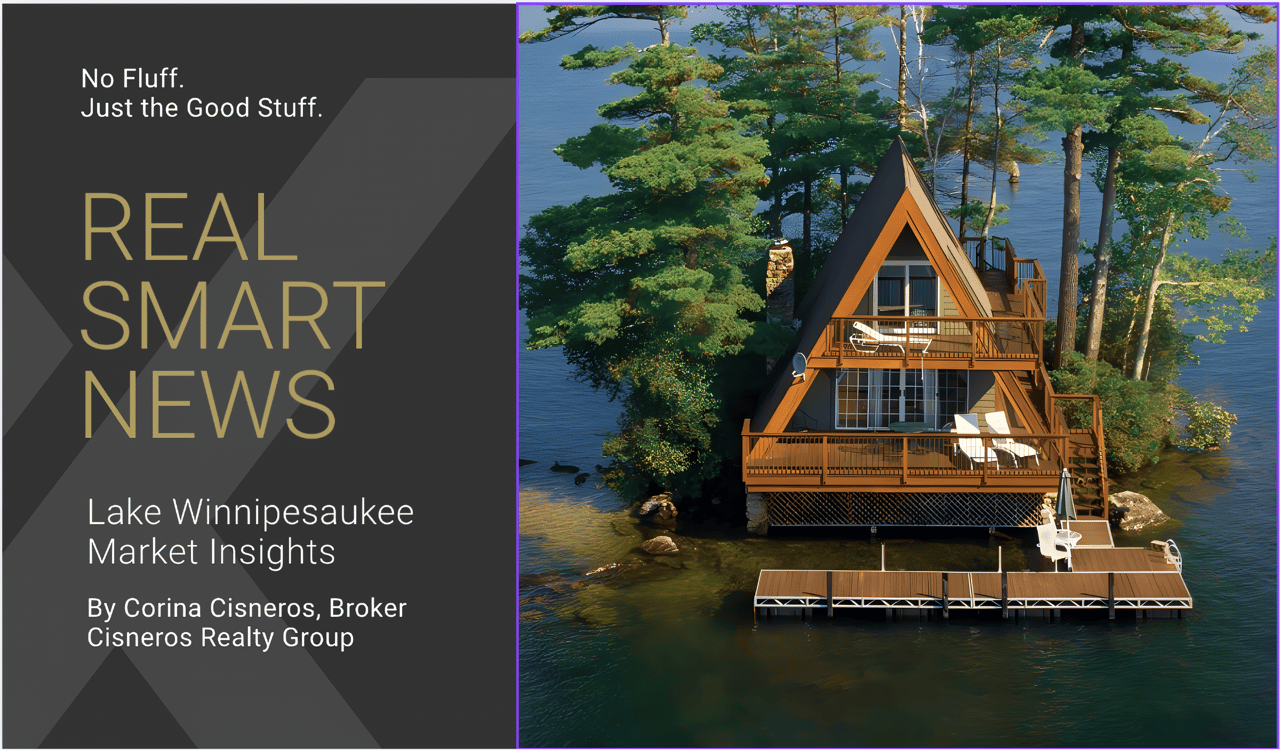
Choosing between Lake Winnisquam and Lake Winnipesaukee for a second home is not just about picking a prettier view. It is about how you want to spend your time, how much activity you want around you, and what kind of waterfront ownership experience fits your life. If you are weighing these two Lakes Region options, this guide will help you compare pace, boating, convenience, property character, and long-term considerations so you can make a clearer decision. Let's dive in.
Lake size shapes the whole experience
The biggest difference between these lakes is scale, and that difference affects almost everything else. Lake Winnisquam covers about 6.5 square miles, with 28.2 miles of shoreline and five islands. Lake Winnipesaukee is far larger, with 44,586 acres of surface area, 240 miles of shoreline, and about 250 islands.
That size gap helps explain why the lakes feel so different in real life. Winnisquam tends to feel more compact, quieter, and easier to learn. Winnipesaukee feels broader, busier, and more destination-driven, with many shoreline villages and a much larger developed waterfront footprint.
Why second-home buyers choose Winnisquam
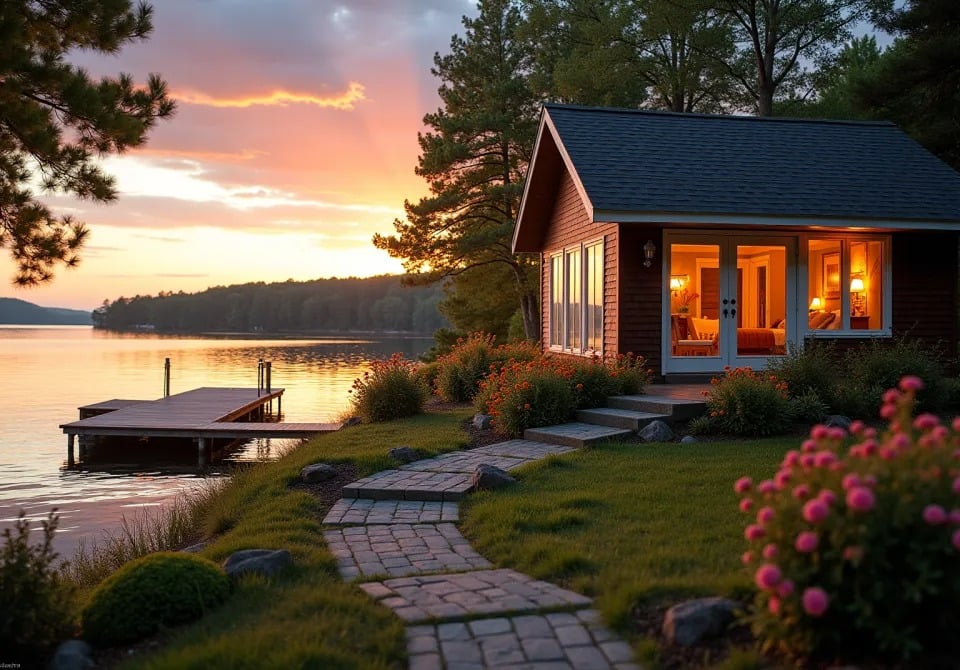
If you want a calmer lake rhythm, Winnisquam often stands out right away. The Lakes Region Tourism Association describes it as a quiet, laid-back lake experience. For many second-home buyers, that translates into easier weekends, less commotion on the water, and a more relaxed day-to-day setting.
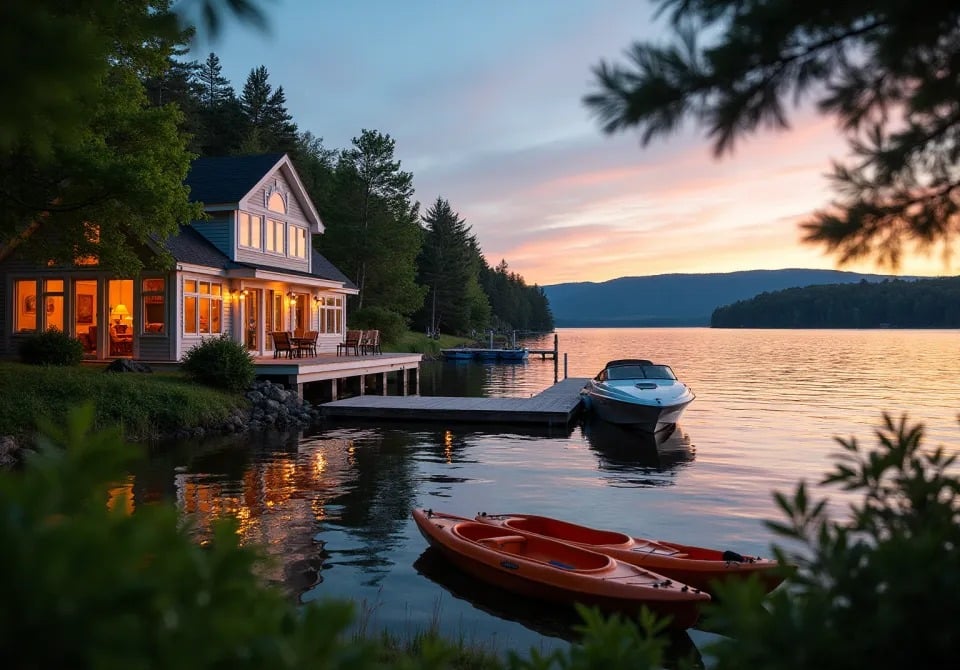
Winnisquam is especially appealing if your ideal lake day includes lower-key recreation. Slower traffic makes it a natural fit for kayaks, canoes, and stand-up paddleboards. The lake also offers a public launch with two ramps and a floating dock, along with access points and recreation areas like Ahern State Park, Bartlett Beach, and the Route 3 bridge sandbar.
Another advantage is everyday convenience. Winnisquam sits near shopping, restaurants, and downtown Laconia, and Ahern State Park is just outside downtown. The Winnisquam Scenic Trail also links the waterfront toward the Mosquito Bridge area, which adds to the lake's connected, accessible feel.
Why second-home buyers choose Winnipesaukee
If your second-home vision includes more activity, more places to explore, and a bigger-name lake setting, Winnipesaukee may be the stronger fit. It is the region's flagship waterbody and is surrounded by villages including Meredith, Center Harbor, Moultonborough, Melvin Village, Tuftonboro, Wolfeboro, Alton, Gilford, Laconia, and Weirs Beach. That wider network gives the lake a stronger resort feel.
Winnipesaukee also supports a broader recreation mix. Public beaches, launches, rentals, charters, cruises, winter activities, and extensive fishing use all contribute to a fuller four-season lifestyle. For buyers who want variety and enjoy moving from cove to village to event, that range can be a major plus.
The tradeoff is that more activity can mean more traffic and more complexity. Mid-summer weekend boat traffic can become hazardous, according to the regional lake guide, and fishing pressure is relatively heavy. In practical terms, that means your experience on the water may feel more energetic, but also less quiet and less predictable during peak periods.
Boating feels different on each lake
For many second-home buyers, boating is one of the most important lifestyle factors. That is where these two lakes separate even more clearly.
Winnisquam tends to reward relaxed boating and simpler routines. It supports a smaller-lake experience that many buyers appreciate if they want easy outings, paddle sports, or lower-key motorboat use. There are still local boating rules to understand, including speed-limited, no-ski, and no-wake areas around the Mosquito Bridge and Mohawk Island corridor.
Winnipesaukee supports a wider range of power boating, cruising, and seasonal recreation. It also has a much longer list of no-wake zones under New Hampshire boating rules, which is a practical sign of heavier traffic and more navigational complexity. If you enjoy a larger boating environment and more places to explore by water, that may feel exciting. If you want a simpler lake to live with, Winnisquam may feel easier.
Home styles and shoreline character
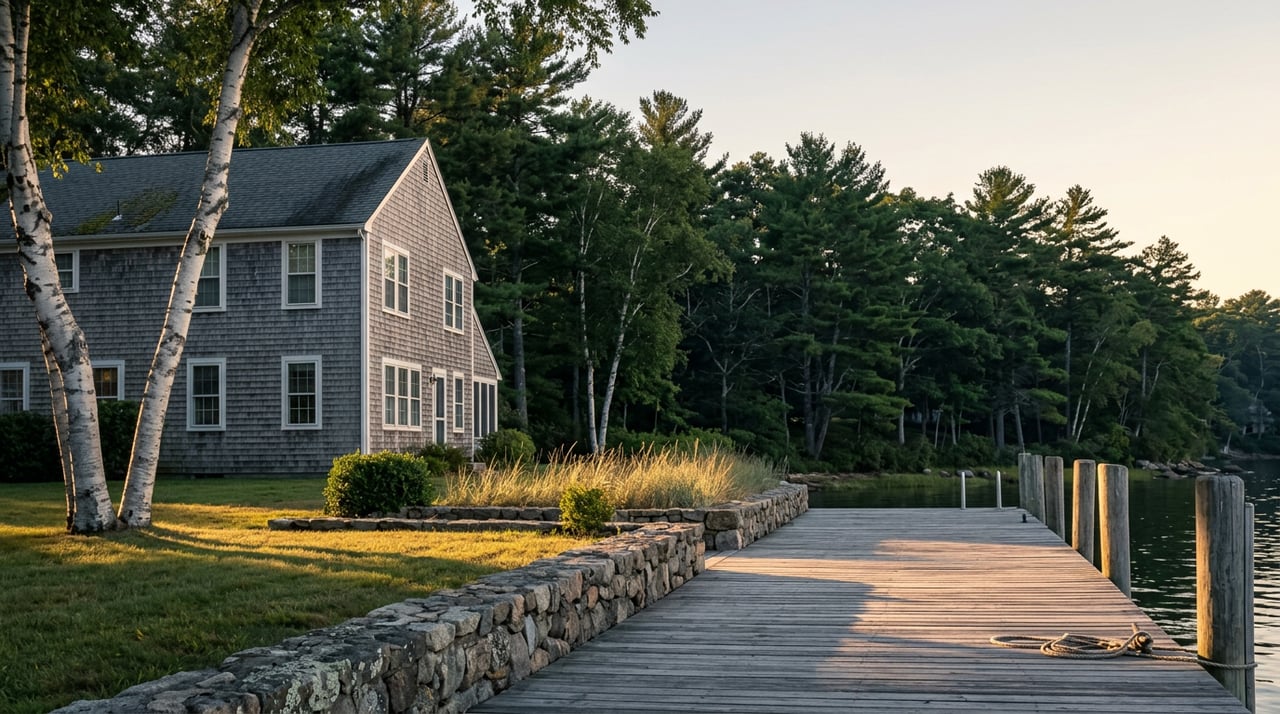
The shoreline housing stock tells another important story. On Winnisquam, many shoreline properties reflect a legacy-cottage history. According to Laconia's watershed plan, many residences began as primitive camps, were later converted into larger year-round cottages, and kept evolving as second-home demand increased.
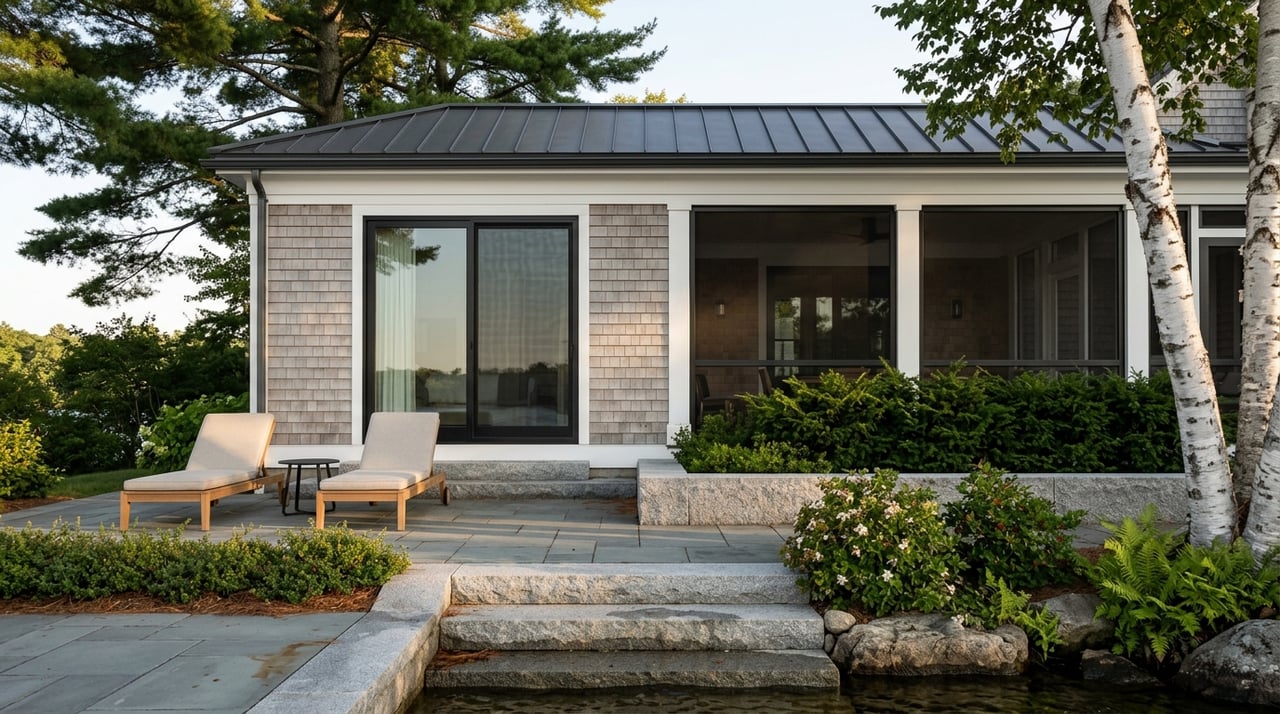
That history gives Winnisquam a more intimate and often more traditional lake-home feel. You may see a mix of older cottages, updated seasonal homes, and year-round properties that have grown over time. For buyers who want a classic New Hampshire lake setting without the scale of Winnipesaukee, that can be very appealing.
Winnipesaukee offers a broader spread. Its shoreline and islands include everything from cottages to mansions, with development mixed across villages, marinas, campgrounds, ski access points, preserves, and event-driven destinations. If you want more options across price points, architecture, setting, and lifestyle, Winnipesaukee generally provides a wider menu.
Convenience vs destination appeal
One of the most useful ways to compare these lakes is this: Winnisquam often feels easier for daily use, while Winnipesaukee often feels stronger as a destination experience.
Winnisquam's proximity to shopping, restaurants, and Laconia services can matter more than buyers expect. If you are coming up for shorter stays, that convenience can make ownership feel less complicated. Quick errands, simple outings, and easier logistics can make a second home more enjoyable in practice.
Winnipesaukee offers the bigger brand, the bigger map, and the broader tourism and recreation ecosystem. For some buyers, that is exactly the point. They want the fuller village-to-village lake lifestyle, and they are happy to trade simplicity for variety.
Resale and buyer appeal
No lake can promise future value, but each lake tends to attract a somewhat different buyer pool. Winnipesaukee likely has the broader market appeal because of its name recognition, larger shoreline market, and stronger resort network. That can matter if resale flexibility is high on your list.
Winnisquam may attract buyers who are specifically looking for a quieter, more intimate lake experience. That is a narrower positioning, but it can also be a very strong one for the right audience. If your own priorities line up with that lifestyle, the lake's identity may be part of its long-term appeal rather than a drawback.
This is where clear pricing strategy and property-specific analysis matter. On any lake, resale is influenced by more than the lake name alone. Shoreline conditions, boating usability, road access, privacy, updates, and regulatory constraints can all affect how buyers respond when it is time to sell.
Waterfront due diligence matters on both lakes
This is the part many second-home buyers underestimate. A lakefront home is not just a house with a view. It is a property with shoreline rules, water-quality considerations, and improvement limits that can affect your use today and your options later.
Both Winnisquam and Winnipesaukee are subject to New Hampshire's Shoreland Water Quality Protection Act and mooring permit requirements under RSA 270:61. The shoreland law specifically notes that impervious surfaces can affect water quality, recreational use, and property values. That means future additions, docks, septic work, and expansion plans should be reviewed carefully before you buy.
Winnisquam also has an active water-quality management history. It is a Class B waterbody, and state and federal records show an accepted turbidity TMDL tied to aquatic life impairment near the Hueber Brook outlet area. That does not mean you should avoid the lake, but it does mean buyers should understand the property's location and review site-specific factors with care.
Winnipesaukee has a stronger statewide reputation for overall water quality, and it was removed from the 2020-2022 impaired waters list because it remained oligotrophic with relatively low nutrient concentrations overall. At the same time, stewardship still matters there too, with ongoing concerns that include stormwater runoff, nutrients, septic systems, invasive plants, lake-level management, and erosion.
How to decide which lake fits you
If you are torn between these two lakes, start with your real lifestyle, not the bigger name. Ask yourself what your weekends should feel like, how you want to use the water, and whether convenience or variety matters more. The right answer is usually the lake that matches your actual habits, not your aspirational ones.
Winnisquam may be the better fit if you want:
- A quieter, more laid-back setting
- Easier day-to-day convenience near Laconia services
- A smaller-lake boating experience
- A legacy-cottage feel and more intimate shoreline character
- A second home that feels restful from the moment you arrive
Winnipesaukee may be the better fit if you want:
- A larger, more active lake environment
- More villages, attractions, and recreation options
- Broader boating and cruising opportunities
- A stronger destination and resort feel
- Wider name recognition and a larger buyer audience
The smartest second-home choice is the informed one
The best lake for your second home is the one that fits both your lifestyle and your tolerance for waterfront complexity. Winnisquam offers a quieter pace, practical convenience, and a more compact lake experience. Winnipesaukee offers more scale, more activity, and a broader resort-style market.
What matters most is looking past the postcard view and understanding how a property will function for you over time. That includes boating realities, shoreland rules, dock and septic questions, water-quality context, and future resale positioning. If you want clear guidance on how to compare lakefront options in the Lakes Region, Cisneros Realty Group can help you evaluate the tradeoffs with a protective, data-driven approach.
FAQs
Is Lake Winnisquam or Lake Winnipesaukee better for a quiet second home?
- Lake Winnisquam is generally the better fit if you want a quieter, more laid-back second-home experience with calmer day-to-day lake use.
Is Lake Winnipesaukee better for boating than Lake Winnisquam?
- Lake Winnipesaukee supports a broader range of power boating, cruising, and recreation, while Lake Winnisquam is often a better match for a simpler and more relaxed boating experience.
Are Lake Winnisquam homes more convenient to shops and restaurants?
- Yes, Lake Winnisquam is noted for easier access to shopping, restaurants, and services near Laconia, which can be helpful for shorter second-home stays.
Do Lake Winnisquam and Lake Winnipesaukee have shoreland rules?
- Yes, both lakes are subject to New Hampshire shoreland protection rules, and buyers should review docks, septic systems, additions, and expansion potential carefully.
Is resale stronger on Lake Winnipesaukee or Lake Winnisquam?
- Winnipesaukee likely has the broader buyer pool because of its scale, name recognition, and resort network, while Winnisquam appeals strongly to buyers seeking a quieter lake lifestyle.