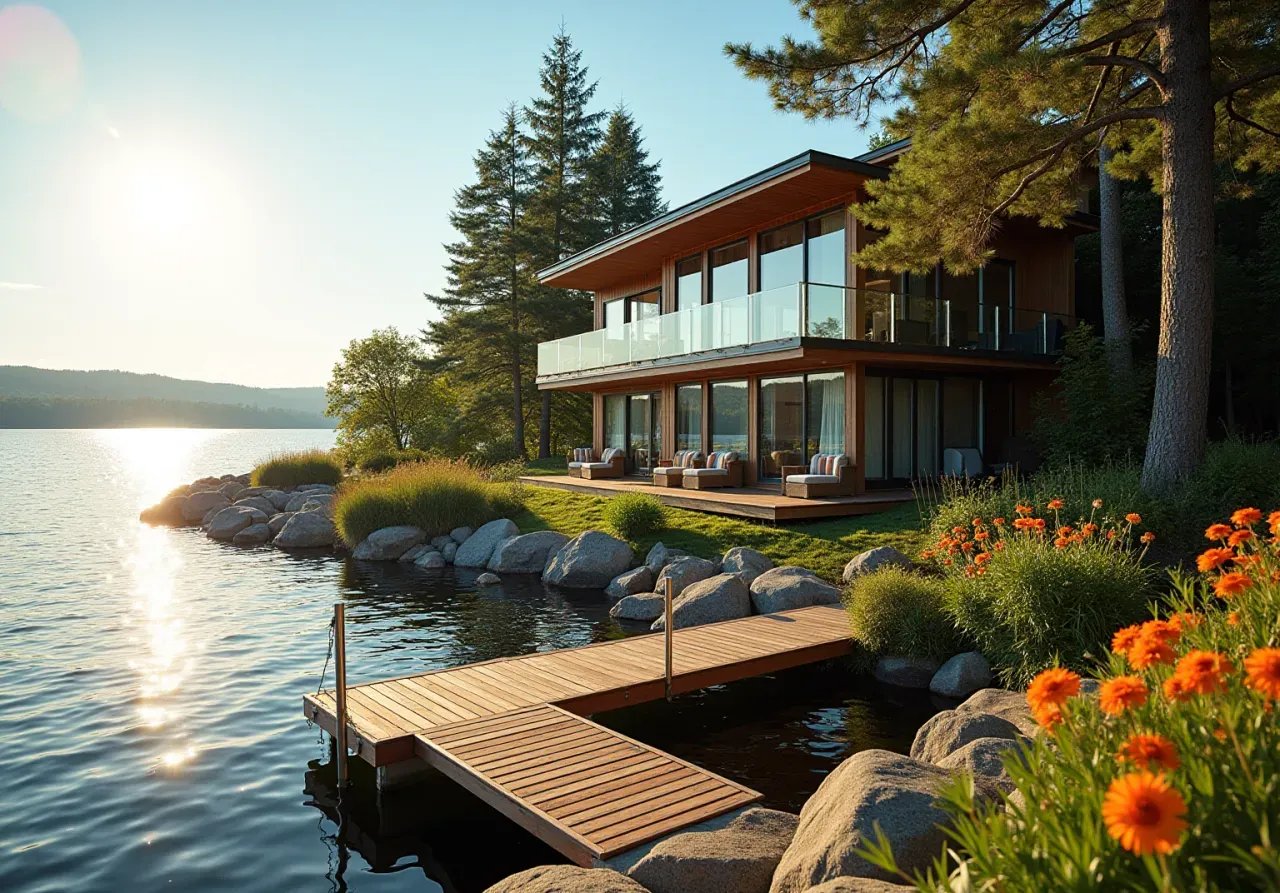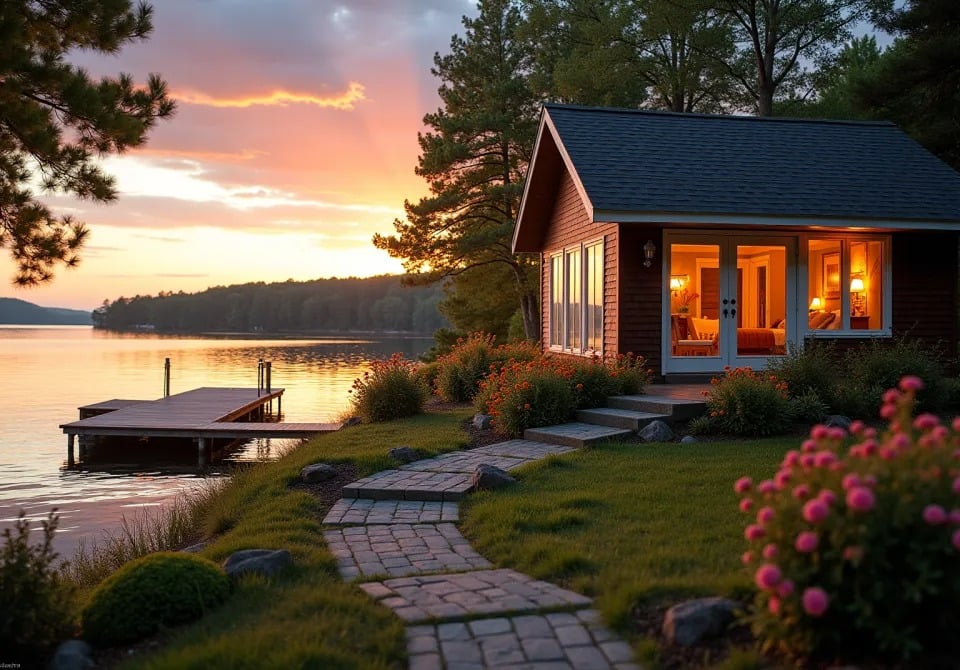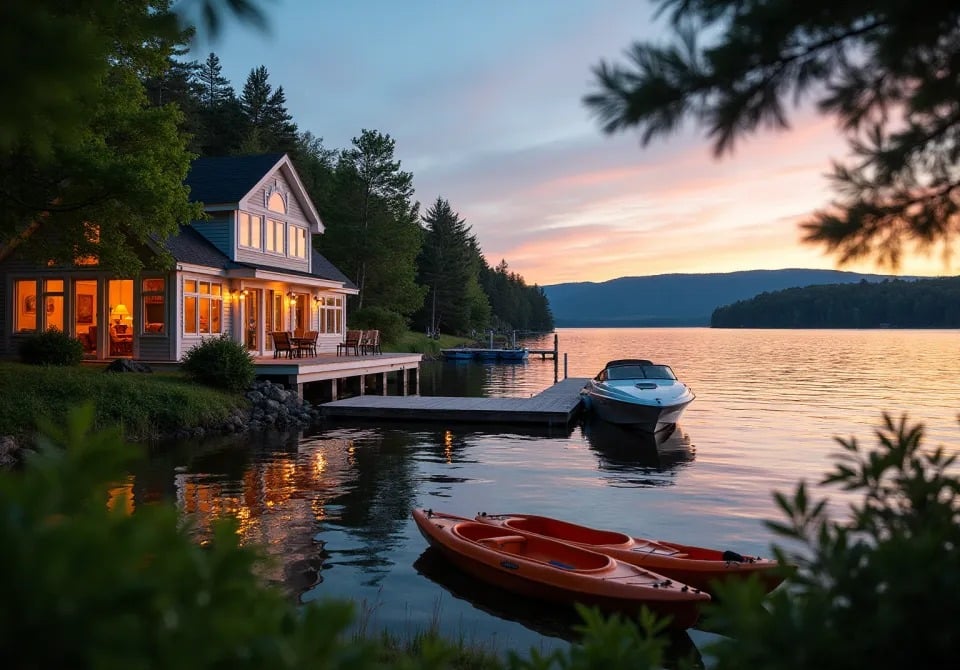
If you are torn between a seasonal camp and a year-round home in Tuftonboro, you are not overthinking it. In this part of the Lakes Region, that choice affects how you use the property, what improvements may be allowed, and what risks you may be taking on long term. The good news is that the right answer usually becomes much clearer once you look past the charm and focus on access, septic, permits, and waterfront rules. Let’s dive in.
Why this choice matters in Tuftonboro
Tuftonboro is a place where seasonal ownership is a major part of the housing mix, not a rare exception. The town’s 2022 master plan, using 2019 census data, reported that 38% of housing units were occupied year-round and 62% were seasonally occupied. It also identifies single-family homes as the town’s primary land use.
That matters because a property that feels perfect in July may function very differently in January. In Center Tuftonboro and the surrounding town, the decision is not just about lifestyle. It is also about whether the property can legally and practically support the way you want to use it.
Seasonal camp vs year-round home
A seasonal camp is usually a property intended for limited warm-weather use. A winterized cottage may be upgraded to function in colder months, but that practical label does not automatically mean the home is approved for year-round occupancy.
In Tuftonboro, the key issue is not what the listing calls the property. The real question is whether the home can lawfully support year-round use under local permitting, septic capacity, and occupancy rules.
Tuftonboro conversion rules to know
Tuftonboro’s zoning ordinance defines conversion to include a change from seasonal to year-round use or occupancy. That means if you buy a seasonal property and plan to use it as a full-time home, you may need more than a few updates and a new heating system.
Any conversion of an existing building or structure requires a permit. The town will not issue a building permit unless you show either that the existing septic system is adequate for the proposed use or that the site can support a compliant new septic system.
The ordinance also says that no structure that is newly erected, structurally altered, or changed in use may be occupied until a certificate of occupancy is issued. For buyers, that makes due diligence especially important before you assume a camp can become a year-round residence.
Septic is often the deciding factor
In Tuftonboro, septic is often the hidden cost center in this decision. A seasonal property may have a system that worked for occasional use but may not be adequate for year-round occupancy.
If you are considering conversion, you need to know whether the current system is approved for the intended use. If it is not, the next question is whether the site can support a replacement system that meets current requirements.
For properties near water, the stakes are even higher. New Hampshire requires leaching portions of septic systems to be set back at least 75 feet from the reference line in the standard soil case, with larger setbacks in some soil conditions. Tuftonboro’s ordinance also says leaching fields or sewage drain facilities may not be closer than 75 feet from a well, lake, pond, wetland, or stream.
That combination can limit what is possible on smaller or more constrained lots. A charming older camp close to the lake may look simple on the surface, but septic replacement options can be limited and expensive.
Waterfront resale can trigger more septic review
If you are buying a developed waterfront property that uses a septic system, another rule comes into play. Under New Hampshire law, if any part of that system is within 250 feet of the reference line, the buyer must obtain a septic system evaluation before transfer.
Older or unapproved systems may trigger additional designer review and possible replacement timelines. If you are comparing a seasonal camp to a year-round waterfront home, this is one of the most important cost and risk questions to answer early.
Road access matters more than buyers expect
Access can be just as important as the house itself. Tuftonboro requires private ways and driveways to provide safe and adequate passage for vehicles, including emergency vehicles, whether the use is seasonal or year-round.
The town’s master plan notes that Tuftonboro has more than 2 miles of Class VI roads that are not regularly maintained, along with private roads and limited-access rights-of-way. It also explains that if residents want a private road accepted as a town road, that requires an affirmative Town Meeting vote and carries ongoing maintenance cost implications.
This matters because a seasonal camp on a lightly maintained road may be fine for occasional summer use. That same property may feel very different if you expect reliable winter access, plowing, deliveries, and emergency response.
Shoreland rules can limit future plans
Near-water and waterfront properties come with another layer of review. New Hampshire’s Shoreland Water Quality Protection Act applies within 250 feet of public waters.
The law sets a 50-foot primary building line and regulates the 0 to 50 foot waterfront buffer, including vegetation management and other site impacts. If you hope to expand the home, rework the lot, or change outdoor features, those rules can shape what is realistically possible.
This is one reason lot layout matters so much in Tuftonboro. The zoning ordinance also treats waterfront lots differently by measuring frontage in 50-foot increments, and much of the town is zoned low-density residential or open-space and forestry, with one-acre minimums in many districts.
Association documents may control more than you think
If the property is in a condominium or association-style community, the recorded documents matter just as much as the town rules. Tuftonboro’s master plan specifically identifies seasonal-residence systems and condominium communities.
That means roads, docks, parking, storage, exterior changes, and assessments may be governed by the declaration, bylaws, or community rules. In some cases, those rules can affect how practical year-round living feels, even when the unit itself is physically suitable.
Before you decide between a camp and a year-round home, review the community documents carefully. You want to know not only what is allowed today, but also what costs and restrictions could shape ownership over time.
Year-round homes offer convenience
A true year-round home usually gives you easier full-time use. In practical terms, that often means better support for winter living, fewer questions about occupancy status, and a smoother path if you plan to relocate, retire here, or use the property frequently throughout the year.
That does not mean a year-round home is always the better buy. It usually comes with higher continuous carrying costs than a simple seasonal property, but it may reduce uncertainty around access, systems, and off-season use.
Seasonal camps can still be the right fit
A seasonal camp can make excellent sense if your goal is warm-weather enjoyment and a lower-maintenance ownership pattern during the off-season. In a town where seasonal homes are common, this can be a very natural fit.
But the key is buying it for what it truly is. Problems usually start when a buyer falls in love with a seasonal property while mentally pricing and planning as if it were already a compliant year-round home.
Questions to answer before you decide
Before you move forward on either option in Center Tuftonboro, make sure you can answer these clearly:
- Does the property already have a certificate of occupancy for year-round use, or would conversion be required?
- Is the septic system approved for your intended use?
- If the property is waterfront, has the required buyer-side septic evaluation been completed or scheduled?
- Is the road town-maintained, private, or Class VI?
- Who handles plowing, maintenance, and year-round access?
- If the property is in an association, what do the rules say about docks, parking, storage, exterior changes, and assessments?
- If the home is near water, do shoreland setback, vegetation, and impervious surface rules leave room for the improvements you want?
The smartest choice is the one you can use confidently
In Tuftonboro, this decision is rarely just camp versus house. It is really simplicity versus flexibility, charm versus compliance risk, and short-term lifestyle goals versus long-term usability.
The right property can absolutely be either one. What matters most is that the property’s legal use, site conditions, and ownership obligations match the way you plan to live with it.
That is where careful local due diligence makes all the difference. If you want clear guidance on how to evaluate a Tuftonboro seasonal camp, waterfront property, condo, or year-round home, Cisneros Realty Group can help you look beyond the listing photos and make a more protected decision.
FAQs
What is the difference between a seasonal camp and a year-round home in Tuftonboro?
- In practical terms, a seasonal camp is usually intended for limited warm-weather use, while a year-round home is intended for full-time occupancy. In Tuftonboro, the main issue is whether the property can legally support year-round use under local permits, septic capacity, and occupancy rules.
Does Tuftonboro require approval to convert a seasonal property to year-round use?
- Yes. Tuftonboro’s zoning ordinance defines conversion to include a change from seasonal to year-round use or occupancy, and conversion of an existing building or structure requires a permit.
Why is septic so important when buying near the water in Tuftonboro?
- Septic setbacks and approval status can limit whether a property can support your intended use. For developed waterfront properties with septic systems within 250 feet of the reference line, New Hampshire law also requires a buyer-side septic evaluation before transfer.
How do roads affect year-round living in Center Tuftonboro?
- Road status can affect winter access, maintenance, and emergency vehicle passage. In Tuftonboro, some roads are private or Class VI and are not regularly maintained, so you should confirm who is responsible for plowing and upkeep.
Do association rules matter when comparing a seasonal camp and a year-round home in Tuftonboro?
- Yes. In condominium or association-style communities, the declaration, bylaws, and rules may control things like docks, parking, storage, exterior changes, and assessments, which can affect how the property works for you over time.