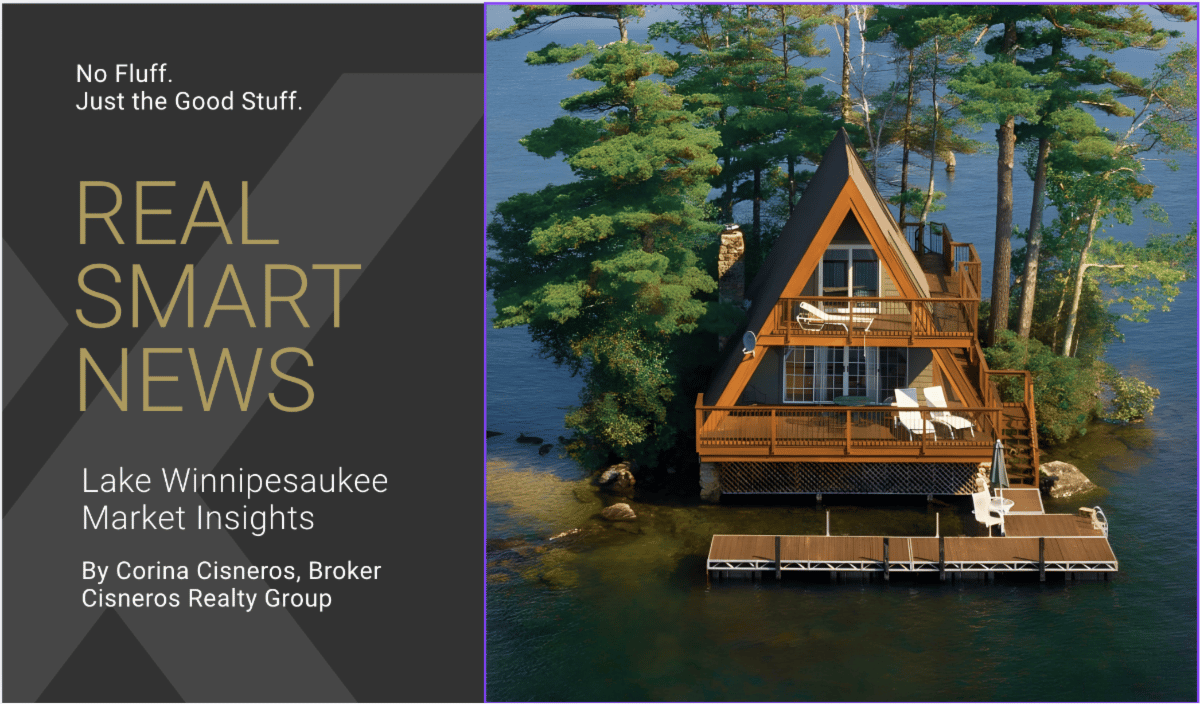
If you are thinking about buying on Lake Winnipesaukee, the biggest mistake is focusing on the house before you understand the lake. A property can look perfect online, then feel completely different once you factor in shoreline use, dock limits, septic rules, and year-round access. The good news is that a few smart questions can help you avoid expensive surprises and buy with more confidence. Let’s dive in.
Start With the Lake Setting
Lake Winnipesaukee is not one uniform market. It is New Hampshire’s largest lake, with a shoreline experience that changes from town to town and even cove to cove. The Lakes Region Scenic Byway circles the lake through communities like Alton, Center Harbor, Gilford, Laconia, Meredith, Moultonborough, Tuftonboro, and Wolfeboro, which is a good reminder that location here is highly specific.
Visit NH also notes that the eastern side of Winnipesaukee is less developed than the western side. That difference can shape your day-to-day experience, from privacy and pace to nearby dining, marinas, and town-center access. Before you evaluate any one house, it helps to define what kind of lake setting actually fits your lifestyle.
Questions to ask about location
- Do you want a busier stretch of the lake or a quieter cove?
- Will you use the property mostly in summer, year-round, or across all four seasons?
- How important is it to be near a marina, beach, restaurants, or a town center?
- Which town or shoreline area best matches how you plan to spend your time?
Clarify Access Before You Fall in Love
Not all lake properties offer the same kind of access. On Winnipesaukee, you may be looking at direct waterfront, deeded access, or shared association access. Those differences affect privacy, convenience, maintenance, and resale appeal.
This is where buyers often need to slow down. A home that feels ideal during peak summer may function very differently in the shoulder seasons or in winter. If you plan to boat, swim, or spend time at the property outside July and August, you need to understand how access works in real life.
Questions to ask about access
- Do you need direct waterfront, or would deeded or shared access meet your needs?
- Is the shoreline good for swimming, launching, docking, or mainly for the view?
- Is the water exposure calm and sheltered, or more open to weather and boat traffic?
- How does access change when lake levels shift, the weather turns, or the lake freezes?
- Are there boating restrictions or local rules that affect how you can use the property?
Review Shoreland Rules Early
On Lake Winnipesaukee, what you can do with a property matters almost as much as what is already there. New Hampshire’s Shoreland Water Quality Protection Act applies to lakes and ponds greater than 10 acres, including Winnipesaukee. Protected shoreland extends 250 feet from the reference line, and that creates real limits on setbacks, site work, vegetation removal, and improvements.
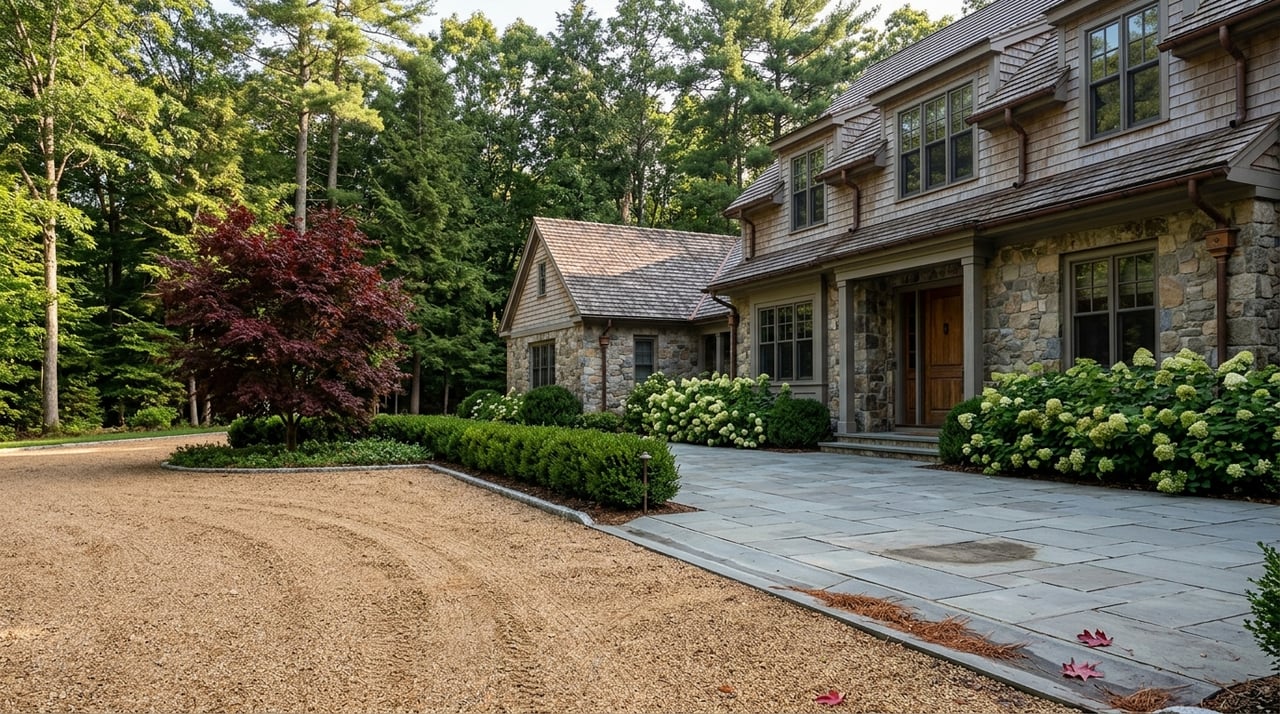
According to the state summary, new primary structures generally must be set back 50 feet, accessory structures 20 feet, and new septic systems 75 feet. Municipalities may have stricter standards. NHDES also counts gravel, dirt, and crushed-stone driveways and parking areas as impervious surfaces, which can affect future site plans.
For you as a buyer, that means patios, retaining walls, beach work, decks, and expansion plans should never be treated as assumptions. They are documentation and permitting questions.
Questions to ask about shoreland limits
- What can you actually change, expand, or add on the lot?
- Are there existing shoreland approvals on file for past improvements?
- Are there vegetation or buffer restrictions that affect views or landscaping plans?
- Would the town impose standards beyond the state rules?
Confirm Dock and Shoreline Permits
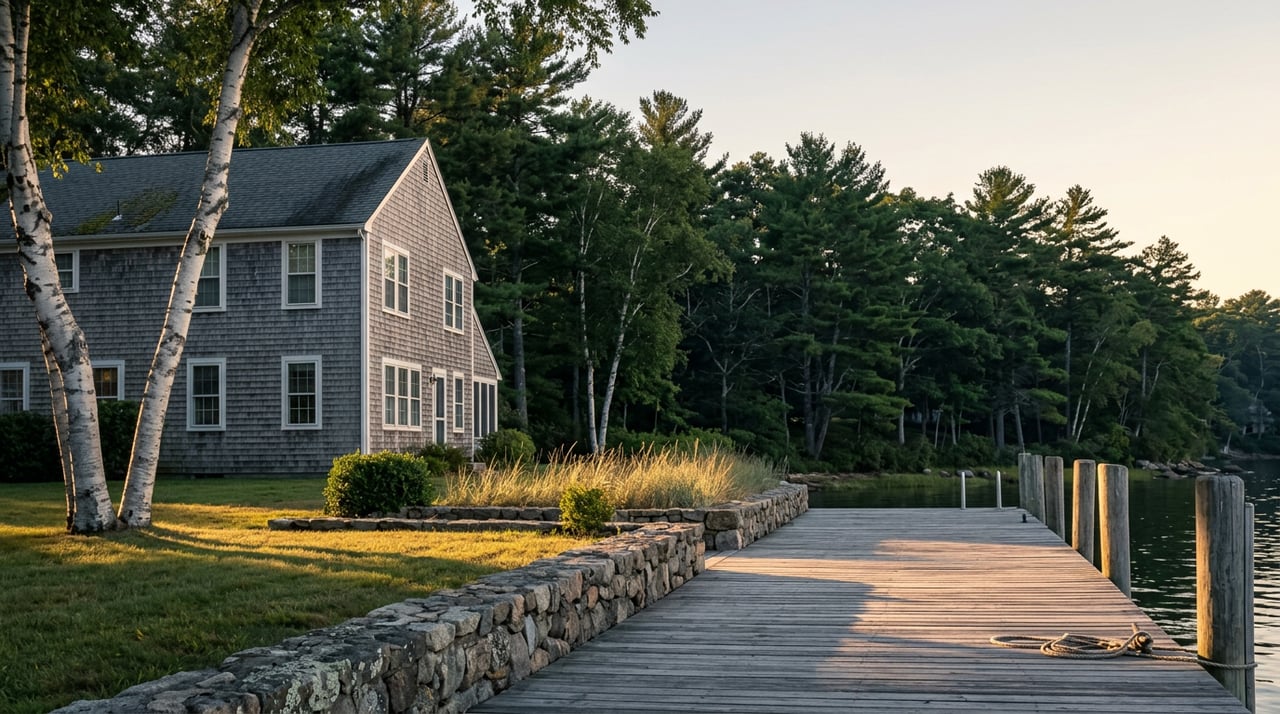
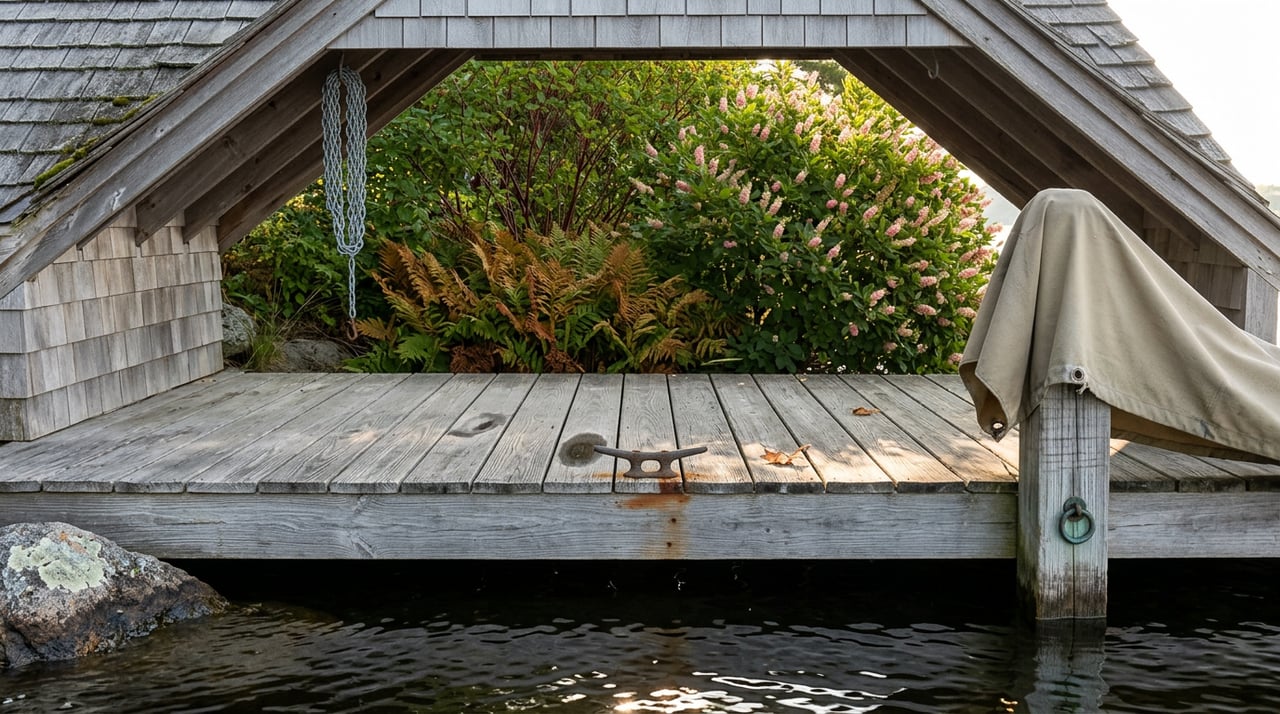
Dock rights can be a major part of a Winnipesaukee property’s value, but they should always be verified. NHDES requires wetlands permitting for all new or modified docking structures, including seasonal docks, permanent docks, and boat or jet-ski lifts. The size and number of boat slips are also regulated by state law.
There are additional shoreline considerations too. State guidance says water access structures must minimize environmental impact, and construction in wetlands or priority resource areas is prohibited. Structures within the bank generally must stay at least 10 feet from abutting properties unless written permission is provided by neighbors.
Questions to ask about docks and improvements
- What permits are on file for the dock, lift, boathouse, or shoreline work?
- Has any retaining wall, beach work, or hardscaping been approved?
- Are there frontage limits or abutter issues that could affect future changes?
- If the dock is a major reason you want the property, is the documentation clean and complete?
Understand Septic Requirements
Septic diligence is especially important on waterfront property. As of September 1, 2024, a buyer of waterfront property with a seasonal or year-round structure and a septic system within 250 feet of the waterbody reference line must have a licensed septic evaluation. If the system was approved before September 1, 1989, or has no approval, a permitted designer may also need to be involved.
This is not a minor detail. Septic findings can affect negotiations, timing, and your comfort level with the purchase. It is much better to know early whether the system raises questions than to discover issues late in the process.
Questions to ask about septic
- Is the septic system within 250 feet of the waterbody reference line?
- Will a licensed septic evaluation be required before closing?
- Was the system approved before September 1, 1989?
- Is there complete septic documentation, or will additional review be needed?
Think About Four-Season Use
Lake Winnipesaukee is a year-round destination, not just a summer market. Visit NH highlights warm-weather boating and water sports, along with winter activities like ice fishing, cross-country skiing, and pond hockey. That makes four-season usability an important part of your buying decision.
A property that works beautifully in July may be less practical in February or March. Access, driveway conditions, exposure, storage, and overall ease of use can feel very different once the seasons change.
Questions to ask about year-round living
- Will the property be a summer retreat, a four-season home, or both?
- How easy is it to access in winter or during muddy shoulder seasons?
- Does the shoreline still function the way you want outside peak summer?
- Are you buying for one season, or for long-term flexibility?
Look Closely at Associations and Shared Rules
For condos, townhouses, and some lake-access or waterfront communities, ownership is shaped by more than the house itself. Association rules can affect rentals, dock assignments, parking, guest use, winter storage, and shoreline maintenance. These details can have a direct impact on both enjoyment and resale.
That is why association documents deserve real attention before you write an offer. A property may look simple on the surface, but the rules can tell a different story.
Questions to ask about associations
- What do the bylaws, budgets, and rules say about lake use?
- Are there rental restrictions, guest policies, or parking limits?
- How are docks assigned and maintained?
- What shoreline or common-area responsibilities come with ownership?
Factor in Stewardship and Ongoing Costs
Buying on Winnipesaukee is partly a lifestyle decision and partly a stewardship decision. NHDES lake resources and regional watershed materials track items such as water quality documents, invasive-species information, cyanobacteria bloom history, and boating restrictions. That context matters because ownership here includes rule compliance and long-term care, not just enjoyment.
You also want a realistic picture of carrying costs. Beyond principal, interest, taxes, and insurance, there may be association fees, dock maintenance, shoreline upkeep, snow removal, or seasonal storage costs. Understanding those numbers early helps you buy with clear expectations.
Questions to ask about ownership costs
- What are the annual costs beyond the mortgage and taxes?
- What maintenance comes with the shoreline, dock, or shared amenities?
- Are there stewardship or compliance responsibilities tied to ownership?
- Will the property still make sense financially after the first year of excitement wears off?
Protect Your Exit Strategy Too
A smart purchase is not only about whether you love the property today. It is also about whether you can own, use, improve, and eventually resell it with confidence. On Winnipesaukee, future buyers often care deeply about documentation, legal access, usable waterfront, dock rights, and year-round practicality.
That is why clean paperwork matters so much. If a property has strong documentation for septic, shoreline work, association governance, and dock rights, your resale position is usually clearer. If those items are murky, risk can follow you into the next transaction.
Questions to ask about resale
- What features will matter most to a future buyer?
- How much of the value depends on the dock, view, access, or four-season use?
- Is the documentation organized and transferable?
- If you sold in a few years, would the same questions you have today become a problem?
Buying on Lake Winnipesaukee should feel exciting, but it should also feel well-vetted. The right property is not just the one with the best view. It is the one that fits how you want to live, meets the rules that apply to the shoreline, and gives you confidence in both ownership and resale. If you want a local advisor who will help you look past the photos and ask the right questions, Cisneros Realty Group is here to help.
FAQs
What should you ask before buying a Lake Winnipesaukee waterfront home?
- Ask about access type, dock permits, shoreland restrictions, septic requirements, carrying costs, and resale documentation before you make an offer.
What does deeded or shared lake access mean on Lake Winnipesaukee?
- It means you may have legal rights to use the lake without owning direct waterfront, but the level of privacy, convenience, and control can vary significantly.
Are dock permits important when buying on Lake Winnipesaukee?
- Yes. New or modified docks, including lifts, are subject to NHDES permitting, so buyers should verify what has been approved and what may be limited.
Do waterfront homes on Lake Winnipesaukee need septic evaluations?
- In many cases, yes. As of September 1, 2024, certain waterfront properties with septic systems within 250 feet of the waterbody reference line require a licensed septic evaluation.
Why do shoreland rules matter for Lake Winnipesaukee buyers?
- Shoreland rules can affect setbacks, vegetation management, septic placement, and future improvements, which directly impacts how you use and protect the property.
How do association rules affect Lake Winnipesaukee properties?
- Association documents may control dock assignments, rentals, parking, guest use, winter storage, and maintenance responsibilities, so they can shape both lifestyle and resale value.