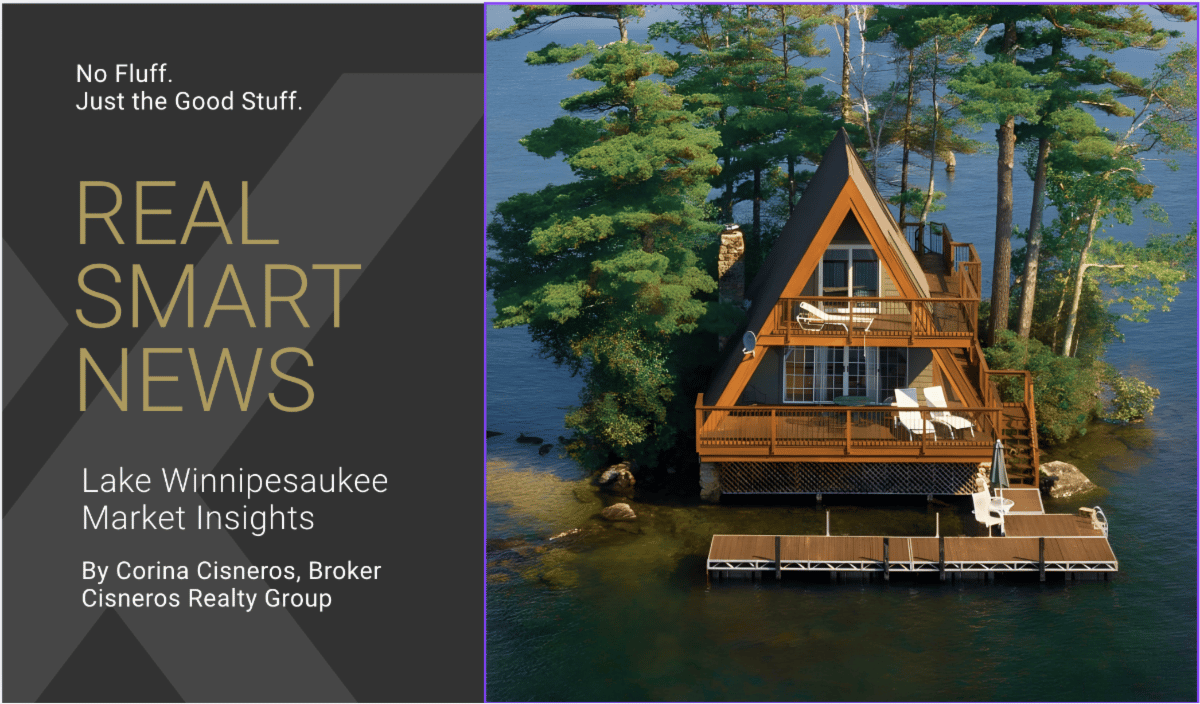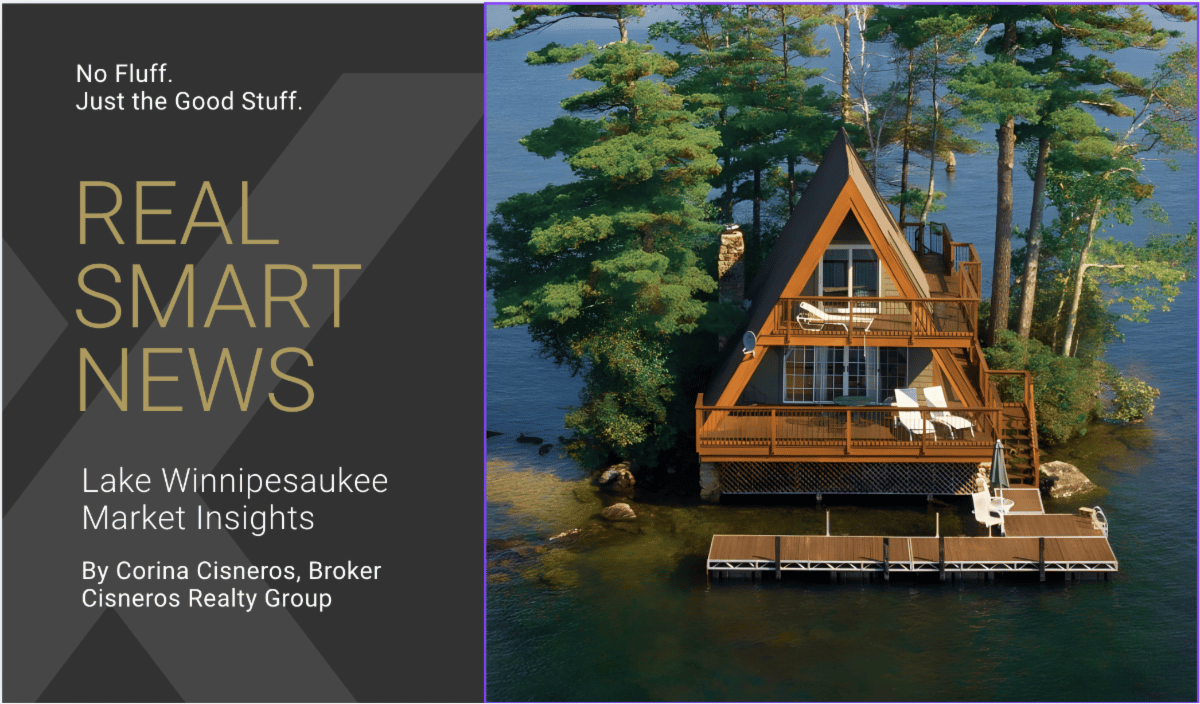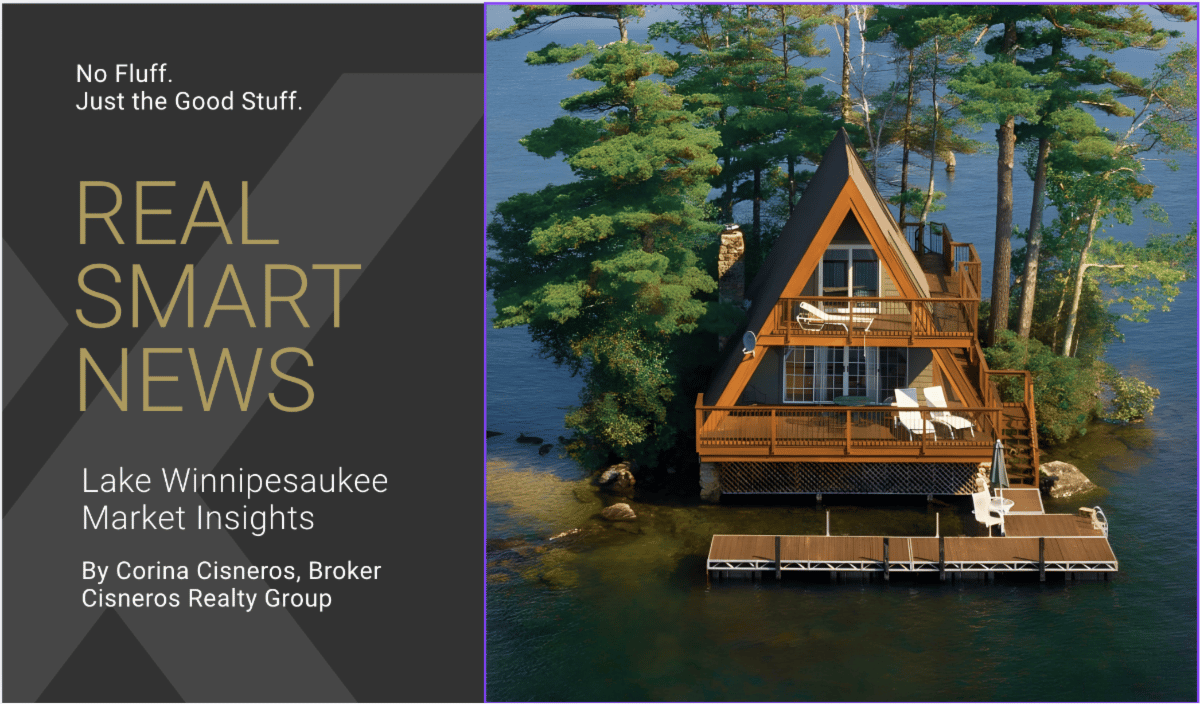
Wondering whether Moultonborough matches the kind of lake life you actually want? That is a smart question, because not every Lake Winnipesaukee town offers the same pace, property mix, or ownership experience. If you are weighing privacy, boating access, second-home use, and long-term carrying costs, this guide will help you see where Moultonborough fits and where it may not. Let’s dive in.
Why Moultonborough Stands Out
Moultonborough is not a dense village-style lake town. It is a large, low-density community with an estimated 5,293 residents spread across 59.69 square miles of land, or about 82.4 people per square mile.
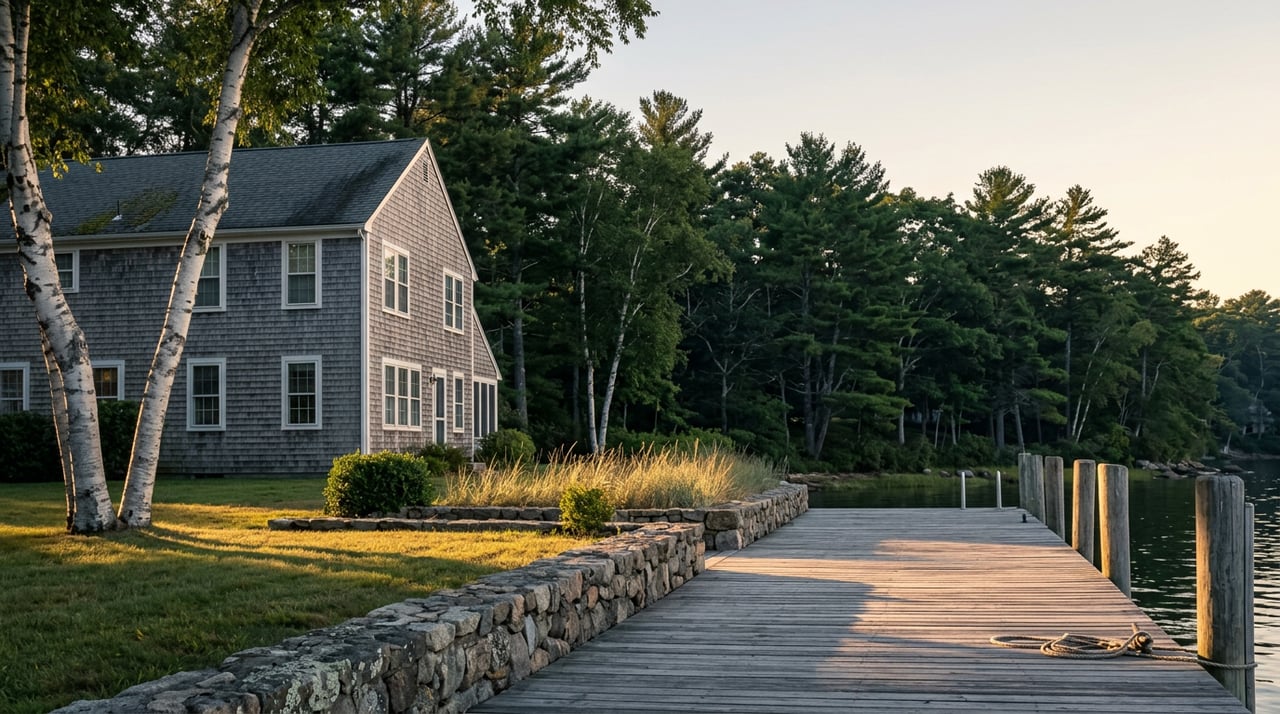
That lower-density layout shapes the feel of the town. If you picture wooded roads, longer stretches of shoreline, and a setting built more around the lake than around a busy downtown, Moultonborough tends to line up well with that vision.
The town also has a strong shoreland identity. Its zoning ordinance states that Moultonborough has more waterfront property than any other municipality in New Hampshire, and the town’s 2025 hazard mitigation plan notes that summer population can increase by about 25,000 people.
That seasonal swing matters. It tells you Moultonborough functions differently in July than it does in January, which is important if you are buying for seasonal use, second-home enjoyment, or future family legacy planning.
What Kind of Buyer Fits Moultonborough?
Moultonborough often makes the most sense for buyers who want space and shoreline access over a busier town center. If your priorities include boating, privacy, and a quieter setting, the town checks many of those boxes.
It can be an especially strong match if you are looking for:
- Direct waterfront property
- Deeded or association water access
- A second home with seasonal use potential
- A long-term hold for future family use
- A more rural Lakes Region setting
The local housing profile supports that pattern. Moultonborough has 5,821 housing units, and 3,663 of them are seasonal units. Town planning data also indicates about 63% of homes are second homes, while about 51% of all housing units are seasonally vacant.
In plain terms, this is not unusual here. You are entering a market where seasonal ownership is a major part of the landscape, not a niche.
Waterfront, Water-Access, and Inland Choices
One of the biggest reasons buyers consider Moultonborough is the range of lake-oriented property options. But not every property gives you the same ownership experience, and that distinction matters.
Direct Waterfront Homes
Direct waterfront gives you frontage on the water itself, but it also comes with tighter rules. Moultonborough’s zoning ordinance sets a 40,000-square-foot minimum lot size for waterfront property and requires 150 feet of shore frontage for the first dwelling unit.
The ordinance also limits certain improvements and controls impervious surface in protected shoreland areas. It prohibits dug-in boathouses as well. If you are shopping waterfront here, you should expect regulation to be part of the buying decision, not an afterthought.
Water-Access Properties
Some buyers do not need direct frontage to get the lifestyle they want. In Moultonborough, deeded or association-style access can offer a different path to enjoying the lake, and the town treats common-use water-access lots differently from direct waterfront lots.
That difference can affect how you evaluate use, restrictions, and long-term resale appeal. A home with water access may fit your goals very well, but it is important to understand exactly what those rights include.
Inland Homes
If your focus is value, privacy, or year-round use without direct shoreland oversight, an inland home may be the better fit. You can still be in a lake-centered town without owning frontage or shared access.
For some buyers, that tradeoff works well. You may give up immediate water access, but you can gain flexibility, lower maintenance exposure, or a simpler ownership experience.
Public Water Access and Seasonal Use
Moultonborough’s public water access also helps define its appeal. The 2025 hazard mitigation plan identifies up to 11 access points to public waters, including seven that are town-owned.
That is useful context if you want a town where lake access is part of everyday life, even if you are not buying direct frontage. It helps explain why Moultonborough can work for buyers who care deeply about shoreline and boating access but do not need a more commercial or walkable setting.
At the same time, the seasonal nature of the area is real. With a large summer influx, your experience can shift by season, especially around traffic, water activity, and general pace. For many buyers, that is part of the appeal. For others, it is something to think through carefully.
Taxes and Carrying Costs
A lower tax rate can be one reason buyers look closely at Moultonborough. The town’s 2025 total property tax rate was $5.33 per $1,000 of assessed value.
Compared with several nearby Winnipesaukee towns, that sits on the lower end of the local range. Published 2025 total tax rates were $6.40 in Tuftonboro, $8.36 in Wolfeboro, $10.62 in Meredith, and $11.84 in Center Harbor.
That does not make Moultonborough inexpensive. The Census Bureau reports a median owner-occupied home value of $644,200, so purchase price still matters.
Still, if you are thinking about long-term ownership, second-home carrying costs, or estate planning, the lower local tax rate may strengthen the overall ownership picture. That is especially relevant if you are comparing similar lake-oriented towns and trying to decide where your dollars go furthest over time.
The Lifestyle Tradeoff
Every lake town asks you to choose a lifestyle, not just a property. Moultonborough tends to favor buyers who want a quieter, more shoreland-centered environment.
The town’s zoning ordinance reinforces that character by stating that commercial districts are intended to preserve Moultonborough’s rural attributes, while much of the rest of town is primarily residential and agricultural. That creates a different feel from a busier center with more concentrated shops, restaurants, and civic activity.
If you want a more active downtown environment, Moultonborough may feel too quiet. Meredith’s adopted community plan describes Meredith Village as a walkable downtown and commercial center, while Wolfeboro’s official recreation information emphasizes year-round programs and events.
That does not make one town better than another. It simply means Moultonborough is a more specific fit for buyers who prioritize space, shoreline, and a slower rhythm over a more active village setting.
Questions to Ask Before You Buy Here
Before you decide Moultonborough is the right move, it helps to pressure-test your goals. A lake property can be a great fit, but only if the ownership reality matches the lifestyle you want.
Ask yourself:
- Do you want direct waterfront, shared water access, or just proximity to the lake?
- Are you comfortable with stricter shoreland rules on waterfront property?
- Will you use the home seasonally, year-round, or as a long-term family hold?
- Is privacy more important to you than a walkable downtown?
- Are you comparing tax burden as part of your long-term ownership costs?
Those answers can narrow your search quickly. They can also help you avoid chasing a property type that looks appealing online but does not really fit how you plan to use it.
Why Due Diligence Matters More Here
In Moultonborough, lakefront decisions are rarely just about views. Property type, water access structure, shoreland regulation, and carrying costs can all shape your ownership experience.
That is why buyers should look closely at what they are actually purchasing. Waterfront frontage, deeded rights, common-use access, and inland location each come with different practical and resale implications.
When you buy in a town with this much shoreland inventory and this many seasonal homes, details matter. Clear due diligence helps you understand the tradeoffs before you commit, not after.
If you are trying to decide whether Moultonborough fits your lakefront plans, the right answer usually comes down to alignment. When your priorities match the town’s quieter, shoreline-focused character, it can be a very strong fit. When you want more walkability, activity, or a different ownership setup, another Winnipesaukee town may serve you better.
If you want help comparing Moultonborough with other Lakes Region options, Cisneros Realty Group can help you evaluate the lifestyle, property differences, and waterfront details that matter most.
FAQs
Is Moultonborough a good town for Lake Winnipesaukee second-home buyers?
- Yes. Town planning data shows a strongly seasonal market, with about 63% of homes identified as second homes and 3,663 seasonal units out of 5,821 total housing units.
What types of lake properties can you buy in Moultonborough?
- Buyers typically consider direct waterfront homes, deeded or association water-access properties, and inland homes, each with different use patterns and rules.
Are waterfront homes in Moultonborough more regulated?
- Yes. The zoning ordinance sets specific standards for waterfront lots, including minimum lot size, shore frontage requirements, and limits related to shoreland improvements and impervious surface.
How does Moultonborough compare on property taxes?
- Moultonborough’s 2025 total property tax rate was $5.33 per $1,000 of assessed value, which is lower than the published 2025 rates listed in several nearby Winnipesaukee towns in the research provided.
Is Moultonborough a fit if you want a walkable downtown?
- It may not be the best match if that is a top priority. Moultonborough is better known for its rural, shoreland-centered character than for a busy village-style downtown experience.
Does Moultonborough have public access to the water?
- Yes. The town’s 2025 hazard mitigation plan inventories up to 11 public water access points, including seven that are town-owned.