Are you torn between stepping onto Meredith’s lively boardwalk for dinner or waking to glass‑calm water in a sheltered cove? You’re not alone. Many buyers narrow their search to Meredith, then have to choose between in‑town energy and the privacy of quieter shoreline. In this guide, you’ll learn how each lifestyle feels across seasons, what to expect for boat traffic and maintenance, and the key permits and policies to check before you buy. Let’s dive in.
Meredith snapshot
Meredith village sits right on Meredith Bay, part of Lake Winnipesaukee’s iconic shoreline. The compact waterfront core includes the Mill Falls Marketplace and a scenic boardwalk lined with restaurants, shops, and inns, creating a walkable hub that fronts the lake. You can get a feel for the setting by exploring the description of the Mill Falls boardwalk and lakefront marketplace.
Seasonality shapes daily life. The unofficial start to summer boating is “ice‑out,” which often arrives in mid‑April, though dates vary widely year to year. That timing affects dock work, launch schedules, and waterfront activity across the lake, as covered in recent ice‑out reporting.
Meredith also maintains public waterfront assets that make in‑town access easy. The town publishes rules for public launches, town docks with short‑term docking limits, and municipal parking guidelines. If you plan to host guests by boat or rely on public facilities, review the Boat Launch and Municipal Parking Information before summer.
In‑town bayfront lifestyle
Walkability and dining
If you want to park the car and walk to dinner, in‑town bayfront living fits. The Mill Falls boardwalk and surrounding streets cluster lakefront restaurants, shops, and hotel terraces with views. Expect more foot traffic, especially on warm evenings and peak weekends. During summer events and festivals, you’ll feel part of the waterfront scene.
Boat traffic and soundscape
Meredith’s harbor is active. Daytime tie‑ups, transient boaters, and evening energy around restaurants are part of the appeal. Lake traffic rises on weekends, in July and August, and on holidays, with heavier concentrations near village docks and other busy corridors on the lake. For context on lakewide patterns and launch points, see this regional overview of boat launches and hubs.
Winter convenience
In‑town neighborhoods typically benefit from faster snow clearing, maintained sidewalks, and reliable access to services. Meredith’s Department of Public Works outlines winter operations and municipal responsibilities on its Public Works page. If you come year‑round, that consistency matters for everyday routines.
Quiet coves lifestyle
Privacy, views, and calmer water
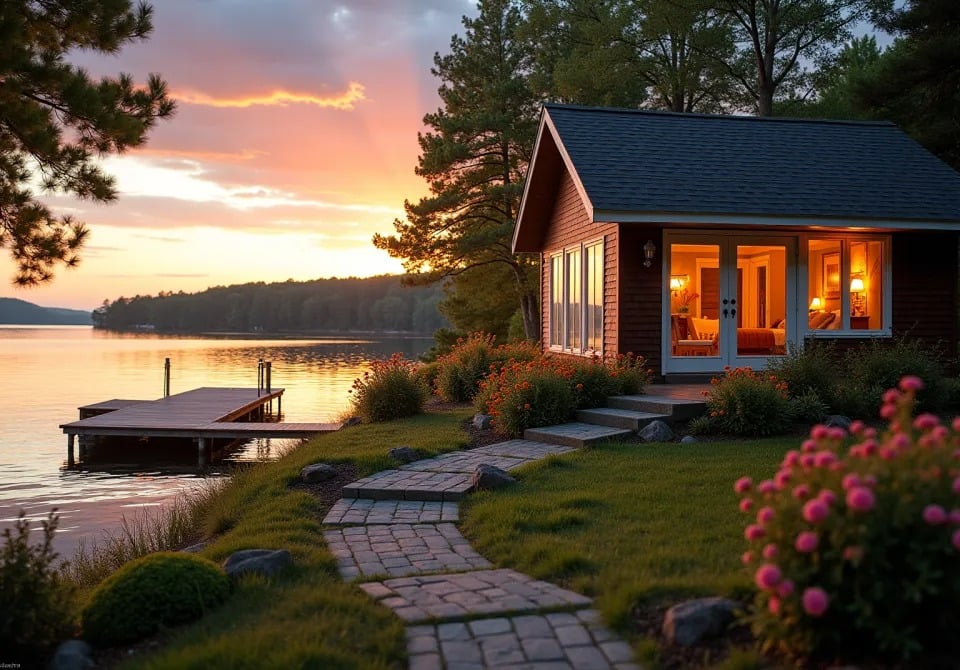
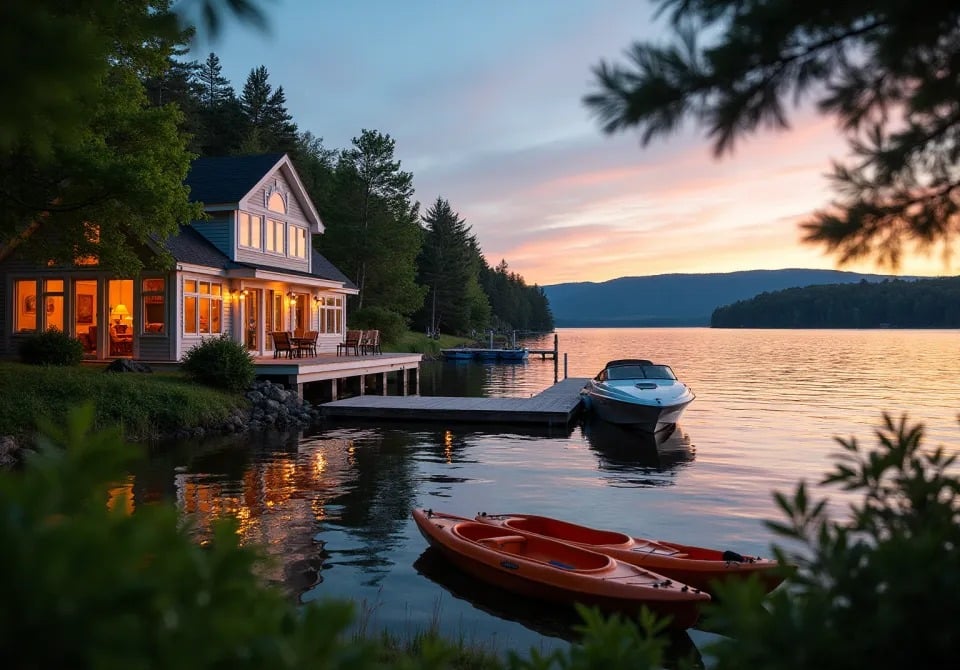
Cove properties often feel more secluded, with more trees and separation between homes. Water is typically calmer for swimming and paddle time because there are fewer through‑boats. Views can be expansive or intimate depending on orientation, but your shoreline experience usually feels quieter than the harbor.
Daily logistics and upkeep
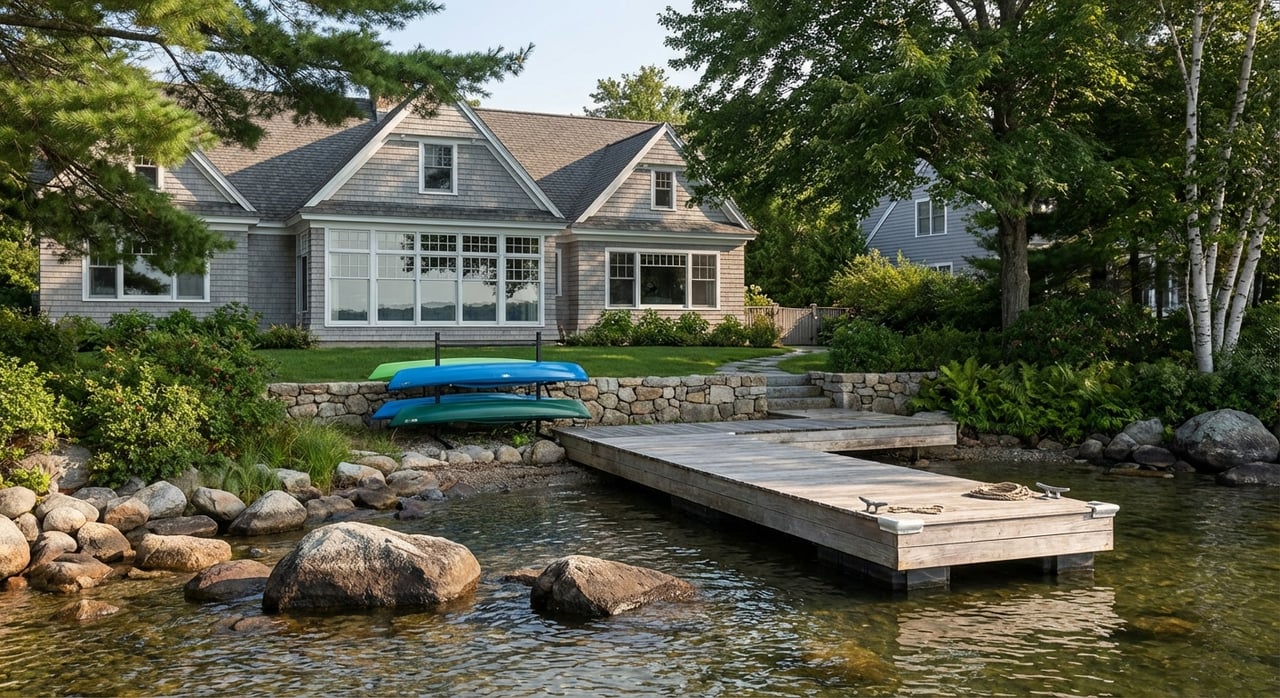
You’ll likely trade walkability for a longer drive to the village. Many cove homes rely on private systems and on‑site maintenance, such as dock care, shoreline stabilization, and longer driveways to plow. For some buyers, the added privacy is well worth the added responsibility.
Winter operations
Remote lots can have steeper or longer driveways and may require private plowing and sanding. Seasonal docks often need to be removed before freeze or protected with aeration systems to mitigate ice damage. Plan ahead for fuel deliveries, service calls, and safe access when weather shifts.
Side‑by‑side: daily life at a glance
| Category | In‑town bayfront | Quiet coves |
|---|---|---|
| Daily life | Walk to coffee, dining, and shops along the boardwalk. | Drive to town; days center on the dock, cove, and home. |
| Summer | Lively scene, transient tie‑ups, events near the water. | Calmer water for swimming and paddling; fewer pass‑through boats. |
| Winter | Faster municipal plowing and sidewalk care. | Private plowing; manage dock removal or aeration. |
| Access & services | Public docks and town launch rules close by; review Meredith’s docking and parking info. | More on‑site maintenance; plan for service vendors and longer drive times. |
Boat traffic, moorings, and rules
Boat traffic concentrates on peak weekends and midsummer. Areas near village docks experience more daytime activity, while narrower coves and protected inlets see fewer pass‑through boats. For a lakewide snapshot of busy corridors and launch access, this launch and access guide is useful.
Moorings and slips are limited and often subject to waitlists. If a property’s value depends on a mooring or designated slip, verify the written status and transferability with the appropriate authority. Start with the state’s program overview for New Hampshire moorings.
No‑wake and low‑wake rules protect swimmers and shorelines, and enforcement involves both state and local authorities. Community associations in New Hampshire frequently discuss wake impacts and safety, which gives helpful context for busy seasons. See an example of local policy discussion in this lake‑association archive.
Key buying checks in Meredith
Docks, lifts, and shoreline permits
Work within 250 feet of the lake’s reference line is regulated under New Hampshire’s Shoreland Water Quality Protection Act. Many docks and boathouses require NHDES authorization, and existing structures may be grandfathered with limits on expansion. Before you commit, pull permit records and as‑built drawings and review the state shoreland law summary (RSA 483‑B).
Mooring and slip confirmation
Do not assume a private dock includes a mooring or that slip rights transfer automatically. Confirm allocation, waitlist status, and transfer rules with any marina, association, or state program managing access. The state overview on mooring permits and administration is the place to start.
Flood risk and insurance
Waterfront does not always equal a FEMA Special Flood Hazard Area, but some shoreline parcels will require flood insurance and elevation certificates. Use the FEMA Flood Map Service Center to check a specific address and to understand potential insurance implications.
Winter readiness and access
If you plan year‑round use, evaluate driveway grade and length, vendor availability for private plowing, and safe dock practices heading into freeze. Meredith’s Public Works guidance is a good reference for what the town maintains versus what you will manage on site.
Short‑term rental policy
Local policy on short‑term rentals is active and can affect resale value and income projections. Meredith voters discussed zoning changes related to defining and limiting certain STR types at the March 2025 Town Meeting. Review the latest town warrant and notes, and see this regulatory brief on the 2025 discussion as background before underwriting any rental income.
How to choose your fit
- Visit at different times. Stop by on a weekday morning, a Saturday afternoon, and a warm summer evening. The boardwalk and docks feel very different at each hour, as reflected in coverage of Meredith’s waterfront hub.
- Map your daily life. If walking to dinner and coffee matters most, prioritize in‑town. If private swims and paddle sessions are the goal, lean cove.
- Confirm water access rights. Get dock permits and as‑builts, and verify any mooring or slip in writing through the state mooring program.
- Check practicals. Review flood maps, winter access, and maintenance vendors. Start with the FEMA map center and the town’s Public Works page.
- Set a realistic budget. Waterfront carries premiums and maintenance costs that vary by shoreline, cove, and property type. Price behavior changes by season and year, so build in cushion for dock work, shoreline care, and winter operations.
Ready to compare specific shorelines and properties with discretion and care? Request a private consult with Cisneros Realty Group and we’ll curate a shortlist aligned to how you live.
FAQs
What is in‑town bayfront living like in Meredith during summer?
- Expect a lively scene with walkable dining, public docks with short‑term limits, and more daytime boat traffic near the boardwalk.
How do mooring permits work on Lake Winnipesaukee?
- Moorings are limited and managed through state and local systems, often with waitlists; always verify status and transfer rules in writing.
Can I expand an existing dock on a Meredith lakefront property?
- It depends on permits and grandfathered status; many changes within 250 feet of the shore require NHDES authorization, so review records before planning work.
Is flood insurance automatically required for Meredith waterfront homes?
- Not automatically; check the FEMA map for the specific address to see if the property lies in a Special Flood Hazard Area and whether an elevation certificate is needed.
When does boating season typically start on Lake Winnipesaukee?
- The lake’s “ice‑out” often occurs in mid‑April but varies widely each year; that date marks when larger vessels can reach all ports and the boating season ramps up.
How busy is boat traffic near Meredith’s village docks?
- Traffic concentrates on weekends, midsummer, and holidays; quieter coves and inlets generally see fewer pass‑through boats compared with the harbor.
What should I plan for in winter if I buy on a quiet cove?
- Budget for private plowing of longer driveways, safe dock removal or aeration before freeze, and vendor scheduling for service during storms.