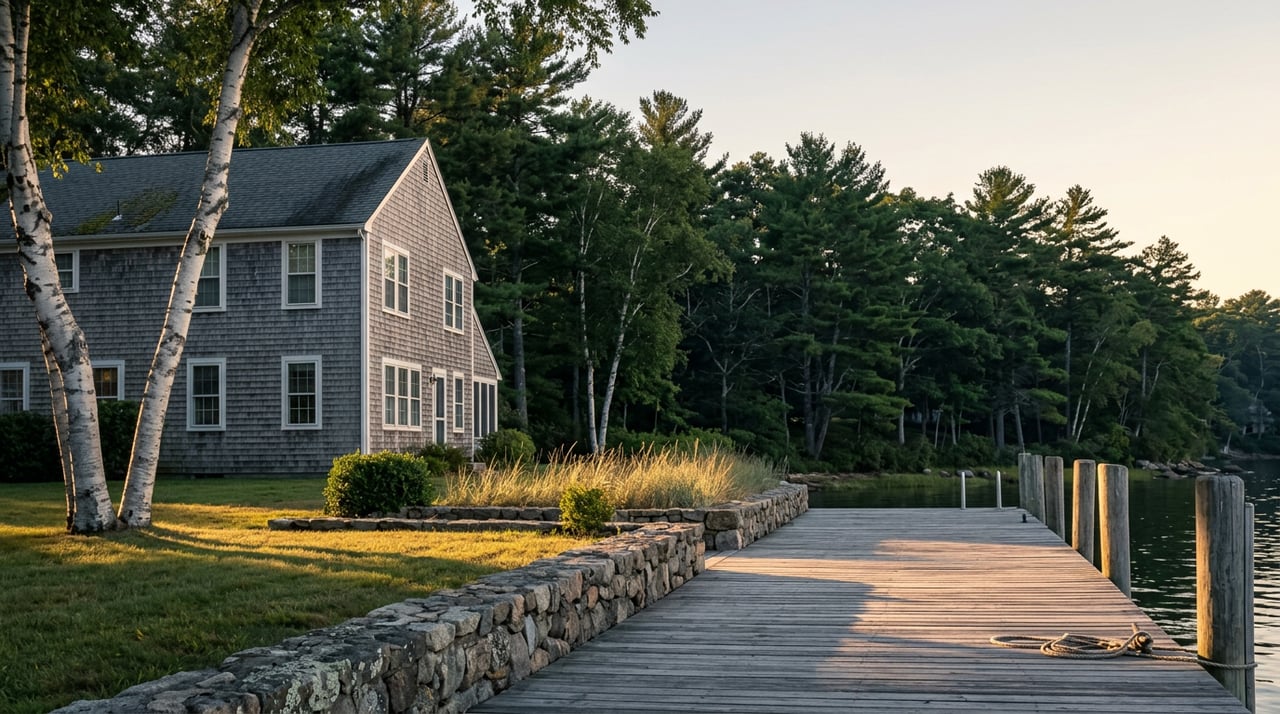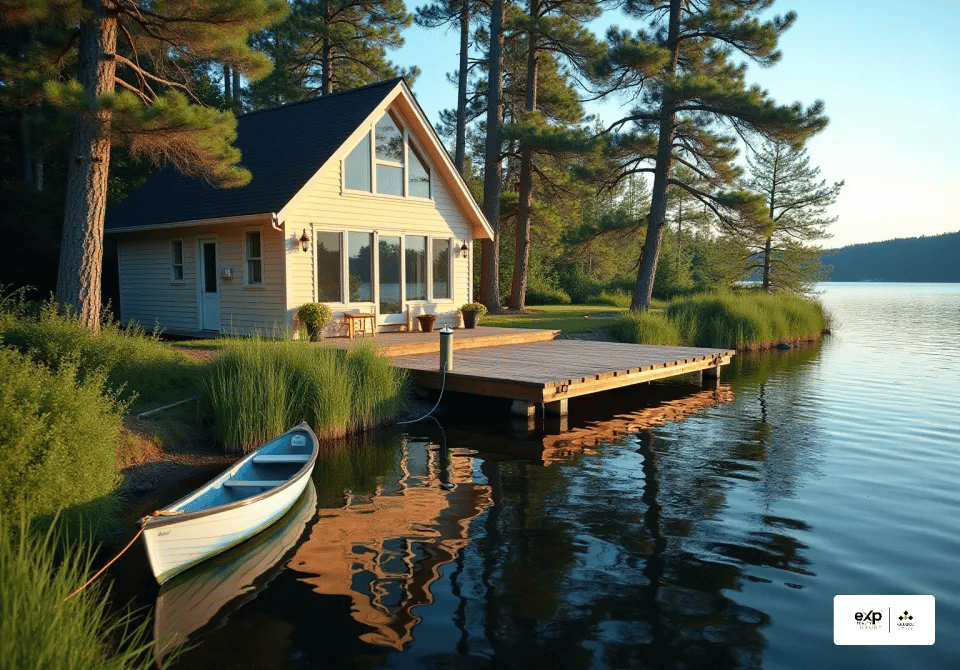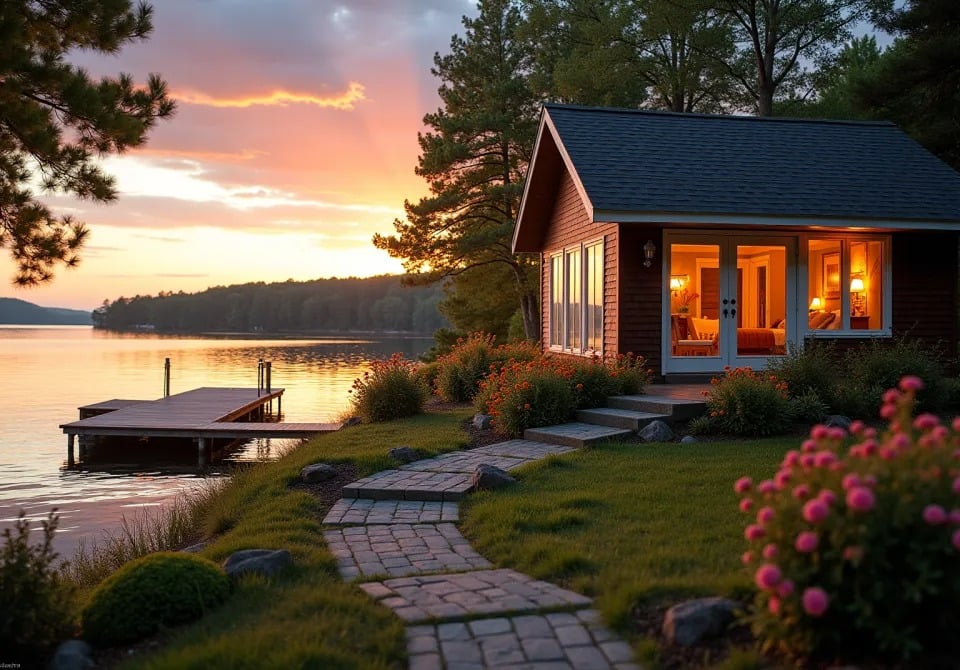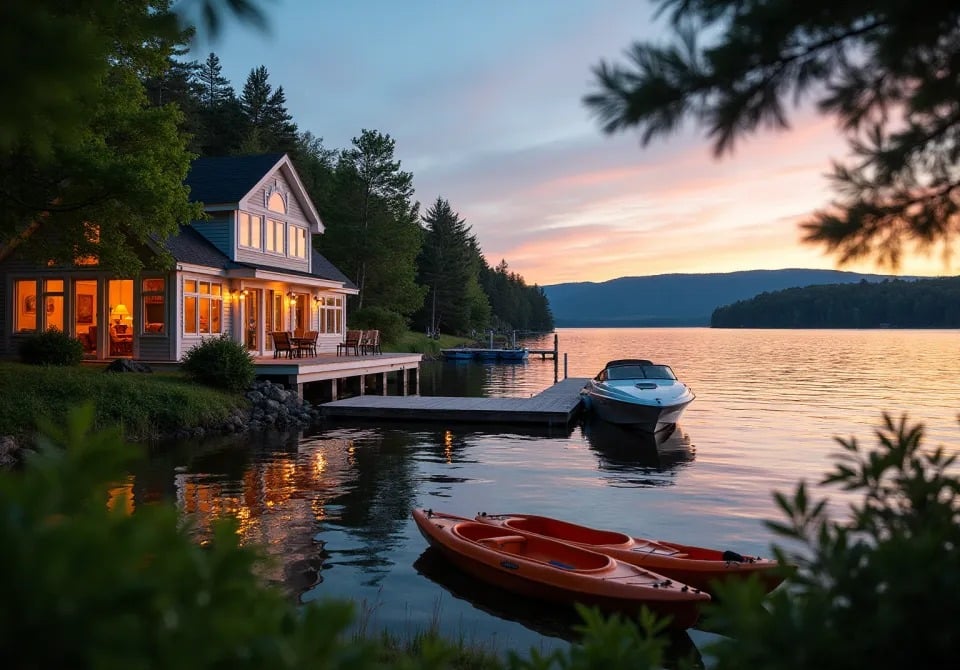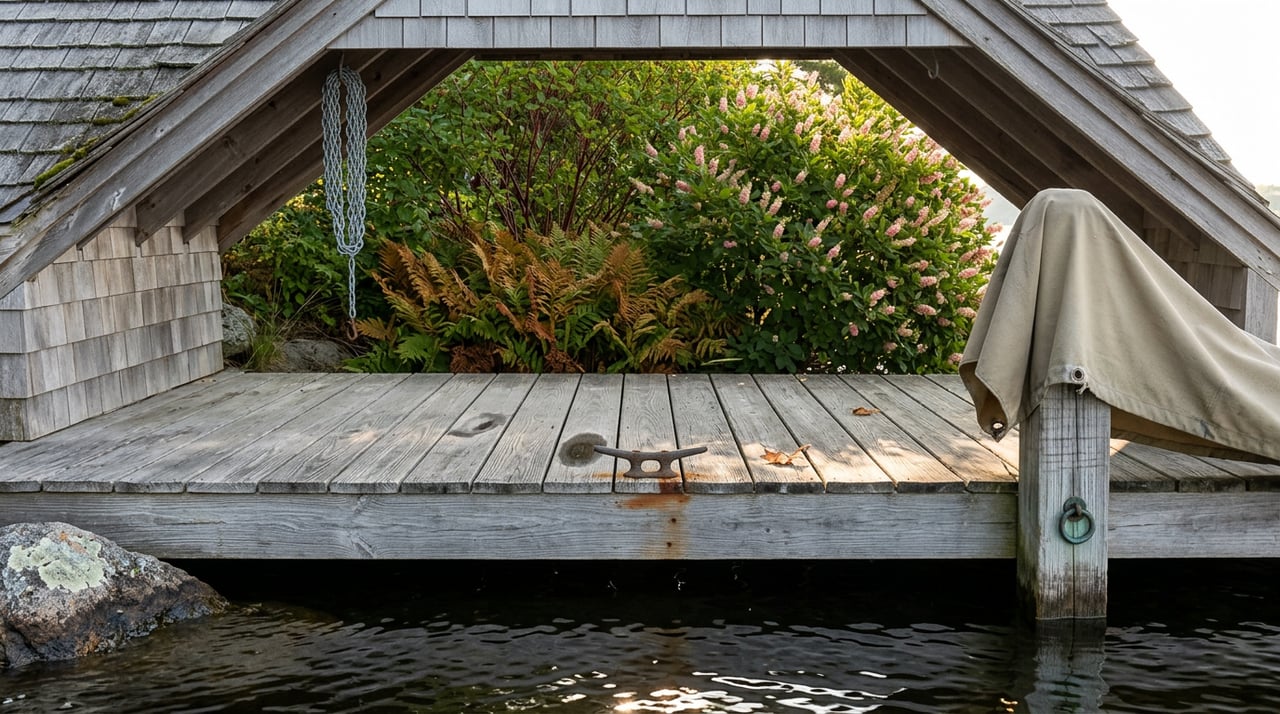
A listing for a property near Jockey Cove crossed my desk this spring with the kind of language that makes waterfront buyers reach for their phones: a grandfathered boat launch, two covered boat slips, and a crib dock, six slips total on 175 feet of frontage. To most buyers, "grandfathered" reads like a warranty. It sounds like the structure came with its own permanent permission slip, sealed the day it was built and honored forever after.
That is not what the word means under New Hampshire law, and the gap between what buyers assume and what the statute actually protects just got more expensive to ignore. Starting January 1, 2026, the contractor you hire to fix that dock carries personal financial exposure if the paperwork behind "grandfathered" turns out to be thin. That single change in who bears the risk is quietly reshaping how waterfront maintenance gets done on Lake Winnipesaukee, and it is worth understanding before you write an offer, not after your inspector walks the shoreline.
What grandfathering actually protects
Under New Hampshire's Shoreland Water Quality Protection Act, a structure is not grandfathered because it is old. It is grandfathered because someone can prove it existed before a specific cutoff and has not changed since. Shoreland contractors who work this frontage regularly point to two dates as the working benchmarks: September 4, 1978 for seasonal structures on all waters, and November 26, 1996 for shoreland structures within 50 feet of the reference line. Those dates come with a caveat contractors repeat for a reason: they are a guide, not a guarantee, and every parcel needs its own look.
Even a structure that clears one of those dates is not free to do whatever it wants. NHDES says before you change the size, location, or configuration of an existing dock, you need a wetlands permit, no matter how long it has been sitting there.
This is the trap in listing language. "Grandfathered boat launch" and "grandfathered over-water boathouse" show up in Wolfeboro listings because they are true statements about status, not proof of documentation. A listing for a Wolfeboro Neck estate touts grandfathered features including an over-the-water boathouse and a walk-in sand beach. NH Environmental Consultants says sandy walk-in beaches now have to be perched behind a retaining wall. It is also exactly the kind of feature where the seller's word is not a substitute for a permit number.
The new pressure point: contractors now have skin in the game
For years, the person most exposed under this law was the property owner. RSA 483-B:18 has long treated violations as carrying civil penalties and, for a natural person, potential misdemeanor charges. That framework did not change. What changed is who else answers for it.
Senate Bill 299, signed into law in June 2025 and effective January 1, 2026, added a new paragraph to RSA 483-B:18 aimed squarely at the people doing the physical work. The bill text is specific:
Contractors who supervise or do any work violating the provisions of this chapter shall be subject to a civil penalty in an amount not to exceed $5,000 for each violation, with the administrative fine multiplied by a factor of 2 for every previous violation committed by the person or entity.
Read that again from a contractor's chair. Before this law, a marine contractor asked to "just replace a few boards" on an old crib dock was mostly relying on the homeowner's assurance that everything was in order. Now the contractor has direct, personal exposure if that assurance turns out to be wrong, and the fine compounds with every prior violation on their record. The rational response is not to take the homeowner's word for it. It is to ask for the permit, the notification number, or the old plans before the first board comes up. Contractors who will not ask are the ones a careful buyer should worry about, not the ones who insist on paperwork.
That shift matters more on this lake than almost anywhere else in the state, because Wolfeboro's own town government treats dock access as contested ground even for its public facilities. At a Select Board meeting in May 2025 setting rules for the 2026 boating season, members spent real time deciding which commercial operators, including the mailboat Blue Ghost, Wake Winni, Winni Adventures, and CW Charters, could use the Town Docks, and under what fee structure, with a board member noting that Wake Winni had been granted one commercial permit but was reportedly using it to run six boats. If the town argues this hard over its own slips, a private dock built decades ago with no surviving paperwork is not going to get a pass because it looks old and settled into the shoreline.
What "major impact" review actually looks like
For buyers who assume any dock dispute gets resolved quietly, a 2023 case on Keniston Island in Wolfeboro is worth knowing. A property owner there sought to remove a seasonal dock and construct a new configuration, a six-foot by thirty-foot wharf paired with repairs to an existing wharf, on frontage exceeding 400 feet. A New Hampshire Governor and Council agenda records that the state classified it as a major impact project, capped the frontage at five permitted slips under the rule governing private and non-commercial docking structures, and the Wolfeboro Conservation Commission was formally invited to weigh in before approval. That is the review a buyer should picture if a grandfathered structure ever needs more than an in-kind repair. It is not fast, and it is not private.
What this costs, and where it shows up in price
None of this shows up as a line item on a listing sheet, but it shows up in the market. Waterfront sales on Lake Winnipesaukee closed the first half of 2026 with 29 single-family transactions totaling roughly $92.6 million and a median sale price near $2.3 million, with the year's highest sale reaching $10.95 million on Wolfeboro Neck. These are overwhelmingly older, larger-frontage properties, the exact category most likely to carry a dock, boathouse, or beach built before the internet existed, let alone before anyone thought to keep a folder of permits.
Buyers paying at that level are not just buying square footage and shoreline. They are buying whatever maintenance friction comes attached to a structure nobody can fully document. A dock that needs a full rebuild in five years because a permit application stalls in review is a real cost, even if it never appears in a comparable sale.
A due diligence sequence that actually protects you
Before you make an offer on a Wolfeboro waterfront property with a grandfathered dock, boathouse, or beach, work through this in order:
- Ask the seller directly for the original wetlands permit number, Permit by Notification record, or any dated plans and photographs establishing when the structure was built, not just a verbal assurance that it is grandfathered.
- Check the construction date against the working cutoffs contractors use, September 4, 1978 for seasonal structures and November 26, 1996 for shoreland structures within 50 feet, and treat these as a starting point for verification rather than a final answer.
- Search NHDES OneStop for any wetlands or shoreland application tied to the parcel, since a documented history there is worth more than any claim in the listing description.
- When you get contractor bids for repair or maintenance, ask each one directly whether they will do the work within the existing footprint only, or whether they will require a new permit first. A contractor who hesitates without paperwork is being rational, not difficult.
- Build the cost and timeline of a possible permit process into your offer or your reserve for repairs, rather than discovering it the first time you need a dock fixed.
Questions worth asking before you sign
What if the seller has no documentation at all? You still have options, including a formal site assessment or voluntary dock registration with NHDES to create a record going forward, but you should treat the absence of paperwork as a real negotiating point, not a formality to wave off.
Does SB299 mean I am safe from penalties if I do the work myself instead of hiring a contractor? No. The new law adds exposure for contractors specifically, but the underlying obligations on property owners under RSA 483-B have not changed. Doing the work yourself does not remove your own liability.
Waterfront due diligence on this lake was never about reading the listing description twice. It is about knowing which words carry a paper trail and which ones are doing marketing work. If you are looking at a Wolfeboro property with a dock, boathouse, or beach described as grandfathered, get the documentation confirmed before you are under contract, not after.
Cisneros Realty Group works through exactly this kind of shoreline due diligence with buyers before they write an offer on the Lakes Region's older waterfront properties. If you are looking at a Wolfeboro listing with a dock or boathouse history you cannot fully verify, schedule a call before you get too far into the process to ask the right questions.
This article is general information, not legal, tax or financial advice. Consult a qualified professional about your situation.