When preparing a home for sale, most advice centers around neutralizing: decluttering, depersonalizing, and removing anything that could distract potential buyers. But this strategy can sometimes go too far. In the rush to “make it market-ready,” sellers often remove or replace features that actually contribute to a buyer’s interest and perceived value.
Here are seven elements worth preserving, even if they seem outdated, personal, or unconventional. In many cases, these details add emotional appeal, signal quality, or make the home easier to live in, all things that matter more than a blank slate.
1. Original Hardwood Floors, Even if Scratched
Hardwood remains one of the most sought-after flooring materials. Sanding and refinishing original wood floors is often less expensive than full replacement. According to HomeLight’s year-end agent survey report for 2024, refinishing hardwood floors has the highest ROI of any pre-sale project, with homeowners recouping an estimated 147% of the project cost on average.
Buyers generally understand that floors show wear. What matters more is the material. Wood, even with minor imperfections, is typically preferred over laminate or carpet and contributes to a sense of quality and longevity. A few scuffs are rarely a dealbreaker.
2. Architectural Character Like Medallions, Moldings, and Built-ins
Details like ceiling medallions, crown molding, arched doorways, built-in bookshelves, and vintage trim work may not align with every buyer’s aesthetic, but they provide something more valuable than modern homogeneity: a sense of place.
These features are often expensive to reproduce and difficult to find in new construction. While minimalism remains popular in staging, removing original design elements can erase the very character that makes a home memorable. Retaining them doesn’t prevent a sale, it can also help your property stand out.
3. Mature Landscaping and Established Outdoor Elements
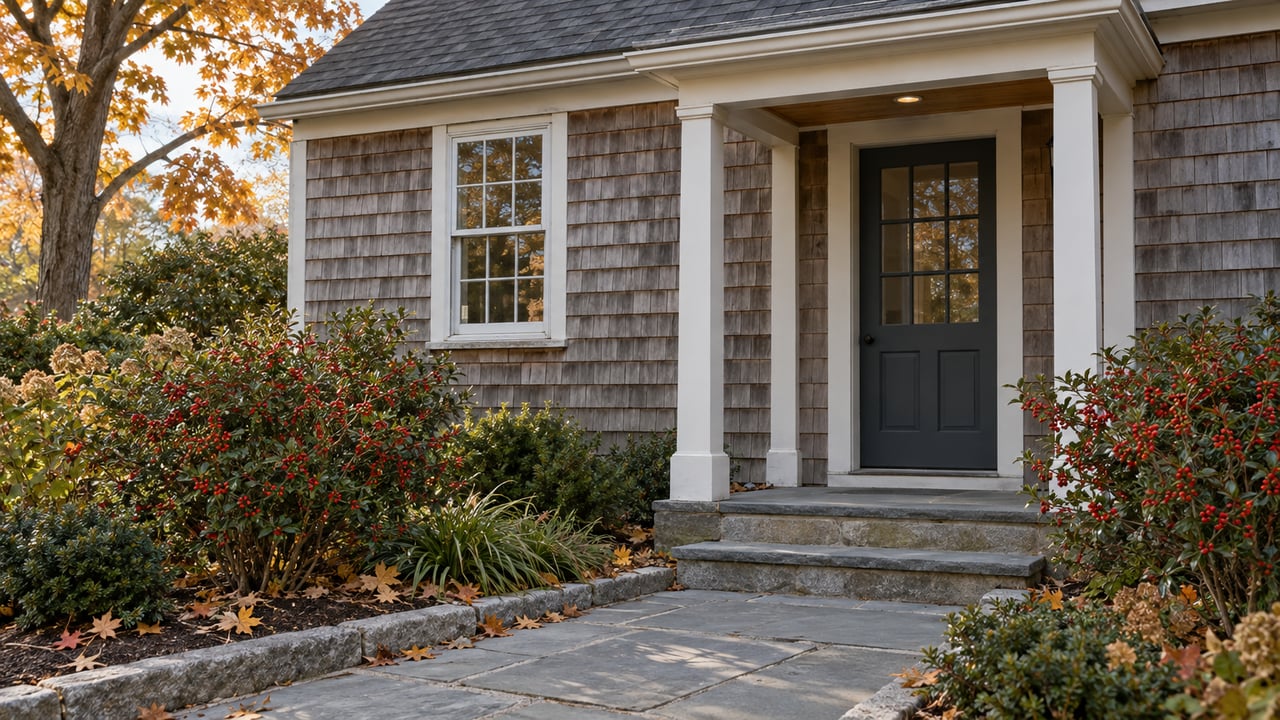
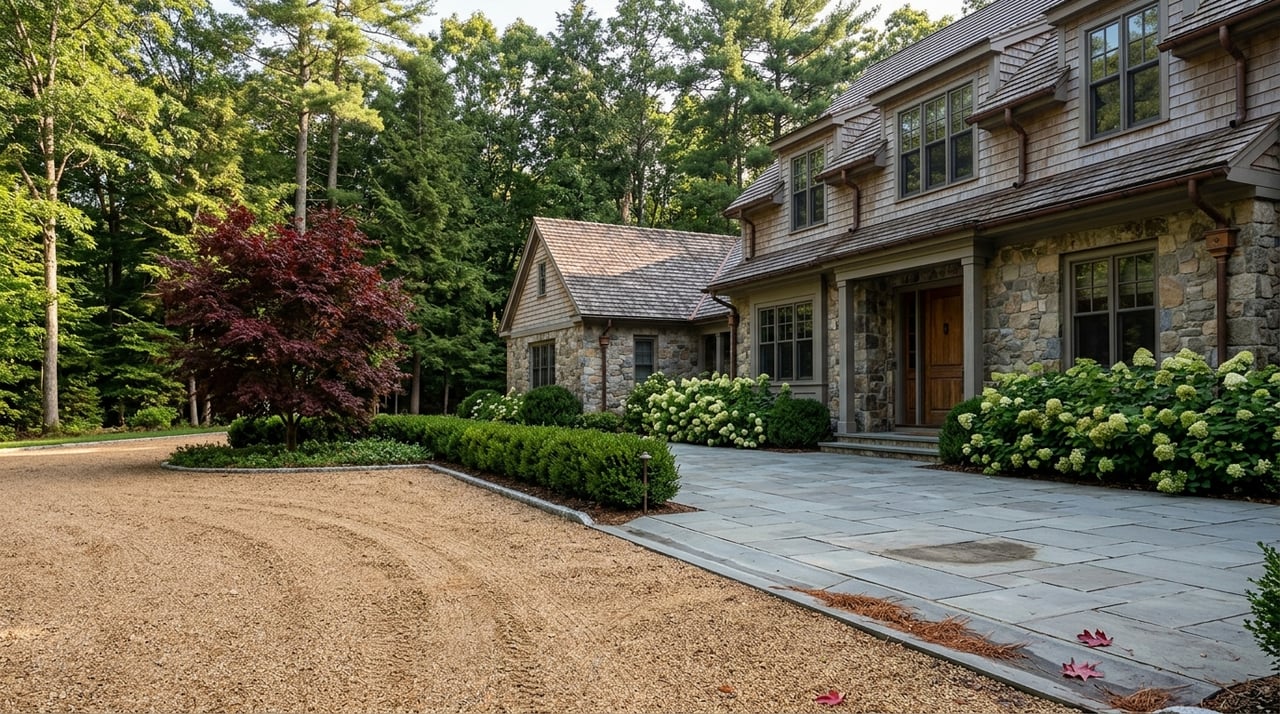
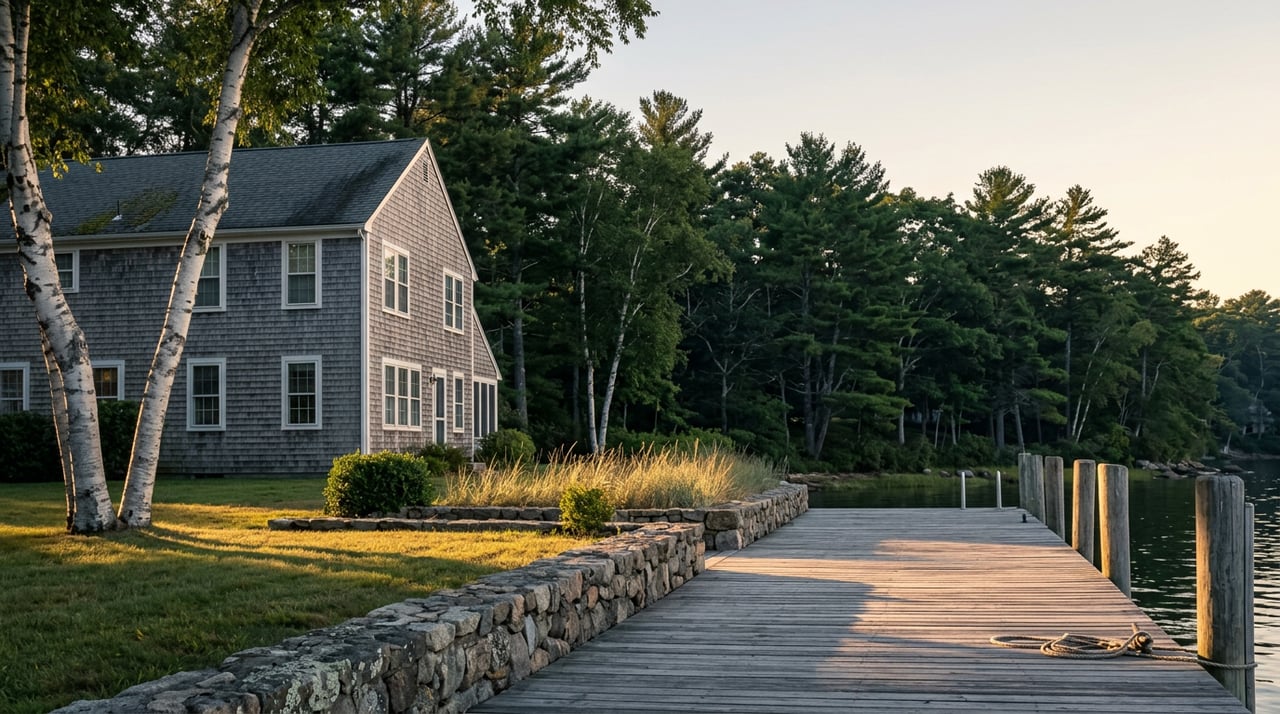
Inexperienced sellers sometimes remove large trees, stone borders, or even perennial plants in an effort to simplify curb appeal. While overgrown landscaping may need pruning, mature trees and native plantings add significant perceived and actual value.
Some landscaping and tree-value guides state that a mature tree may be appraised at $1,000 to $10,000 in value, though specific impact can vary greatly by species, condition, location, and market. Buyers also respond emotionally to settings that feel settled and private. Replacing natural elements with mulch and lawn can backfire if the yard ends up feeling stark or underdeveloped.
4. Statement Lighting and Non-builder Fixtures
While some light fixtures can be too specific to personal taste, swapping everything out for builder-basic lighting can make a home feel flat or unfinished. Decorative pendants, mid-century sconces, or antique chandeliers, if clean and functional, often give rooms a sense of completion and quality.
If a fixture is unusual but matches the scale and function of the room, consider keeping it through the listing period. The goal isn’t to appeal to every possible style preference, but to avoid a space that feels completely stripped down or generic.
5. Functional Zones Like Mudrooms, Utility Sinks, or Laundry Nooks
Spaces that support daily life, like a designated mudroom area, garage utility sink, or laundry folding counter, might seem secondary, but they often influence how livable a home feels. Removing these for the sake of square footage or minimalism can be a mistake.
Buyers appreciate signs that a home was thoughtfully used and maintained. These features don’t need to be overhauled, just cleaned and presented clearly. The presence of a practical space is often more compelling than a perfectly styled one.
6. Natural Materials With Visible Wear Like Wood, Stone, or Brick
Not every surface needs to be shiny and new. Buyers increasingly value authenticity in finishes, even when that means visible aging or imperfections. Original slate floors, exposed brick, or aged butcher block counters can communicate craftsmanship and permanence.
Replacing these with newer, lower-cost materials may not create the impact sellers hope for. Especially in older homes, the mismatch between old and new can be jarring. Instead of scrubbing away every sign of age, focus on maintenance and cleanliness.
7. Outdoor Lifestyle Touches Like Fire Pits, Water Features, or Hammocks
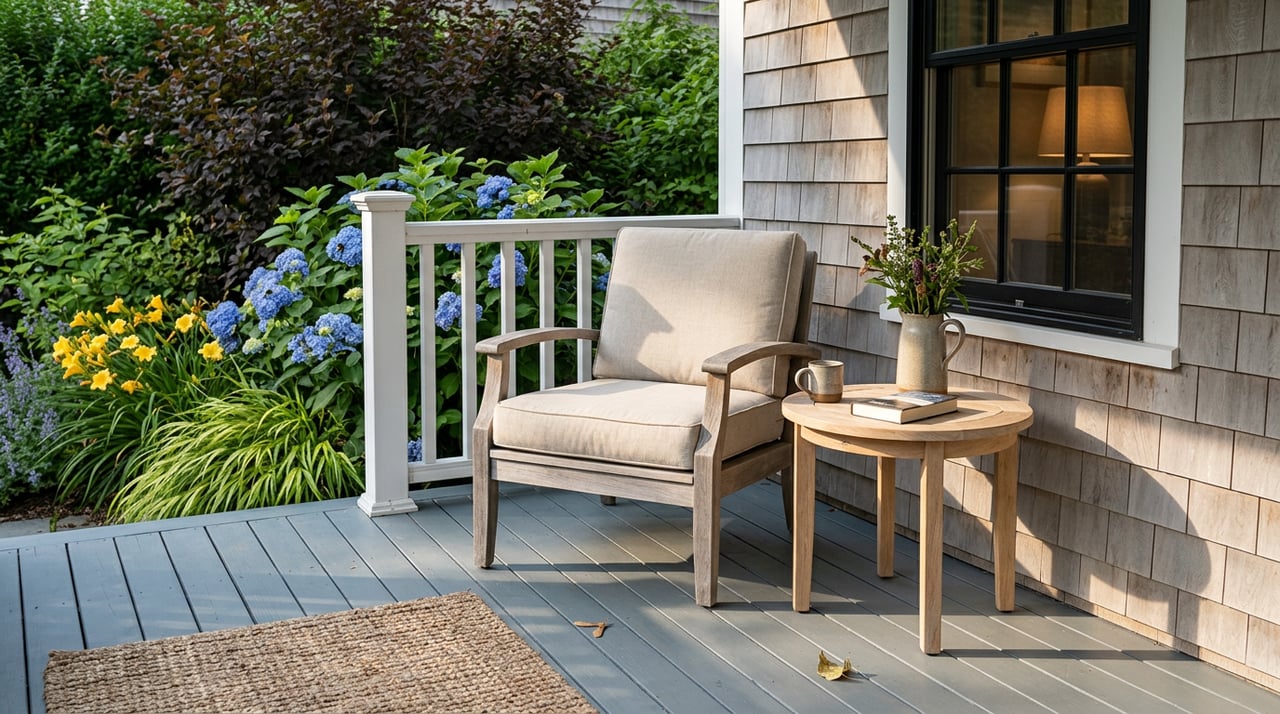
These elements may seem too personal to leave in place, but they often help buyers envision how they’ll enjoy the space. A small patio with string lights and a hammock can evoke a lifestyle, not just a layout. And for many buyers, especially in post-pandemic markets, outdoor space has become a top priority.
Removing these touches can make the yard feel sterile or empty. Instead, edit and tidy the setup. but consider leaving enough to suggest how the space is used. It’s not about decoration, it’s about possibility.
Why This Matters
Buyers aren’t just evaluating square footage and upgrades, they’re responding to the story your home tells. A too-blank slate can leave them struggling to imagine life there. And when homes blend together, emotion is what tips the scales.
Neutralizing is still useful. But it should be balanced with thoughtful preservation. Ask yourself not just “what should I remove?” but also “what’s worth keeping?”
Some elements can help buyers connect with a home, see its value, or picture their life more clearly, and that connection is what sells.
Not everything needs to go.