Thinking about Lake Winnipesaukee but not sure where your life fits best around the shoreline? You are not alone. Each corner of the lake has a distinct rhythm that changes with the seasons, the boat traffic, and the distance to town. In this guide, you will learn how the main areas feel to live in, what types of homes you will find, the practical trade-offs, and what to check before you buy or sell. Let’s dive in.
Lake context: how it lives year-round
Lake Winnipesaukee spans several towns in New Hampshire’s Lakes Region, including Meredith, Center Harbor, Moultonborough, Tuftonboro, Wolfeboro, Alton, Gilford, and Laconia. Each town runs its own municipal services and zoning, so lifestyle and permitting can vary.
Life here follows the seasons. Late spring to summer is high season for boating, marinas, beaches, and waterfront dining. Fall is quieter and scenic. Winter shifts to ice fishing, snowmobiling, and cross-country skiing where safe. Ice-out, the moment when the lake becomes navigable, is tracked each year by state and local groups, including New Hampshire Fish & Game.
Waterfront improvements and septic work often require approvals. The New Hampshire Department of Environmental Services (NHDES) oversees shoreland and septic rules, while the Lake Winnipesaukee Association focuses on water quality and invasive-species stewardship. These resources are useful touchpoints as you plan.
Zone A: buzzy hubs — Meredith, Wolfeboro, Laconia/Gilford
These walkable towns are the social centers of the lake.
Seasonal vibe
- Spring: Shops and restaurants reopen, docks go in, events ramp up.
- Summer: Peak energy. Downtowns, marinas, and waterfront dining are lively. Expect traffic on weekends and holidays.
- Fall: Steady but calmer, with foliage drives and lake cruises.
- Winter: Quieter streets and reduced hours, yet year-round residents keep things moving.
Homes you find
You will see historic homes and Victorians, in-town single-family properties, some downtown condos, and select waterfront parcels near marinas. Laconia also includes multifamily options.
Pros to love
- Everyday services close by: groceries, restaurants, pharmacies, schools, marinas, and boat services.
- Established tourism infrastructure and seasonal shuttles in key areas.
- Better proximity to regional healthcare.
Trade-offs to weigh
- Summer congestion and more limited privacy along some downtown shorelines.
- Higher pricing for walkable locations and direct waterfront.
Getting around
Local errands are quicker from these hubs. Regional trips to Concord or Manchester are feasible, though summer traffic can slow drives. Commercial air travel usually means a 1 to 2 hour drive to larger airports.
Zone B: quiet coves and rural shorelines — Moultonborough, Tuftonboro, Center Harbor, Alton
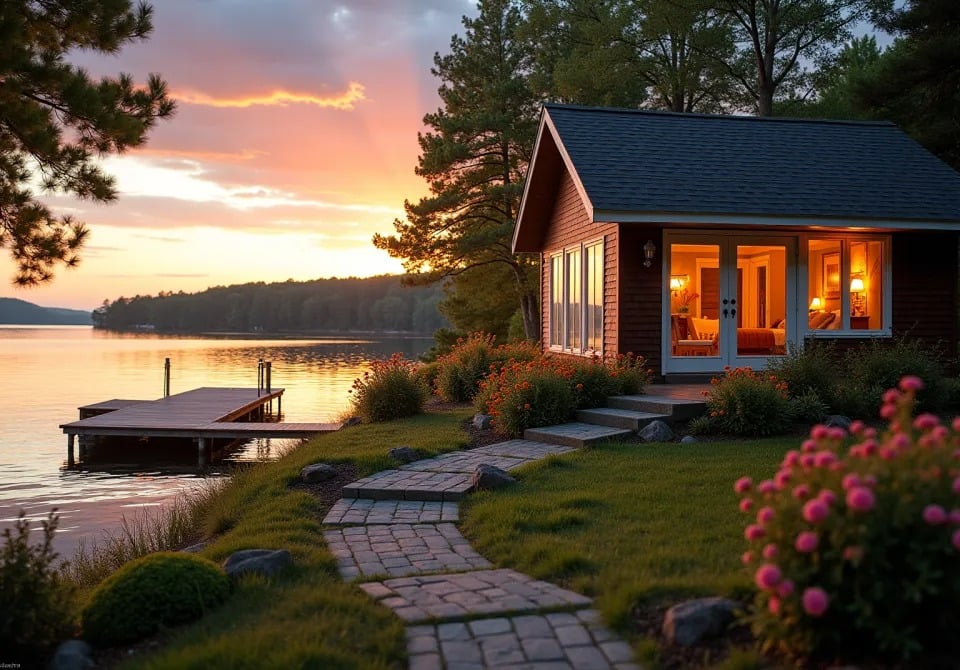
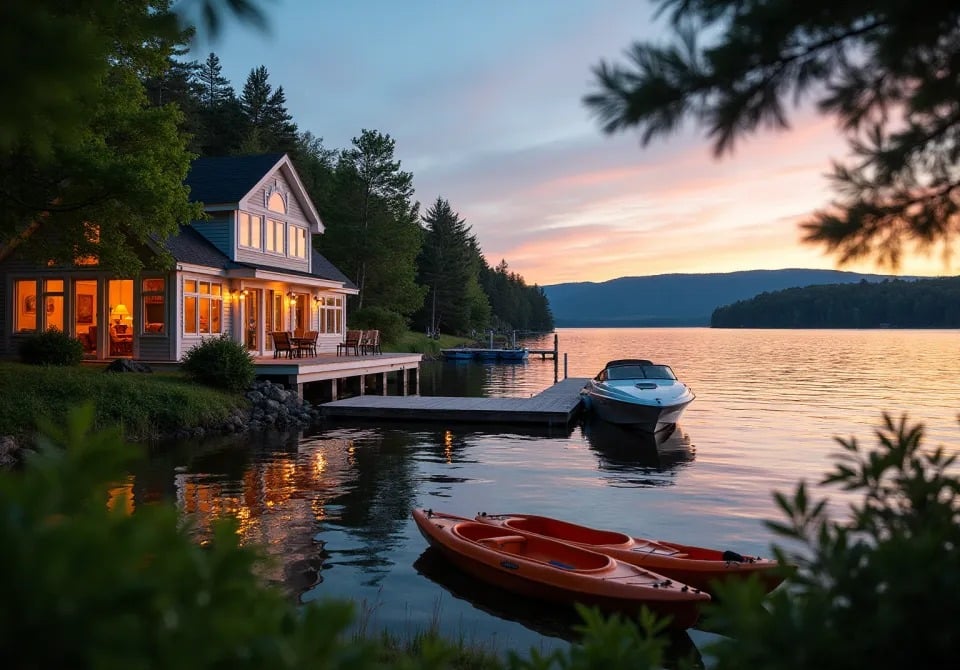
Privacy and nature define these stretches, with a more secluded feel.
Seasonal vibe
- Spring: Tranquil shorelines as owners ready their properties.
- Summer: Active for homeowners and boaters, but fewer transient visitors than big bays.
- Fall: Very peaceful and scenic for those who want quiet.
- Winter: A remote feel deepens. Snow and ice management matter on private roads and longer driveways.
Homes you find
Single-family homes, classic seasonal camps and cottages, larger private lots, and luxury estates tucked into coves. Condo options are more limited than in hubs.
Pros to love
- More privacy and quieter boating with a natural shoreline setting.
- Larger lots and fewer short-term visitors in many pockets.
Trade-offs to weigh
- Longer drives for groceries, dining, schools, and medical care.
- Some steep lots, private road agreements, or older septic and well systems to evaluate.
Getting around
If you work locally or remotely, these areas shine. For daily commuting to regional employers, add buffer time in peak summer.
Zone C: island living — boating-only culture
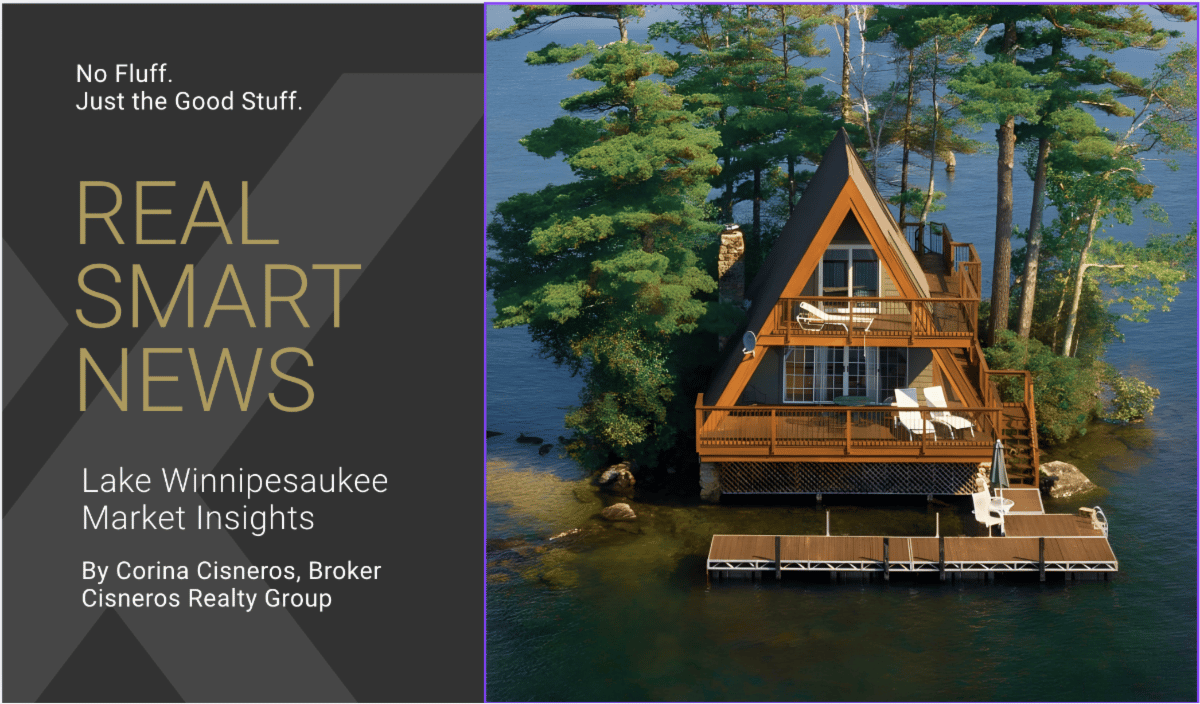
Lake Winnipesaukee’s inhabited islands offer a one-of-a-kind lifestyle that revolves around your boat, community docks, and careful planning.
Seasonal vibe
- Spring: Return depends on ice-out and any ferry schedules. Owners prep for summer.
- Summer: Strong privacy and a tight-knit, seasonal community feel.
- Fall: Populations taper after Labor Day and on non-peak weekends.
- Winter: Access varies based on freeze conditions and weather. Utilities and logistics can be complex.
Homes you find
Seasonal cottages and camps, plus a smaller number of year-round homes with full utilities. Some associations manage docks or interior roads.
Pros to love
- Unmatched privacy and a pure waterfront experience.
- Highly appealing to dedicated boaters and those seeking something rare.
Trade-offs to weigh
- Logistics for supplies, construction, and emergency access.
- Utilities and insurance can be more involved. Permits for docks or shoreline work require early planning.
Getting around
Daily commuting off-island adds time and coordination. Boat launches, ferry options, and private docking arrangements are central to your routine.
Zone D: family-friendly in-town stretches — near schools and services
Neighborhoods just off the water in parts of Meredith, Gilford, and Wolfeboro balance proximity to community life with access to the lake.
Seasonal vibe
- Spring: School and community programs spring back to life.
- Summer: A true year-round neighborhood feel with lake fun nearby.
- Fall: Stable daily rhythm anchored by the school calendar.
- Winter: Reliable municipal services and snow removal keep things smooth.
Homes you find
Single-family homes with yards, townhomes, and cottages converted for year-round living. Some areas offer proximity to parks, community centers, and public schools.
Pros to love
- Everyday convenience and strong community amenities.
- Predictable municipal services through all seasons.
Trade-offs to weigh
- Limited direct waterfront ownership for many addresses.
- Premiums for homes with quick access to community docks or beaches.
Getting around
Short, manageable local commutes to services. Regional trips to Concord or Manchester are common for work or air travel.
Permits, utilities, and risk: what to know
Buying or selling on Winnipesaukee involves more than curb appeal. Start early on permits and infrastructure.
- Dock and shoreline permits: Many docks, boathouses, and shoreline stabilization projects require town approvals and state review. Begin with NHDES resources, then confirm local steps with your town’s planning or conservation office.
- Septic and potable water: Most properties use on-site septic and private wells. Older systems may need upgrades for year-round use. Expect inspections and plan for replacements where needed under NHDES standards.
- Hazard insurance and flood risk: Waterfront homes may require specialized coverage for wind, water intrusion, or ice damage. Ask for FEMA flood maps and quotes during due diligence.
- Utilities and winterization: Islands and remote coves can have seasonal utilities or require robust winter prep. Confirm electric, internet providers, and snow or road maintenance.
- Short-term rentals (STRs): Rules vary by town and have evolved. Check the municipal website and planning pages for current ordinances before you model rental income.
- Stewardship and invasive species: Expect boat inspection practices and prevention protocols at some marinas. Learn best practices through the Lake Winnipesaukee Association.
Town resources for local rules
Start with your prospective town’s website to confirm zoning, STR ordinances, and permitting contacts:
- Meredith: Town of Meredith
- Moultonborough: Town of Moultonborough
- Wolfeboro: Town of Wolfeboro
- Laconia: City of Laconia
If you are focused on Gilford, Tuftonboro, Center Harbor, or Alton, their municipal sites provide similar planning and zoning guidance.
Your due-diligence checklist
Use this simple, practical framework to move confidently.
- Confirm zoning, shoreland setbacks, and any conservation easements with the town planning office.
- Order a recent septic inspection and budget for upgrades if the system is older.
- Request FEMA flood maps and obtain an insurance quote that includes wind and water coverage.
- Verify dock rights, permits, and nearby marina slip availability if you need more capacity.
- Check local STR rules, registration requirements, and any association covenants.
- Ask sellers for utility bills, winterization routines, and records of shoreline work with permits.
- Review emergency services coverage and hospital proximity. Laconia is a central hub for regional medical services.
- Learn marina and launch policies for invasive-species inspections before relaunching boats.
Which corner feels like you?
If you want walkable energy close to dining and marinas, start in Meredith, Wolfeboro, or Laconia/Gilford. If you crave privacy and bigger lots, explore Moultonborough, Tuftonboro, Center Harbor, and Alton. For a rare boating-first lifestyle, consider the islands. If everyday convenience and community events matter, focus on in-town stretches near schools and parks.
When you are ready for a private, curated search tailored to your season, boat use, and permitting needs, connect with our team. Request an Invitation through Cisneros Realty Group and we will align you with the right shoreline and the right opportunity.
FAQs
What is Winnipesaukee ice-out and why it matters?
- Ice-out marks when the lake becomes safely navigable and signals the start of the boating season, which affects island access, dock installs, and early-spring showings.
How do dock permits work on Lake Winnipesaukee?
- Many dock and boathouse projects need municipal approvals and state review; start with NHDES resources and confirm steps with the town planning office.
What should I know about septic and wells for lakeside homes?
- Most homes use on-site septic and private wells; plan for inspections and potential upgrades to meet NHDES standards, especially if converting a seasonal cottage to year-round use.
How busy are the hubs in summer and what does that mean?
- Meredith, Wolfeboro, and Laconia/Gilford are lively in peak season, so expect traffic and wait times along with easy access to marinas, dining, and events.
What makes island living different on Winnipesaukee?
- It offers privacy and a boating-centered lifestyle, but you must plan for transport, utilities, emergency access, and seasonal changes in service levels.