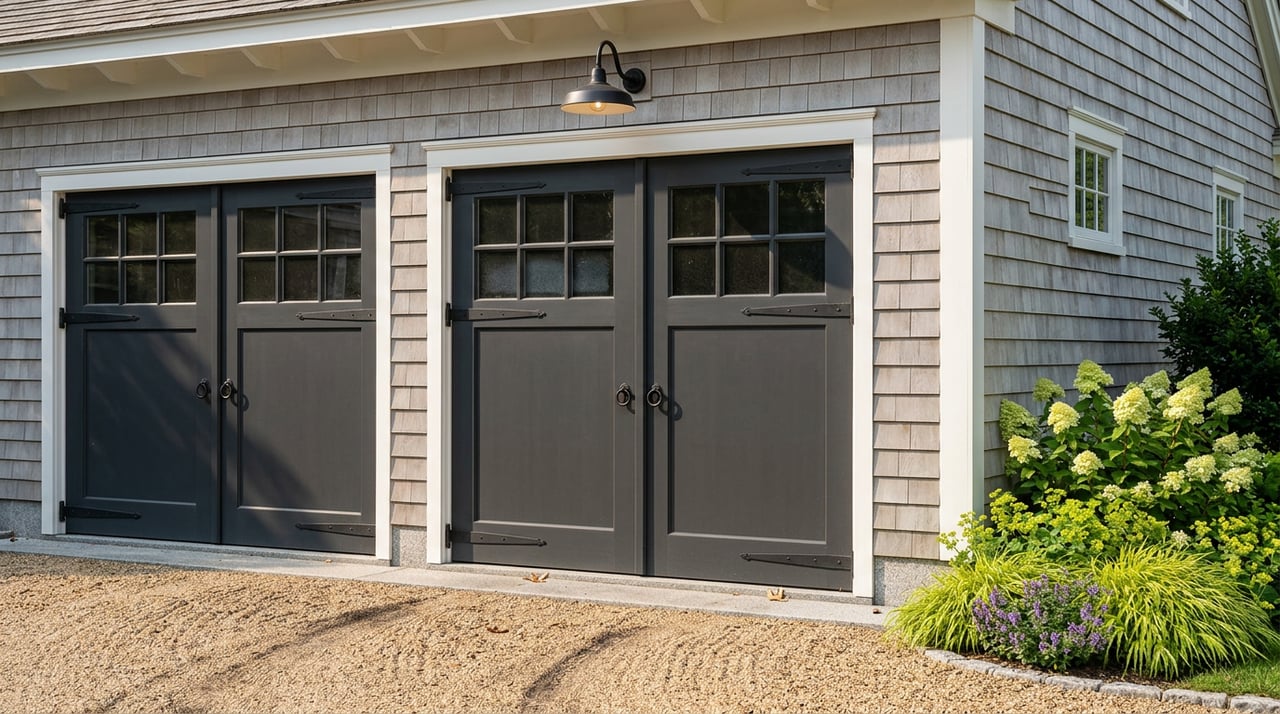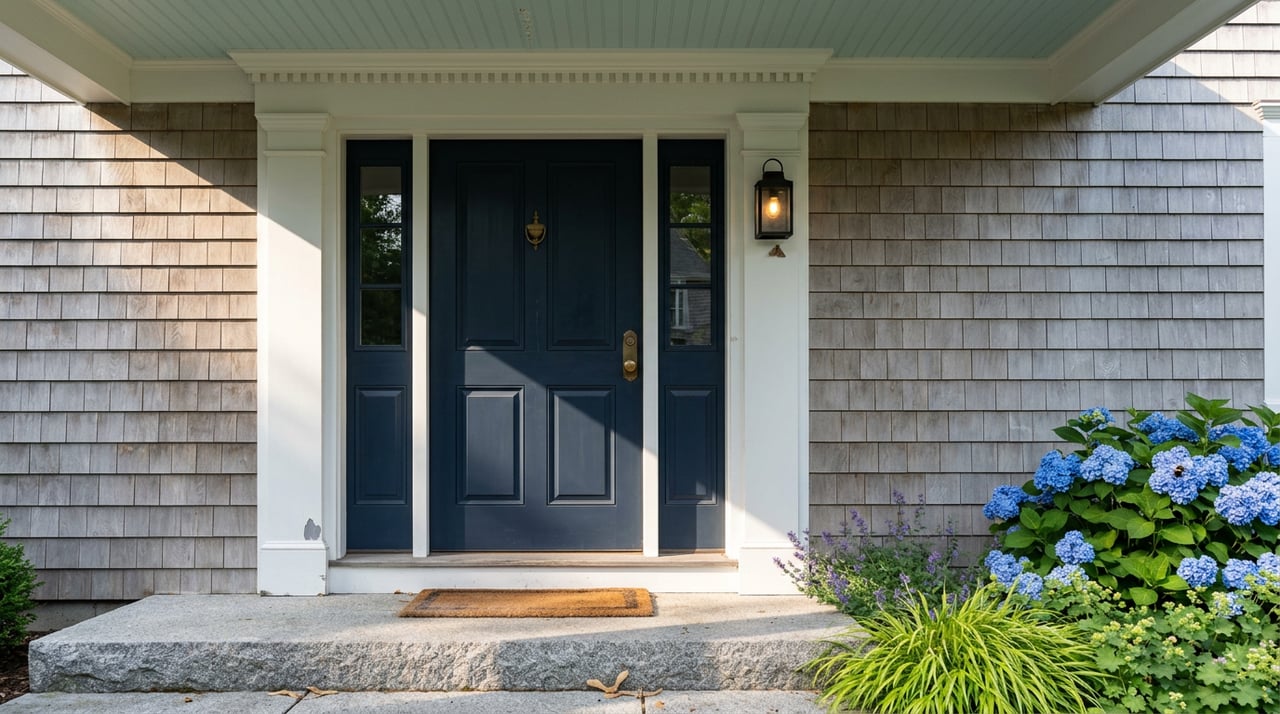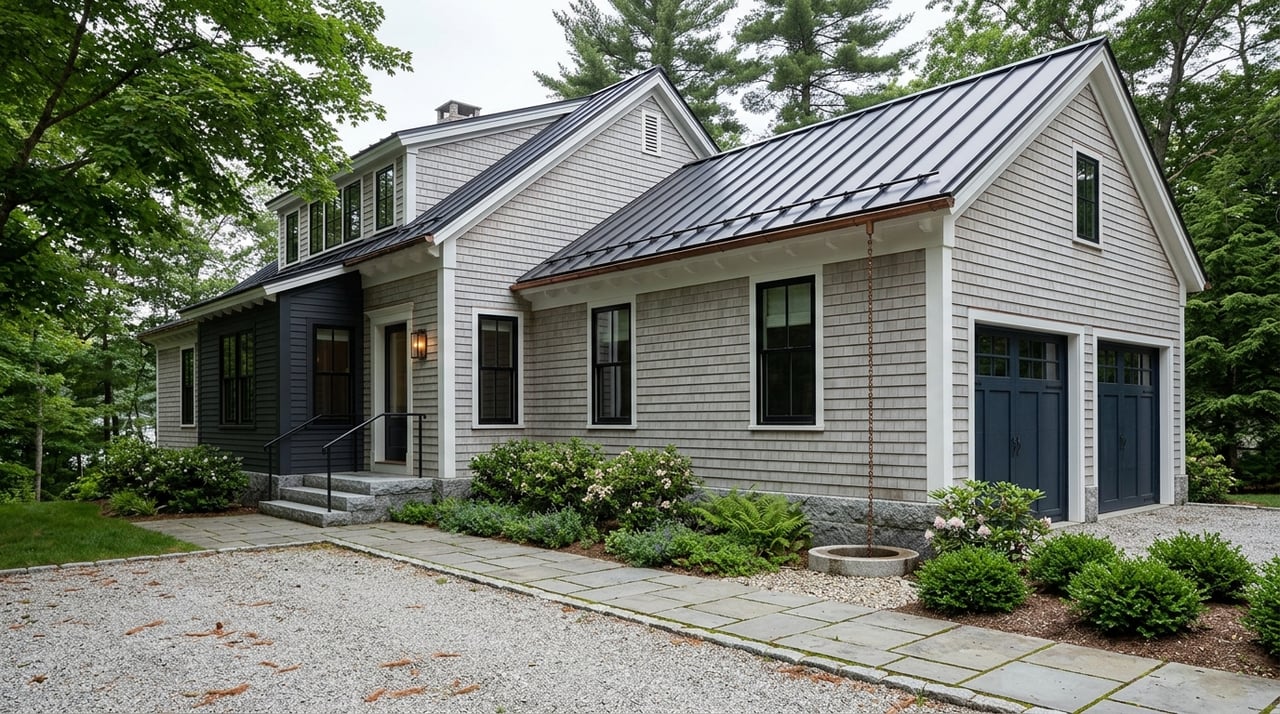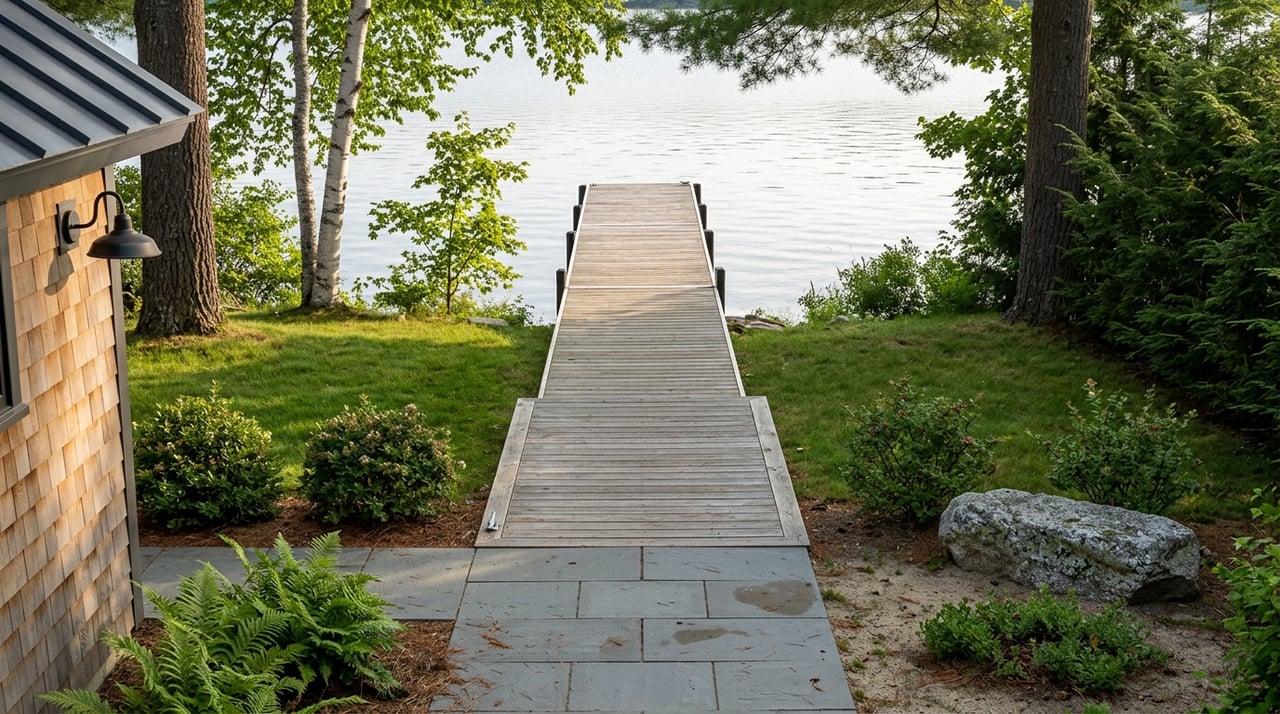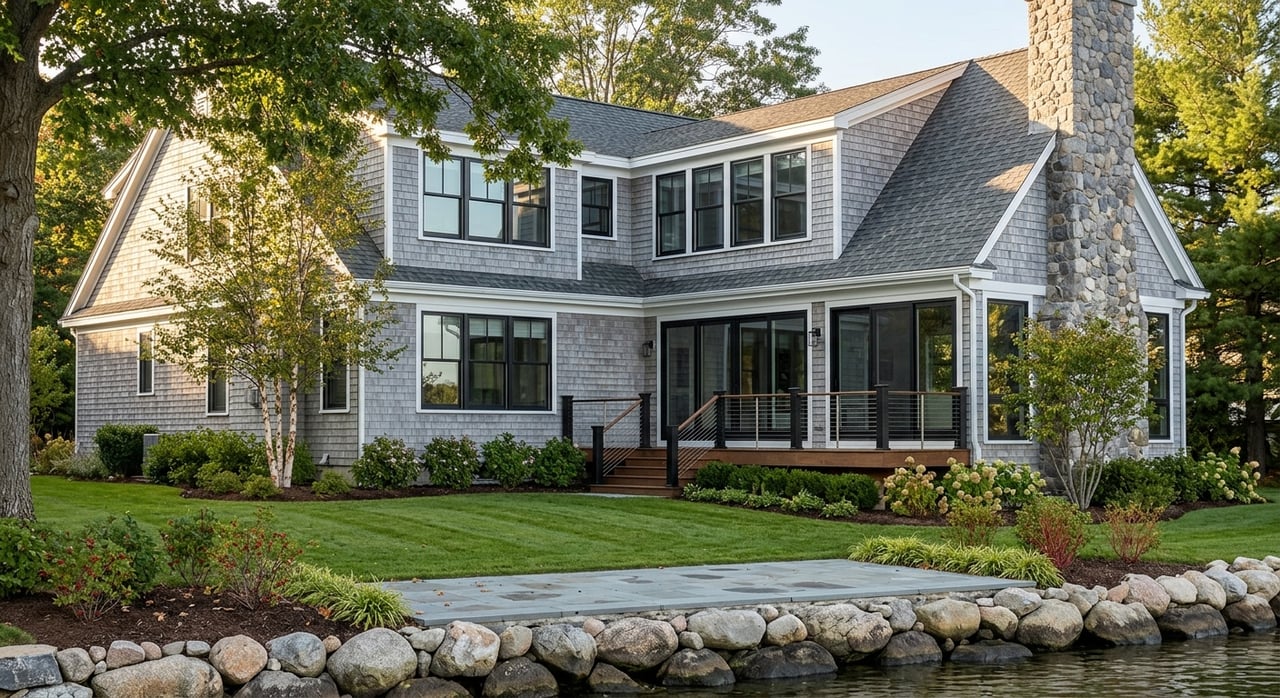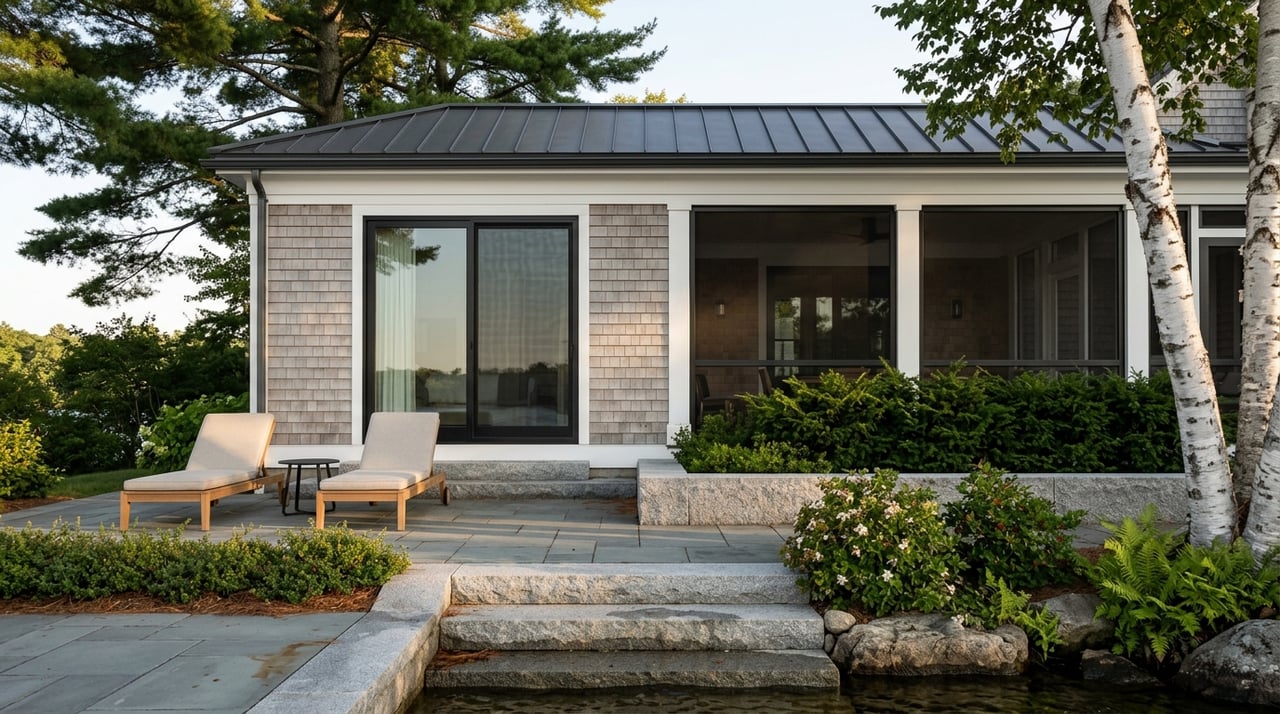
Every listing sheet in Moultonborough eventually gets to the tax line, and it's almost always framed the same way: lowest rate in the state, one of the best deals in New Hampshire, a town where your money goes further. Buyers hear this enough times that it starts to sound like a fact about the house rather than a fact about the math behind it. It's true that the town's rate is remarkably low. It's also true that the rate is answering a different question than most buyers think it's answering.
The 2025 rate set by the New Hampshire Department of Revenue Administration puts Moultonborough at $5.33 per $1,000 of assessed value, down from $5.65 in 2024, a 5.66 percent drop. That number is real and it's current. What it doesn't tell you is what your specific tax bill will actually be, or whether Moultonborough is meaningfully cheaper than the handful of other Lakes Region towns sitting right next to it on the state's list.
The Number Everyone Quotes
A tax rate is a fraction. The town's total tax commitment sits on top, the total assessed value of every taxable property in town sits on the bottom, and the result gets expressed per $1,000. In 2025, Moultonborough's total commitment came to roughly $36.3 million after war service credits, spread across a municipal rate of $1.68, a county rate of $0.75, a state education rate of $1.05, and a local education rate of $1.85. Town Administrator Angela Bovill put it plainly when the new rate was announced:
"It is among the lowest, and a lot of it is our assessment."
That single sentence is the whole story. The rate isn't low because the town spends less than its neighbors. It's low because the denominator is enormous.
What's Actually in the Denominator
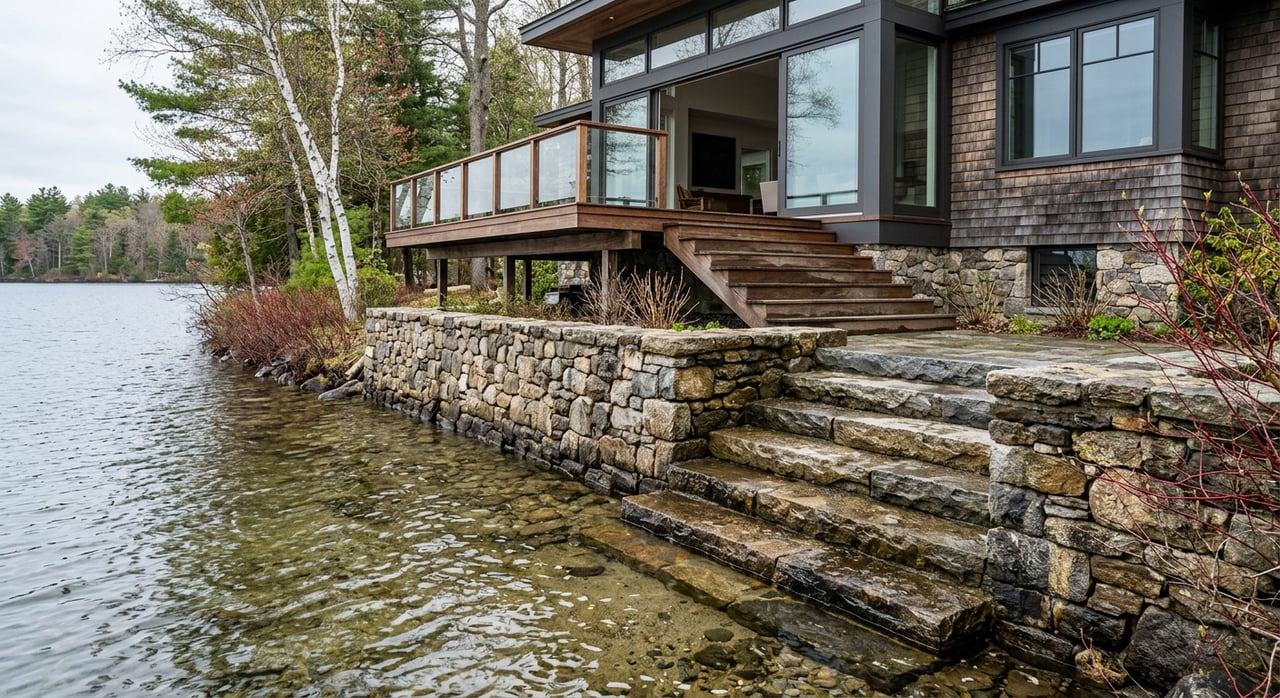
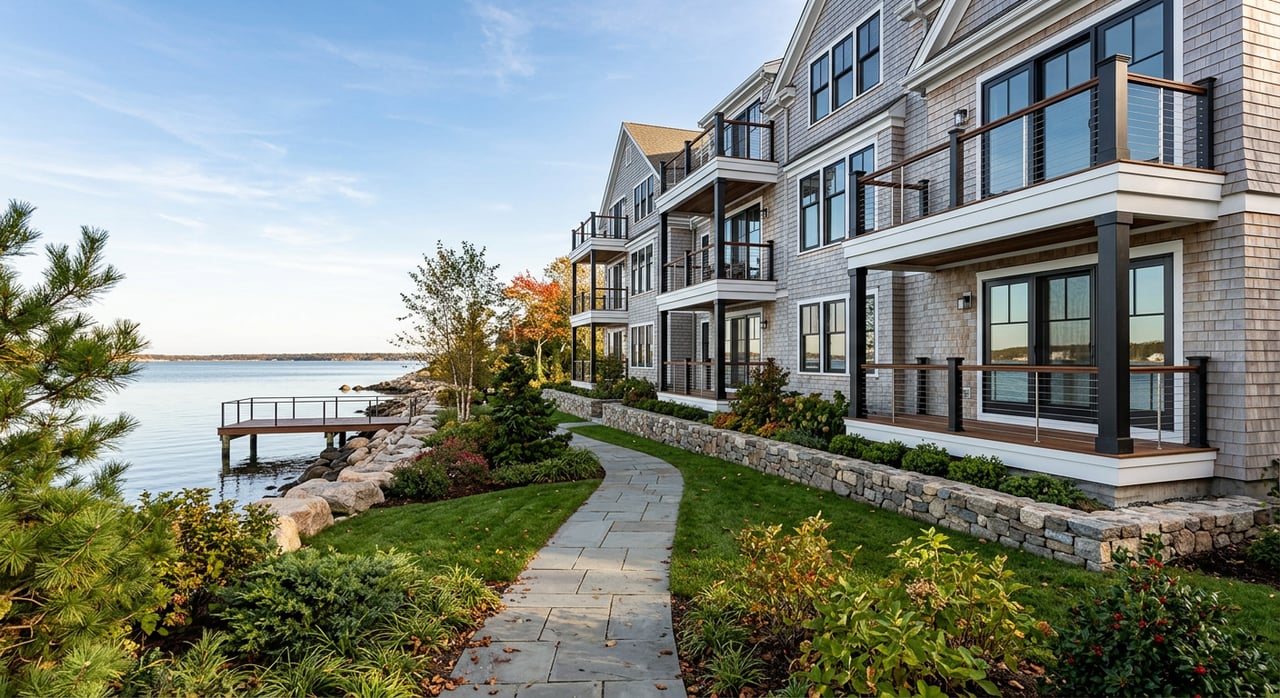
Moultonborough's total assessed net valuation for 2025 came in at just under $6.87 billion, an increase of $540.7 million, or 8.54 percent, over 2024. That's the assessed value behind a year-round population under 5,000 people. A Concord Monitor analysis published in April 2026 framed this using a metric called Equalized Value Per Capita, and found that Moultonborough carries about $1.38 million of taxable property for every resident, a figure the paper attributed directly to towns with heavy concentrations of large second homes that carry high assessed value but aren't occupied year-round. Moultonborough's own shoreline explains why that figure runs so high: the town holds more than 70 miles of rocky and sandy waterfront, more than any other town in the state, and that frontage carries some of the highest per-acre assessments in the Lakes Region.
Divide a modest tax commitment by a valuation base that large and you get a low rate almost by construction. The town isn't spending less per resident. It's spreading the same kind of spending over a much bigger pool of expensive real estate, most of which belongs to people who use the schools and municipal services less than a comparable year-round household would.
The Cluster Nobody Advertises
Here's where the marketing claim starts to lose its edge. In 2024, when Moultonborough's rate was $5.65, it ranked fourth lowest in the state. The three towns with lower rates that year were Bartlett at $5.58, Bridgewater at $5.40, and New Durham at $5.39. Hale's Location, an unincorporated location rather than a conventional town, came in lower still at $3.53, but it isn't a real point of comparison for anyone buying a house. Strip that one out and Moultonborough was sitting within about a quarter of a point of three other towns that same year.
That's not a gap. That's a cluster. Any of those towns would have produced a nearly identical tax bill on the same assessed value. The "lowest in the state" framing is technically accurate and functionally meaningless if you're comparing Moultonborough against towns that already work the same way.
Bovill made this explicit when a reporter asked her to compare Moultonborough to Meredith, another Winnipesaukee-adjacent town with a similar mix of waterfront and lake-access housing stock:
"We are a lake community similar to Meredith, but we are assessed higher, and that is where the scale is tilted."
Two towns can look alike on a map and behave differently on a tax bill purely because of how their assessed values are composed. The rate ranking tells you almost nothing about that. It tells you the outcome of a calculation you haven't seen yet.
What the Same House Would Owe Somewhere Else
The real spread shows up when you leave the Lakes Region cluster entirely. Take a hypothetical property assessed at $1.5 million, a reasonable number for a mid-tier waterfront or lake-access home in this part of the state, and run it through each town's most recently published rate:
- Moultonborough (5.33, 2025 rate): about $7,995 a year
- Bridgewater (5.40, 2024 rate): about $8,100 a year
- New Durham (5.39, 2024 rate): about $8,085 a year
- Bartlett (5.58, 2024 rate): about $8,370 a year
- Nashua (16.83, 2025 rate): about $25,245 a year
- Mont Vernon (21.04, 2025 rate): about $31,560 a year
The difference between the four lake towns is a few hundred dollars, well within the range of a single year's budget vote or a school building project. The difference between any of them and a town like Nashua or Mont Vernon is tens of thousands of dollars. If you're shopping Lakes Region towns against each other, the rate rankings inside that group are close to noise. If you're comparing a Lakes Region purchase to a home somewhere with a smaller commercial and waterfront tax base, that's where the real money is.
What Rising Valuations Do to the Math
The valuation base that keeps Moultonborough's rate low isn't static, and it's been moving fast. The 8.54 percent townwide valuation increase behind the 2025 rate drop happened in a market that's still climbing. One national home-value index put the town's average home value in the $729,000s as of the end of June 2026, up about 2.2 percent from a year earlier. Listing data for July 2026 showed a median list price near $944,000, with homes spending a median of 54 days on the market, a 15 percent drop from the same month a year prior, a sign of a market moving faster than it was in 2025. Countywide, New Hampshire Realtors and PrimeMLS figures for July 2026 showed Carroll County's year-to-date median sale price up 11.7 percent from the same period in 2025, with inventory sitting at 4.6 months, still below the five to six months generally considered a balanced market.
Put that together with the town's own mechanism and you get a genuinely counterintuitive result: as long as valuations keep climbing faster than town spending, the published rate can keep falling even while individual owners' actual dollar bills rise, because their own property's assessed value is climbing right along with everyone else's. A lower rate and a smaller bill are not the same promise. They can move in opposite directions for the same house in the same year.
What to Actually Calculate Before You Assume It's Cheap
The rate ranking is a starting point, not an answer. Before treating "lowest tax rate in New Hampshire" as a reason to prefer one lake town over another, it's worth working through the real numbers on the specific property:
- Pull the property's current assessed value from the town's own records, not an average for the town as a whole.
- Multiply that figure by the current rate yourself rather than relying on a rate comparison chart.
- Ask when the town last completed a full revaluation and how much valuations moved that cycle. Moultonborough's 2025 cycle moved townwide valuation up 8.54 percent in a single year.
- Recognize that a purchase price above the property's existing assessment is common in a market like this one, and it's a strong signal that the property could see a meaningful jump at the next townwide revaluation, independent of whatever happens to the published rate.
- When comparing towns, compare the projected dollar bill on the actual property under consideration, not the per-thousand rate printed on a marketing sheet.
None of this makes the marketing claim false. Moultonborough really does have one of the lowest rates in New Hampshire, and that's a genuine structural advantage tied to a genuinely enormous tax base. It just isn't the advantage most buyers assume it is when they hear the headline number, and it isn't a meaningful edge over the two or three other Lakes Region towns built the same way.
A Few Questions Worth Asking Directly
Is the low rate guaranteed to hold? No. The 2025 decrease came from a combination of a smaller municipal budget increase and a large jump in townwide valuation. Either variable can move in the other direction in a future year, and the rate is recalculated annually by the state.
Does this same pattern apply to Meredith or other nearby towns? In principle, yes. Any Lakes Region town with a large share of high-value waterfront and seasonal property will see downward pressure on its per-thousand rate for the same structural reason. Bovill's own comparison to Meredith makes the point that even visually similar lake towns can land in different places depending on exactly how their assessed base is built.
If you're weighing a Lakes Region purchase against the tax line on a listing sheet, run the actual numbers before you let a rate ranking decide anything. That's the kind of due diligence Cisneros Realty Group walks clients through on every waterfront and lake-access purchase in this market, town by town and parcel by parcel. Schedule a Call when you're ready to look at the real numbers on a specific property.